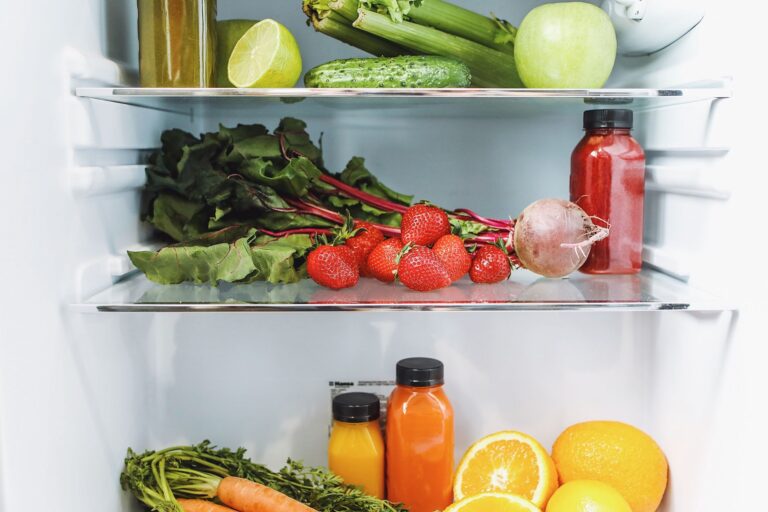
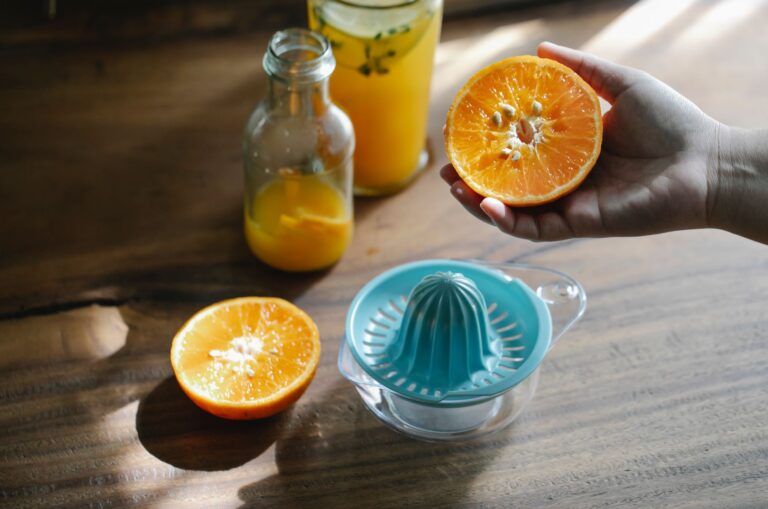
A juice squeezed in the morning is meant for prompt drinking, whereas a shelf-ready bottle is formulated for storage, transport, and consistent flavor. Fresh-squeezed orange juice can smell brighter, yet an 8-ounce serving of either option can carry a similar sugar load. Processing, ingredients, storage, and portion size shape your choice.
You can use this comparison to sort fresh-squeezed, cold-pressed, concentrated, and shelf-stable options for home breakfasts, grocery trips, and packed lunches.
Fresh, Packaged, and Cold-Pressed Juice Fit Separate Categories
Juice reaches your glass through different routes. Fresh-squeezed juice comes from produce at home or a juice bar and is meant for prompt drinking. Packaged juice travels through filling, sealing, shipping, and storage before it reaches your refrigerator or pantry.
Your starting point is the product category, not the fruit image on the carton. A package marked 100% fruit juice differs from a juice drink, while a refrigerated cold-pressed bottle remains packaged juice despite its fresher-style positioning.
| Type | What it means | What it means for your choice |
|---|---|---|
| Fresh-squeezed juice | Juice extracted at home or at a juice bar for prompt use. | You control the produce and ingredients, but storage time is short. |
| Shelf-stable 100% juice | Sealed juice processed for room-temperature storage before opening. | You get a longer unopened shelf life and steady availability. |
| Refrigerated 100% juice | Packaged juice kept chilled during distribution and display. | Your carton needs refrigeration, yet it still goes through packaging and processing. |
| Juice from concentrate | Juice with water removed, shipped in a smaller volume, then mixed with water again. | The process alone does not show whether nutrition is poor. |
| Cold-pressed juice | Juice extracted with pressure, then bottled, sometimes with high-pressure processing. | You may prefer its flavor, though it is not the same as juice made moments ago. |
| Juice drink or cocktail | A beverage containing juice plus water, sweeteners, or other ingredients. | Your ingredient list matters more than the fruit pictured on the package. |
A homemade orange juice made from four oranges and a refrigerated orange juice bottle can both contain only fruit juice. The packaged version passes through more handling steps so it stays stable through distribution. That added handling leads directly to the preservation methods behind its longer storage window.
Processing Extends Shelf Life and Lowers Microbial Risk
Heat and pressure lower the number of microbes that could grow in juice. That makes sealed packaged products more dependable during transport and storage than unpasteurized juice made on your kitchen counter.
Fresh juice vs store-bought juice differs sharply at this point because raw juice has no preservation step after extraction. You need clean produce, clean equipment, prompt refrigeration, and a short drinking window to limit food-safety concerns.
Pasteurization Uses Controlled Heat
Pasteurization heats juice for a set time and temperature to reduce harmful bacteria, yeasts, and molds. A warning label is required for packaged unpasteurized juices that have not received a treatment that reduces harmful microorganisms under FDA rules.
You trade some just-squeezed aroma for a sealed product that can remain unopened far longer. Heat can affect delicate compounds such as vitamin C, though the final amount also depends on fruit variety, oxygen exposure, package material, light, and storage temperature.
High-Pressure Processing Uses Pressure Instead of Conventional Heat
Inside a sealed bottle, intense water pressure lowers microbial activity without relying on conventional heat treatment. Cold-pressed juice brands use HPP because it can keep a taste closer to raw juice while extending chilled shelf life.
Pressure processing does not make a bottled drink identical to juice squeezed seconds earlier. Your bottle has still been extracted, filled, sealed, transported, and stored, and each step can alter flavor and heat-sensitive nutrients over time.
Concentrate Changes Shipping Volume Rather Than the Entire Nutrition Picture
Concentrate production removes water from juice before shipping, which reduces volume and freight weight. Water is added back before bottling, and manufacturers can restore flavor compounds lost during concentration.
Is juice from concentrate healthy depends on the full product, not the concentration method alone. Check the ingredient list, Nutrition Facts label, serving size, and whether the package contains 100% fruit juice rather than a sweetened beverage.
Nutrition Depends on Fruit, Fiber, Sugar, and Storage Time
Flavor tells only part of the nutrition story. A just-made grapefruit juice can carry a sharp citrus scent because volatile aroma compounds have had little time to fade, but aroma does not reveal sugar, fiber, or nutrient content.
Your homemade juice vs packaged juice comparison needs more than a freshness claim. Fruit type, juicing method, pulp level, package exposure to light, and the time between production and drinking all affect what reaches your glass.
Vitamin C Changes With Heat, Air, Light, and Time
Fresh juice can begin with brighter aroma and some heat-sensitive nutrients intact, including vitamin C. An orange, a juicer, a clear bottle near a sunny window, and seven days in a refrigerator create very different conditions for nutrient retention.
Your homemade juice can lose vitamin C during storage, especially after exposure to air, warmth, and light. Packaged juice can still contribute vitamin C, potassium, and plant compounds, particularly when you drink it well before its printed date.
Natural Sugar Still Adds Up Quickly
An 8-ounce serving of orange juice contains roughly 20 to 25 grams of naturally occurring sugars, depending on the fruit and product. Fresh-squeezed juice is not automatically lower in sugar because several oranges are easy to drink in minutes.
Portion size changes the result more than the word fresh. Pouring 12 ounces at breakfast can bring more calories and sugar than the label’s 8-ounce serving, whether your juice comes from a Hurom juicer or a carton.
Whole Produce Retains More Dietary Fiber
Juicing separates much of the pulp and dietary fiber from fruit and vegetables. Pulpier juice retains some material, but it does not work like eating an intact orange, apple, carrot, or grapefruit.
Whole fruit slows eating and adds bulk to your meal. That gives you more fullness from the same produce, while juice works better as a modest beverage than as a replacement for a fruit serving.
Added Sugars Separate 100% Juice From Juice Drinks
The fiber gap makes the ingredient list more useful. A package labeled 100% juice contains no added sugars, though naturally occurring sugars can still be substantial in a small bottle.
Your label may use cocktail, punch, beverage, drink, or ade instead of 100% juice. Those products can contain water, sugar, corn syrup, nonnutritive sweeteners, flavorings, and a smaller share of juice.
Sweetened juice drinks are the least favorable choice for routine drinking because they can add sugar without giving you fruit content in proportion to that sweetness.
Cranberry offers a clear example. Unsweetened cranberry juice is intensely tart, so cranberry cocktails commonly contain sweeteners to soften that taste. A carton with a familiar name, including Minute Maid, still deserves the same ingredient and Nutrition Facts label check.
The phrase “no added sugar” is useful but incomplete. Your decision still rests on serving size, total sugars, calories, and the role juice plays in your meals that day.
Flavor, Pulp, and Shelf Life Shape Daily Use
Aroma fades faster than a printed date. Fresh-squeezed juice can taste lively because peel oils and volatile fruit compounds remain present, while packaged juice is made for a steadier flavor across batches and seasons.
Cold-pressed juice vs regular juice also comes down to processing and storage rather than flavor alone. A cold-pressed bottle can taste closer to raw juice, but it still has a refrigerated date and handling instructions that you need to follow.
Fresh Juice Has a Short Refrigerated Window
Pour fresh juice into a clean, covered container and refrigerate it right away. For quality and safety, drink homemade unpasteurized juice within 24 to 48 hours rather than holding it through a workweek.
Refrigerated cold-pressed bottles have limited chilled dates because they remain perishable after processing. Shelf-stable cartons last much longer unopened, though refrigeration starts once you open them.
Pulp Alters Texture More Than the Main Trade-Off
Pulp can make orange juice feel thicker and can leave some fiber in your glass. It does not restore the chewing, water content, and intact plant structure that make whole fruit more filling.
Your preference still matters. Fresh juice can fit a weekend breakfast, while a shelf-stable carton can suit an office kitchen where washing oranges and cleaning a juicer is unrealistic.
Convenience does not eliminate safety differences, especially when a product has not been pasteurized.
Unpasteurized Juice Needs Careful Food-Safety Habits
Short storage is not only a flavor concern. Bacteria from soil, produce skins, hands, cutting boards, or a poorly cleaned juicer can enter raw juice, where no pasteurization step lowers them.
Clean equipment matters because pulp can lodge around screens, blades, and spouts. Refrigeration slows microbial growth, but it cannot correct juice left warm in a car, on a counter, or in a lunch bag.
- Wash produce well. Rinse firm fruit and vegetables under running water before cutting, even with peels you plan to remove.
- Scrub equipment promptly. Wash juicer parts, knives, and cutting boards soon after use so sticky residue does not dry in place.
- Chill without delay. Put extra juice in a covered container in the refrigerator as soon as you finish making it.
- Discard mishandled juice. Throw out juice left at room temperature for more than 2 hours, or more than 1 hour above 90 degrees Fahrenheit.
- Choose pasteurized juice. Select pasteurized options for young children, pregnant people, older adults, and anyone with a weakened immune system.
Your safer route for a higher-risk household is pasteurized juice. Raw juice can look and smell normal despite contamination, so appearance cannot confirm that your drink is safe.
Because contamination is invisible, package details become the most reliable information available before purchase.
A Label Check Identifies a Stronger Packaged Option
Once sugar and safety are clear, the package gives you a practical sorting method that takes less than a minute. Front-label claims draw attention, but the product name, ingredient list, and Nutrition Facts label carry the useful details.
- Read the product name. Look for “100% juice” or a percent-juice statement before relying on fruit photos or words such as natural.
- Scan ingredients closely. Choose a short list centered on fruit juice, and watch for added sugars, syrups, or sweeteners.
- Check serving size. Use the listed ounces before judging calories and total sugars in the container you plan to drink.
- Compare total sugars. A 100% juice can still contain 20 grams or more of natural sugar in one 8-ounce serving.
- Check storage directions. Refrigerated and shelf-stable products need different handling after opening, even with similar ingredients.
Not from concentrate describes manufacturing rather than a full nutrition grade. Cold-pressed describes extraction, while no added sugar addresses one ingredient issue. Your Nutrition Facts label fills in the rest.
How to choose healthy store-bought juice starts with unsweetened 100% fruit juice or vegetable juice and a portion that fits your meal. Vegetable blends deserve the same scrutiny because fruit juice can soften bitterness and raise total sugars.
Your Best Fit Depends on Portion, Routine, and Goal
Convenience does not erase nutrition, and freshness does not erase sugar. Fresh juice can fit an occasional meal where you value ingredient control, keep equipment clean, and plan to drink it shortly after making it.
Your weekday option can be unsweetened 100% packaged juice because it needs no prep or produce waste. Keep your serving modest, around 4 to 8 ounces, and pair it with food instead of using it in place of whole fruit.
For fresh juice vs store-bought juice, whole fruit remains stronger for daily dietary fiber and fullness. Choose unsweetened 100% juice when juice is what you want, skip sweetened drinks, and treat cold-pressed wording as one product detail rather than a health verdict.
Bottom Line
The strongest choice is not tied to a juicer, bottle, or marketing phrase. Your daily pattern matters more: eat whole produce most days, pour juice in modest amounts, read the ingredient label, and choose pasteurized juice where food-safety risk calls for extra care.
FAQ
What is the difference between fresh juice and store-bought juice?
Juice squeezed for same-day drinking differs from packaged varieties designed for transport and storage. Your fresh juice needs short-term refrigeration, while packaged juice uses pasteurization, HPP, or shelf-stable processing to extend shelf life.
Is fresh squeezed juice healthier than store-bought juice?
Fresh-squeezed juice can taste brighter and can begin with more fresh aroma and some sensitive nutrients. Store-bought 100% juice can still fit your diet, especially where your alternative is skipping fruit entirely. Both choices contain natural sugars and much less dietary fiber than whole fruit.
Does pasteurization remove nutrients from juice?
Pasteurization can reduce some heat-sensitive nutrients and alter fresh aroma, but the size of the change depends on fruit, heat exposure, packaging, light, and storage time. Pasteurized juice still supplies nutrients such as vitamin C and potassium while offering a longer unopened shelf life.
What is the difference between 100% juice, juice from concentrate, juice cocktails, and juice drinks?
100% juice contains juice without added sugars. Juice from concentrate has water removed and added back later. Cocktails and juice drinks can contain water, sweeteners, flavorings, and less juice, so your ingredient list shows the meaningful difference.
Do fresh and packaged juices contain the same amount of sugar?
Fresh and packaged orange juices can carry similar natural sugar amounts in equal portions. An 8-ounce serving contains roughly 20 to 25 grams of sugar, though your actual amount varies with the fruit, blend, and portion poured.
How long does fresh juice last compared with store-bought juice?
Your homemade unpasteurized juice is best consumed within 24 to 48 hours after prompt refrigeration in a clean, covered container. Refrigerated packaged juice lasts through its printed chilled date unopened, while shelf-stable cartons last longer before opening.