Soft fruit tissue remains after squeezing or extraction, adding body and small amounts of nutrients to the drink. It makes juice thicker, cloudier, and more substantial in your mouth, yet it rarely makes juice nutritionally comparable to whole fruit because most servings still contain only 0 to 2 grams of dietary fiber.
You’ll find the practical differences in texture, orange juice labels, juice processing, digestion, and the choice between smooth juice, pulpy juice, and whole fruit.
Soft Fruit Tissue Creates the Pulp You See
Cloudy material near the bottom of an orange juice bottle comes from the fruit itself. Pulp includes fragments of juice sacs, membranes, cell walls, and juice-bearing tissue left after squeezing or mechanical extraction.
Your drink may hold pulp that survived extraction, or it may contain pulp added back after commercial processing. Fresh-squeezed juice holds irregular bits of fruit tissue, while packaged juice may be filtered, clarified, pasteurized, and blended with a measured amount of pulp for a consistent pour.
Pectin Gives Juice a Softer Body
Pectin is a soluble fiber found in fruit cell walls. It holds water in a loose network, giving orange juice a soft, lightly gel-like body rather than the thin feel of clarified juice.
You sense pectin as silkiness rather than crunch. It also helps suspended material stay dispersed for a while, although gravity pulls heavier fragments downward during storage.
Cell Walls Add Physical Texture
Cellulose, hemicellulose, and related plant-wall materials add bulk to the liquid. These materials include insoluble fiber, which does not dissolve and can leave a faintly textured or grainy feeling on your tongue.
Fruit pulp does not have one fixed nutrition profile. Orange segments, grapefruit membranes, apple flesh, and carrot fiber bring different particle sizes, flavors, and levels of soluble fiber and insoluble fiber.
That mix of dissolved pectin and visible plant fragments explains why two juices from the same fruit can feel far apart in your mouth. The particles alter cloudiness and mouthfeel before they shift the nutrition panel.
Suspended Particles Change Cloudiness and Mouthfeel
A clear juice pours quickly and coats your mouth lightly. A cloudy juice moves with more drag because suspended particles interrupt liquid flow and raise viscosity, or resistance to movement.
Your sense of thickness starts before swallowing. Tiny fruit pieces scatter light, creating cloudiness, while pectin holds water around them. Together, those traits give pulpy juice a fuller mouthfeel than a fully strained version.
Particle Size Changes the Drinking Experience
Fine particles feel smooth and almost creamy. Larger membrane fragments can catch against your tongue and create the uneven feeling that leads some people to avoid orange juice with pulp.
Texture also changes flavor release. A thicker drink can seem less sharply acidic because it spreads across your tongue more slowly, while larger fragments can bring a mild bitter edge from membranes or peel-adjacent tissue.
- Fine pulp particles create haze and soft body with little grit in your mouth.
- Medium fruit fragments make juice feel thicker and closer to freshly squeezed juice.
- Large membrane pieces add chewiness and can leave a slightly bitter finish.
- Filtered juice feels lighter because fewer solids remain suspended in the liquid.
Settling Comes From Gravity
Gravity separates solids from liquid during storage. Heavier fragments sink, lighter particles stay dispersed longer, and a bottle can form a clear layer above a denser layer of fruit material.
Shake a pulpy carton before pouring, and you redistribute settled solids through the liquid. That step restores a more even texture, but it does not add fiber or alter sugar content in your serving.
Visible settling does not mean juice has spoiled. A sour smell, swelling package, fizzing, or mold calls for disposal, while an ordinary pulp layer calls for a gentle shake.
Because texture depends on particle size and dispersion, juice processing shapes what reaches your glass. A home juicer, hand reamer, and shelf-stable carton leave very different amounts of fruit structure behind.
Juice Processing Controls How Much Pulp Remains
A hand-squeezed orange retains some broken juice sacs, while a fine-mesh strainer removes much of that material in seconds. The route from fruit to glass controls both the amount and form of pulp that remains.
Home Juicing Leaves Variable Amounts Behind
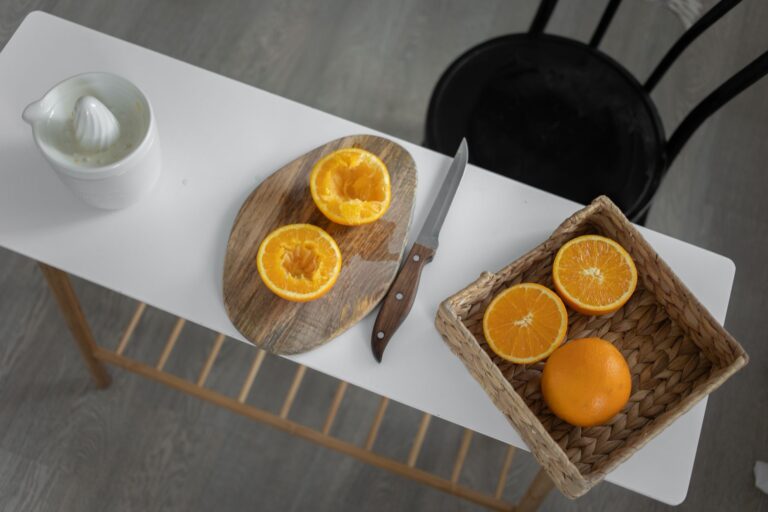
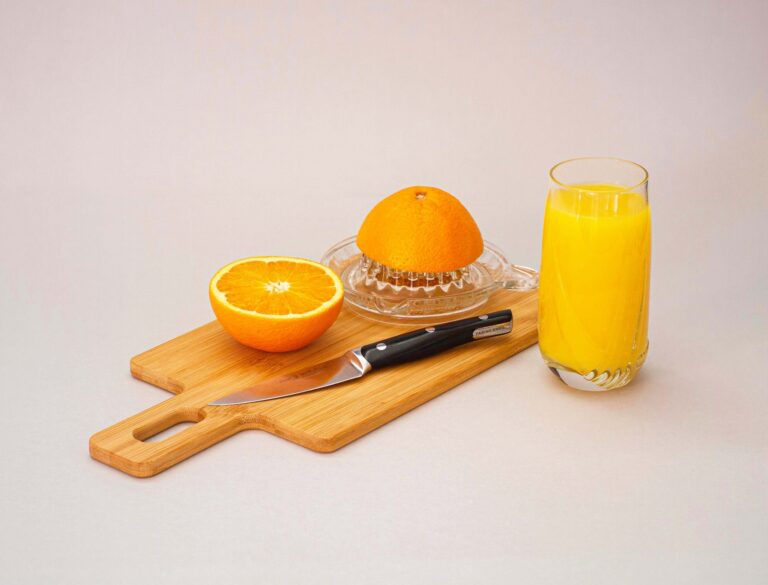
You control texture more directly at home. A citrus reamer leaves soft sacs in the liquid, a blender breaks fruit into very small pieces, and a centrifugal juicer separates juice from a dry pile of leftover fiber.
Slow juicers, including models from Hurom and Nama, can leave wetter pulp than fast centrifugal machines. That leftover material still contains edible plant tissue, though the liquid portion has already lost much of the fruit’s original structure.
- Wash the fruit so dirt and surface residue stay out of your drink and leftover pulp.
- Extract the juice with a reamer, press, blender, or juicer that suits your preferred texture.
- Strain selectively through a coarse sieve for body or a fine sieve for a smoother pour.
- Use leftover pulp in oatmeal, soup, muffins, or compost rather than treating it as waste.
Commercial Production Uses Measured Pulp Levels
Packaged orange juice can move through extraction, screening, deaeration, pasteurization, storage, blending, and filling. Clarification removes suspended solids for a bright appearance, while pulp restoration adds selected fruit particles later.
Your high-pulp carton can contain real orange material, yet that label does not mean the drink has the same fiber amount or tissue structure as a peeled orange. Commercial pulp is measured for a repeatable pour, not rebuilt into intact fruit.
Fresh-squeezed, not-from-concentrate, concentrate-based, and shelf-stable juices also differ in oxygen exposure and heat history. Those steps matter more for some vitamins than visible pulp does.
Chewing whole fruit changes the experience further. Intact cells, membranes, and water take time to break apart, so your stomach receives a larger volume and a larger share of the fruit’s fiber.
Because processing strips away much of that structure, pulp can only partly close juice’s gap with whole fruit.
Pulp Adds Some Fiber but Leaves a Modest Nutrition Gap
An 8-ounce glass can look dense with orange fragments yet still list only 1 gram of dietary fiber. That gap can surprise you because visible pulp gives a strong impression of eating the fruit itself.
Your label can vary with brand, fruit blend, fortification, and serving size. The ranges below reflect common 8-fluid-ounce orange juice label patterns, while a medium whole orange supplies about 3 grams of fiber with fewer fluid calories.
| 8-fluid-ounce choice | Calories and carbohydrate | Total sugar and fiber | Vitamin C |
|---|---|---|---|
| No-pulp orange juice | 110 calories, 26 g carbohydrate | 21-24 g sugar, 0 g fiber | 60-90 mg |
| Some-pulp orange juice | 110 calories, 26 g carbohydrate | 21-24 g sugar, 0-1 g fiber | 60-90 mg |
| High-pulp orange juice | 110 calories, 26 g carbohydrate | 21-24 g sugar, 1-2 g fiber | 60-90 mg |
| Medium whole orange | About 60 calories, 15 g carbohydrate | About 12 g sugar, 3 g fiber | About 70 mg |
Soluble and Insoluble Fiber Work Differently
Pectin contributes soluble fiber, which mixes with water and can modestly slow stomach emptying. Cell-wall material contributes insoluble fiber, which adds bulk and passes through your digestive tract with less change.
Yes, although scale matters. A small amount of added fruit tissue can raise the fiber line from zero to 1 gram, while a whole orange retains membranes, segment walls, and flesh that juicing removes or leaves behind.
High Pulp Does Not Signal a Major Health Shift
Juice with pulp vs no pulp nutrition comes down mainly to a small fiber difference, not a dramatic calorie or vitamin shift. High-pulp juice contains more fiber, yet it is not automatically a substantially healthier drink.
Your serving size still matters more than the pulp claim. Two 8-ounce glasses can deliver 40 grams or more of naturally occurring sugar before breakfast, even with visible fruit particles in both servings.
A high-pulp label describes texture, not a nutrition grade. Check grams of fiber per serving before assuming your carton delivers the fiber found in whole fruit.
Fiber can affect how your body handles sugar, but the amount in juice remains limited. That distinction separates a modest digestion effect from claims that pulp changes every nutrient in the glass.
Sugar, Vitamin C, and Flavonoids Do Not Rise With Pulp
Two orange juices with similar ingredient lists can carry nearly identical sugar and calorie counts despite very different textures. Pulp does not remove the glucose, fructose, and sucrose released from fruit during extraction.
Your body can absorb liquid carbohydrate faster than carbohydrate locked inside chewed fruit. Added fiber and greater thickness can slow that process a little, yet juice still places readily available sugar into your digestive system with little chewing.
Blood Glucose Still Responds to Juice
Liquid calories do not create the same fullness signals as a whole orange for many adults. A pulpy drink can feel heavier, but 1 or 2 grams of fiber does not recreate the slower eating pace of intact segments.
People monitoring blood glucose can pair a small juice serving with eggs, yogurt, nuts, or another food containing protein and fat. Your glucose plan, medication needs, and clinician guidance take priority over a pulp label.
Vitamin C Reflects Handling More Than Texture
Vitamin C reacts with oxygen, light, storage time, and heat. Fruit variety, pasteurization conditions, time after opening, and added vitamin C can shift the label far more than a few spoonfuls of suspended orange material.
You can see that difference on store shelves: two similar pulp levels may list very different vitamin C values. Fortified juice can contain added ascorbic acid, while fresh juice can lose vitamin C during extended exposure to air.
Flavonoid Content Has No Simple Pulp Rule
Orange flavanones, including hesperidin and narirutin, are plant compounds studied for antioxidant capacity and gut bacteria metabolism. Their amount depends on fruit variety, peel contact, processing route, and retained solids.
Visible pulp does not always bring a matching flavonoid increase. Research available through PubMed Central found that added orange pulp in store-bought juice did not reliably produce a large flavonoid advantage.
That finding keeps the focus on the label. Fiber is the clearest nutrition difference, and even that difference needs a check of grams, serving size, and sugar load.
The Nutrition Facts Panel Separates Fiber From Marketing
A carton marked “lots of pulp” can still list zero dietary fiber per serving. The Nutrition Facts panel gives you a clearer answer than a front-label photo of oranges or a claim about natural texture.
Start with products in the same category, such as two 100 percent orange juices. Comparing a juice blend with orange juice can mislead you because apple, grape, pear, and added ingredients shift the numbers.
- Check serving size because 8 ounces and 12 ounces can make similar cartons look falsely different.
- Read dietary fiber and choose more grams when fiber is your goal.
- Scan added sugars because 100 percent juice has none, while juice drinks can contain sweeteners.
- Review total sugars so you see the full carbohydrate load from naturally occurring fruit sugars.
- Check vitamin C because fortification can explain a higher number without extra fruit tissue.
- Read ingredients for juice concentrate, fruit puree, added flavors, or sweeteners that alter the product.
Natural Sugar Still Counts
“No added sugar” means the maker did not add sugar during production. It does not mean your serving has little sugar, because squeezing several oranges concentrates naturally occurring sugars into a drink you can finish quickly.
Your breakfast can include juice without making it a health shortcut. Pouring 4 to 6 ounces beside a meal gives you flavor and vitamin C while keeping the liquid carbohydrate portion smaller.
Fiber Claims Need a Gram Amount
Terms such as high pulp, extra pulp, and natural describe sensory traits unless the fiber line changes. Look for a meaningful difference in grams rather than assuming cloudy juice supplies enough fiber for constipation relief or daily digestive goals.
Adults need far more fiber across a day than a pulpy glass supplies. Beans, lentils, berries, oats, vegetables, and whole fruit make a larger contribution because you eat the plant structure rather than discard it.
Once the label narrows your choices, comfort and purpose finish the decision. Texture matters only when you can drink and tolerate the option you choose.
Taste and Digestion Shape the Right Pulp Level
Visible fragments can make a drink feel fresh to you, or they can make each sip feel uneven and unpleasant. Dislike of pulp is a texture preference, not evidence that juice is unsafe or nutritionally inferior.
Your preference can come from floating particles, settling at the bottom, mild membrane bitterness, a thicker swallow, or the surprise of a soft piece against your tongue. Pulp-free juice offers a uniform texture that some mouths handle more comfortably.
Leftover Juicing Pulp Can Be Edible
Clean, edible produce leaves behind pulp that you can eat. Carrot, apple, beet, citrus, and celery remnants fit into soups, baked goods, sauces, or blended smoothies, although their dry, fibrous texture can feel intense.
Use produce washed before juicing, refrigerate leftover material promptly, and discard it after spoilage signs appear. Citrus peel and seeds can add bitterness, while large amounts of raw fibrous pulp can cause gas, bloating, or loose stools in sensitive digestion.
Lower Pulp Can Suit Specific Needs
Swallowing difficulty, sensory aversion, recent digestive upset, and medically restricted diets can make smooth juice easier to manage. Your clinician or speech-language pathologist can set texture guidance for dysphagia or a prescribed low-fiber eating plan.
For an ordinary preference, choose the texture that makes your serving pleasant rather than forcing high pulp for a minor fiber gain. A disliked carton tends to sit unused, and whole fruit remains available for the fiber juice cannot fully supply.
Persistent trouble swallowing, coughing during drinks, pain, or unexplained weight loss needs clinical attention. Do not use pulpy juice as a texture exercise without individualized guidance.
The same practical choice applies to everyday fullness. Drinking fruit and eating fruit are related, but chewing changes portion pace and the amount of intact material that reaches your stomach.
Whole Fruit Offers More Fiber and Fullness
A peeled orange asks you to pause, chew, and handle membranes that juice leaves behind. That physical work slows intake and preserves more dietary fiber than high-pulp or no-pulp orange juice.
Your stomach also receives more food volume relative to calories from whole fruit. A medium orange has roughly 60 calories and about 3 grams of fiber, while an 8-ounce juice serving contains close to twice the calories with little or no chewing.
Common Choices Have Clear Tradeoffs
Pulp-free juice suits a smooth, quick drink or a temporary need for less texture. Pulpy juice suits your preference for fuller mouthfeel and a small fiber edge. Whole fruit suits your priority for fullness, intact fiber, and slower intake.
Orange juice with pulp benefits your diet most as a modest step above a fiber-free version, not as a replacement for fruit. That distinction keeps cloudiness from looking like proof of a major nutrition upgrade.
Measured Portions Keep Juice in Context
Pour juice into a measured glass rather than drinking from a large bottle. Your eyes can register an 8-ounce serving more clearly, and you can decide whether that amount fits the meal in front of you.
Pair juice with food rather than relying on it for hunger relief alone. Whole-grain toast, eggs, yogurt, or a bowl of fruit can make the meal more satisfying while reducing the urge to pour another glass.
Pulp in juice changes the feel of the drink more reliably than its place in your diet. Treat it as a texture choice with a small fiber benefit, then rely on whole fruit for the fiber and fullness your routine needs most.
What to Remember
Choose pulp based on the drinking experience you enjoy, then verify fiber and sugar on the label. Your clearest nutrition rule is simple: high-pulp juice can offer a little more fiber than smooth juice, but whole fruit delivers more fullness, chewing, and intact plant material.
FAQ
Are juices with pulp healthier?
A label listing 1 or 2 grams of fiber per serving often signals more dietary fiber than a pulp-free version. Your calorie and sugar intake will still stay close to a similar smooth juice, so pulp adds a modest advantage rather than turning juice into whole fruit.
Which is healthier, high-pulp or no-pulp juice?
High-pulp juice is the stronger choice for your fiber intake where two products have similar serving sizes and ingredients. No-pulp juice can still fit your diet where you prefer a smooth drink, have texture sensitivity, or need a lower-fiber option for a clinician-directed eating plan.
Why do people not like orange juice with pulp?
Orange juice with pulp can feel gritty, uneven, thick, or mildly bitter because membranes and cell-wall fragments remain in the liquid. Your dislike does not signal a health problem. It reflects how your mouth responds to suspended particles, settling, and changes in flavor release.
Is it healthy to eat the pulp from juicing?
Eating juicing pulp from clean, edible produce is fine for many people and returns some fiber that extracted liquid lost. Your tolerance matters because a large amount of dry raw pulp can cause bloating, gas, or loose stools, especially with sensitive digestion.
Does orange juice with pulp have more fiber?
An 8-ounce serving may list only 1 or 2 more grams of fiber than a no-pulp version. Your whole orange still supplies more intact fiber, close to 3 grams, with greater fullness from chewing.