After the pulp is stripped away, fruit sugars can reach the bloodstream more quickly through juice. You drink several fruits in minutes, so less dietary fiber, faster intake, and a larger portion size can raise blood glucose more sharply despite no added sugars.
Below, you’ll see how food structure, serving size, meal timing, and diabetes medication shape your response to fresh juice and 100% fruit juice.
Juicing Changes Food Structure Rather Than Fruit Sugar
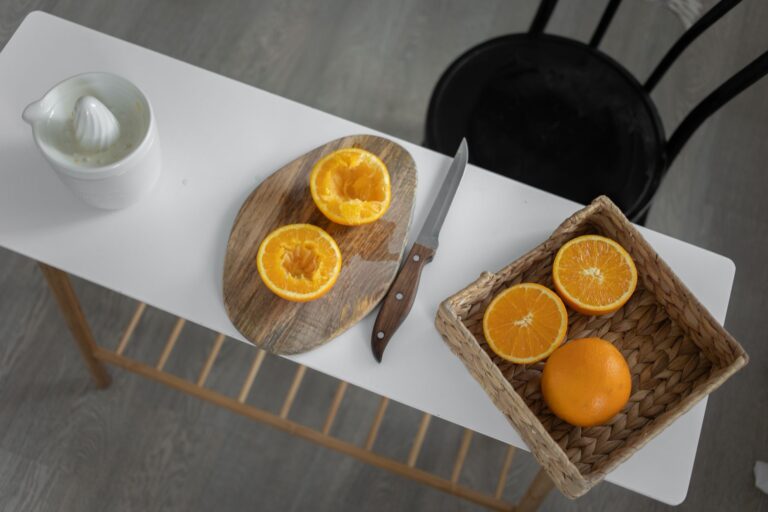
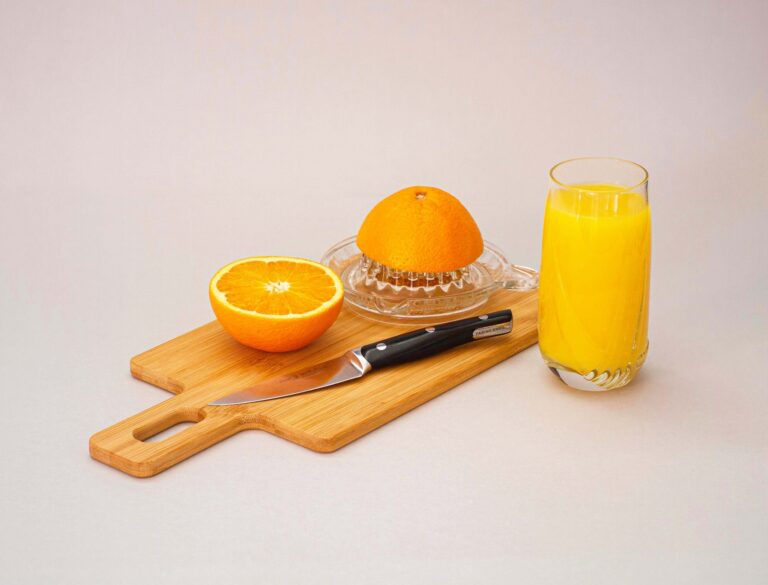
An orange contains fructose, glucose, and sucrose before it enters your juicer. Extraction does not turn those natural sugars into added sugars. Instead, it separates liquid from much of the pulp, changing the food matrix that slows eating and digestion.
Your glass still supplies vitamin C, potassium, folate, and plant compounds from produce. Yet those nutrients arrive without the chewing, bulk, and dietary fiber found in whole fruit and vegetables. That shift changes how quickly your body receives carbohydrate from the same ingredients.
Natural Sugars and Added Sugars Have Different Sources
Unsweetened 100% fruit juice contains sugars from fruit. Juice drinks, cocktails, punches, and shelf-stable blends can contain added sugars from syrups, cane sugar, or concentrates. Check the ingredient list instead of relying on the fruit image on the carton.
| Drink type | Where sweetness comes from | What it means for your intake |
|---|---|---|
| Fresh extracted juice | Produce in your recipe | Your carbohydrate amount depends on the fruits and vegetables placed in the juicer. |
| 100% fruit juice | Fruit sugars | Your portion still affects blood glucose despite containing no added sugars. |
| Juice drink or cocktail | Fruit sugars plus added sugars | Your glass can contain more carbohydrate than fruit juice alone. |
| Vegetable-forward juice | Mainly vegetables with limited fruit | Your drink contains less sugar than a fruit-heavy blend, though recipe choices still matter. |
Whole fruit takes longer to eat because you chew it, pause between bites, and consume its water inside a solid structure. Juice removes much of that natural pacing. The Dietary Guidelines for Americans places whole fruit ahead of juice for routine intake because intact produce brings fiber and greater fullness.
Fiber Loss Changes Digestion, Fullness, and Drinking Speed
Pulp caught in a juicer holds much of the dietary fiber that gives fruits and vegetables their chew, volume, and staying power. A 12-ounce glass may disappear in a few gulps, while two whole apples require bites, saliva, and time.
Fiber does not enter your bloodstream as sugar. Instead, it adds bulk in your stomach and slows the movement of food through digestion. Your fuller feeling can shape what you eat later in the day, not only the blood glucose reading after breakfast.
Extracted Juice Contains Less Fiber Than Intact Produce
Most juicers remove a large share of pulp, though cloudy juice and some masticating machines leave small particles behind. The finished drink still has far less fiber than the fruits and vegetables that entered your recipe. That is the direct answer to does juicing remove fiber: much of it leaves with the pulp.
Blenders work differently. A smoothie keeps skins, flesh, and pulp in the cup, so your body receives more of the original fiber. Drinking a smoothie remains faster than chewing fruit, but its thicker texture creates more resistance than strained juice.
Save pulp for recipes where its texture works, such as soup, oatmeal, or vegetable patties. Adding pulp back changes the drink, but it does not make a large fruit serving equal to whole fruit.
Chewing also sends sensory signals before food reaches your stomach. Your appetite has more time to register a plate of produce than a large glass of juice. That faster intake leads to the next concern: the shape of your glucose rise.
How quickly a drink is consumed affects exposure, yet absorption and glucose response are not interchangeable.
Absorption Speed and Blood Glucose Describe Different Steps
Four factors shape the number on your glucose meter: carbohydrate amount, digestion speed, sugar absorption, and insulin response. They move together, yet they are not the same event. Your meter reflects the combined effect of food, hormones, activity, sleep, and medication.
Your small intestine absorbs glucose and fructose after digestive enzymes break down available carbohydrates. Less fiber and a liquid texture reduce the work of eating, while a larger serving places more sugar into circulation. Insulin then helps move glucose from blood into cells.
Glycemic Index and Glycemic Load Answer Separate Questions
Glycemic index ranks how a fixed amount of carbohydrate affects blood glucose compared with a reference food. Glycemic load adds portion size, making it more useful for the amount in your actual glass. A modest serving of a higher-index food can have a lower load than a large serving.
Fruit choice also changes the result. Grapes, pineapple, mango, and apple juice deliver more available carbohydrate than cucumber, celery, lemon, parsley, or spinach. Your insulin sensitivity, sleep, activity, and meal composition add another layer of variation.
Meals Change the Shape of the Glucose Rise
Juice taken alone reaches your digestive tract without protein, fat, or solid food beside it. Drinking the same juice with eggs, tofu, Greek yogurt, beans, nuts, or a high-fiber meal can slow stomach emptying and soften the rise for some people.
No meal pairing removes the carbohydrate in juice. It changes the pace of your blood glucose response, while portion size still sets the upper limit. That distinction matters because one glass can hold more fruit than it appears to contain.
One Glass Can Hold Several Fruits’ Worth of Sugar
Three medium oranges can yield roughly 8 ounces of juice, yet eating three oranges takes longer and leaves far more bulk behind. The juice has not gained sugar during extraction. Your drinking pattern has made the same fruit sugars easier to consume at once.
An average medium orange contains about 12 grams of sugar, while a medium apple contains about 19 grams. Size and variety shift those figures, but the math shows why ingredient count matters more than the innocent-looking size of your glass.
| Example recipe | Fruit amount | Practical sugar implication |
|---|---|---|
| Orange juice | 3 medium oranges | About 36 grams of natural sugar can enter one 8-ounce serving. |
| Apple-carrot juice | 2 apples plus 4 carrots | Two apples alone contribute about 38 grams before carrot sugars enter the glass. |
| Pineapple-mango juice | 1 cup pineapple plus 1 cup mango | Two sweet fruits form a dense carbohydrate drink with little extracted fiber. |
| Green juice | Cucumber, celery, greens, lemon, half an apple | One small fruit portion keeps the sugar amount lower than a fruit-heavy blend. |
Liquid Volume Can Hide Ingredient Count
Your eyes register liquid volume, not the pile of produce on the counter. A 16-ounce bottle can hold juice from four apples, several handfuls of grapes, or a mango-pineapple mixture that would feel substantial on a plate.
Calories follow the same pattern. Liquid calories create less fullness for many people than solid-food calories, so juice can sit beside a meal rather than replace it. Juicing vs whole fruit for blood sugar is also a question about appetite and portion size.
Count sweet ingredients before juicing. Two dates, a large beet, several carrots, and a fruit-heavy mixture can add substantial carbohydrate even without white sugar or packaged ingredients.
Those totals also depend on whether ingredients remain intact, blended, or diluted into a beverage.
Whole Fruit, Smoothies, Juice, and Juice Drinks Work Differently
Texture changes your experience from the first bite or sip. Whole fruit requires chewing, smoothies retain blended pulp, extracted juice removes much of that pulp, and juice drinks can add sweeteners without adding food structure.
| Form | Fiber and fullness | Added sugar risk | Blood glucose pattern |
|---|---|---|---|
| Whole fruit | Highest fiber and strongest chewing effect | None in plain fruit | Your rise tends to be slower and easier to portion. |
| Blended smoothie | More fiber remains, though drinking stays fast | None unless sweeteners enter your recipe | Your response depends on fruit amount and added protein or fat. |
| Fresh extracted juice | Low fiber and limited fullness | None in plain produce juice | Your glucose can rise quickly with fruit-heavy servings. |
| Bottled 100% fruit juice | Low fiber | No added sugar by definition | Your carbohydrate amount resembles fresh fruit juice at the same volume. |
| Juice drink | Low fiber | Higher, depending on the label | Your rise can be sharper because extra sugars raise the carbohydrate amount. |
Smoothies Keep More of the Original Food
Juicing vs smoothies comes down to extraction versus blending. A blender cuts whole ingredients into tiny particles but leaves much of the fiber in your cup. A juicer separates liquid from fibrous material.
Your smoothie size still matters. A 24-ounce smoothie made with banana, mango, fruit juice, honey, and nut butter can carry more calories and sugar than your appetite expects. Whole fruit remains the stronger everyday choice for fullness.
Natural Sugar Still Counts as Carbohydrate
Natural sugars are not morally bad, but they still raise blood glucose. Your body responds to available carbohydrate, not to a health halo on a label. A fruit-derived source does not erase the need to watch portion size.
Carbohydrate amount and serving size guide glucose decisions more reliably than “good” or “bad” labels. That approach aligns with guidance from Mayo Clinic and the American Diabetes Association. Your daily pattern comes down to dose, speed, frequency, and what shares the meal.
Recipe Choices Lower the Glucose Load Without Removing It
A cucumber-celery-green juice behaves differently from a mango-pineapple-orange blend because the ingredient list sets the carbohydrate amount. Vegetable-forward juice starts with watery vegetables and adds fruit for flavor rather than building the glass around sweetness.
Your goal is not a juice with zero blood glucose effect. No juice offers that promise. The practical target is a smaller carbohydrate load without turning four fruits into a drinkable snack.
Vegetables Should Carry the Recipe
- Cucumber base: Use cucumber for volume and mild flavor without turning your glass into a fruit serving.
- Celery stalks: Add celery for a salty edge and modest carbohydrate in a vegetable-forward juice.
- Leafy greens: Spinach, kale, romaine, and parsley add plant compounds with little natural sugar.
- Lemon brightness: Add lemon juice for sharp flavor, allowing less apple, pineapple, or grape.
- Small fruit cap: Keep fruit to half an apple, one small kiwi, or a few berries.
- No sweet extras: Leave out honey, agave, maple syrup, dates, and sweetened yogurt drinks.
The 80/20 rule offers a useful visual target: about four parts non-starchy vegetables to one part fruit. It is not a medical formula, yet it keeps fruit from quietly becoming the bulk of your recipe. That pattern fits the goal behind best low-sugar juices for diabetes without claiming a single recipe suits every body.
Food Beside Juice Changes the Response
Drink a small juice with breakfast or lunch rather than on an empty stomach. Protein from eggs, cottage cheese, fish, tempeh, or beans, plus fat from avocado or nuts, slows stomach emptying and adds fullness.
For a personal glucose check, keep the recipe and ounce amount identical on separate days. Pair it with a balanced meal once, then record how your meter responds under the plan set by your care team.
That simple comparison shows how juicing affects sugar absorption in your own body more clearly than a universal claim. Your meter reflects medication, sleep, activity, stress, and insulin function alongside the drink.
Portion and Timing Make Juice a Deliberate Choice
An 8-ounce glass is a more realistic starting point than a large tumbler filled to the rim. Juice works better as a measured beverage than as a stand-in for every serving of produce in your day.
Your routine should center on whole fruits and vegetables because they bring fiber, chewing, and greater satisfaction. A juice can fit around that foundation, but a daily fruit-heavy glass can crowd out solid produce without making hunger disappear.
A Practical Juice Checklist
- Small glass: Pour 4 to 8 ounces instead of filling a 16-ounce bottle for one sitting.
- Fruit count: Set each apple, orange, grape cluster, and mango piece on the counter before extraction.
- Vegetable majority: Make cucumber, celery, greens, herbs, and lemon the bulk of your drink.
- Label check: Choose unsweetened 100% juice rather than drinks containing syrups or added sugars.
- Meal pairing: Drink juice beside food containing protein, fat, and fiber rather than alone.
- Solid produce: Keep whole fruit visible for snacks and add vegetables to your meals.
Frequent juicing has downsides beyond glucose. Your fiber intake can fall, calorie intake can rise without much fullness, and a cleansing routine can displace meals your body needs. A juice cleanse does not remove substances from your body that your liver and kidneys already handle.
Timing affects appetite too. A sweet juice before a long commute, workout, or meeting can leave you hungry soon after, especially without food beside it. Treat the drink as a planned portion rather than a rescue from skipped meals.
For people whose medication can lower glucose, that planning must also account for treatment-related lows.
Diabetes and Glucose-Lowering Medication Call for Extra Care
Liquid carbohydrate can raise glucose quickly for people with type 2 diabetes, prediabetes, gestational diabetes, or impaired glucose regulation. A fruit-heavy glass deserves the same attention as any sweet beverage, even though its sugars came from produce.
Your response can differ sharply from another person’s response. Insulin resistance, pancreatic insulin production, medication timing, kidney disease, physical activity, and the rest of your meal all shape what appears on a glucose meter.
Medication Changes the Decision
Insulin, sulfonylureas, and other glucose-lowering medicines alter how your body handles food. Speak with your clinician or registered dietitian before making juice a regular habit, especially around insulin doses, low-glucose episodes, or a new eating plan.
Track the recipe, ounce amount, meal timing, and glucose result in a log your care team can review. Your record gives more useful detail than judging juice by color, freshness, or a label that says natural.
Whole Produce Fits Everyday Eating Better
Choose whole fruit and vegetables for everyday fiber and fullness. Use a smoothie selectively where blended texture suits your meal, and keep extracted juice vegetable-forward with a modest fruit portion.
For your next glass, count fruit before it enters the juicer, pour a measured serving, and drink it with food. That choice respects the nutrients in produce and the real effect liquid carbohydrates can have on your blood glucose.
Final Thoughts
Juicing does not manufacture sugar, but it changes how quickly and easily you consume it. Your strongest everyday pattern is whole produce, while juice works as a small, ingredient-aware drink rather than a replacement for meals or fiber.
Vegetable-heavy recipes, measured portions, and food beside the glass give you more control over glucose exposure. How juicing affects sugar absorption comes down to pulp loss, drinking speed, carbohydrate amount, and your own insulin response.
FAQ
Can juicing spike blood sugar?
Yes. Fruit-heavy juice can raise your blood glucose faster than the same fruit eaten whole because liquid carbohydrates are consumed quickly and contain less fiber. Your serving size, fruit choice, meal composition, insulin sensitivity, and medication all influence the size of that rise.
Does juicing remove the fiber that slows sugar absorption?
Most juicers remove much of the pulp, and that pulp contains a large share of produce fiber. Your extracted juice can retain tiny amounts of fiber, especially with cloudy juice, but it has far less than the intact fruits or vegetables used in your recipe.
Is sugar from 100% fruit juice bad for you?
A single glass of 100% fruit juice can provide vitamin C and potassium without any added sugar. Yet your body still absorbs its carbohydrates, so large or frequent servings can raise blood glucose and add calories without the fullness of whole fruit.
What juice does not spike blood sugar?
No juice can promise zero blood glucose effect because vegetables and fruits contain some carbohydrate. Your lower-sugar option is a small vegetable-forward juice with cucumber, celery, leafy greens, herbs, lemon, and only a limited amount of fruit for flavor.
Should people with diabetes drink fresh juice?
Fresh juice can fit some diabetes eating plans, but your portion and recipe need care because liquid carbohydrates can raise glucose rapidly. Discuss regular juicing with your clinician or registered dietitian, especially when you use insulin or other glucose-lowering medicine.
Are smoothies better than juice for blood sugar control?
Smoothies retain more dietary fiber because blending keeps the skins, flesh, and pulp in your cup. Your smoothie can still raise blood glucose quickly when it contains large amounts of fruit juice, honey, mango, banana, or other sweet ingredients.