

Cramming leafy greens into a daily routine gets easier when the right tool does the work. Veggie blenders have grown into a broad category, from full-size kitchen systems to small personal cups and handheld immersion wands, and the wrong shape quickly turns a healthy habit into a cleanup chore. The eight options below cover the most common ways home cooks handle produce: morning smoothies, blended soups, frozen drinks, sauces, and small-batch chopping. Each pick targets a specific use case, with trade-offs spelled out so the choice fits your counter, your habits, and the meals you actually make.
A Fast Comparison Of The Options

Ninja Compact Kitchen System AMZ493BRN

Vitamix 5-Speed Immersion Blender

Ninja Professional Plus Kitchen System BN801

nutribullet Ultra Personal Blender 1200W (Gray)

nutribullet Ultra Personal Blender 1200W
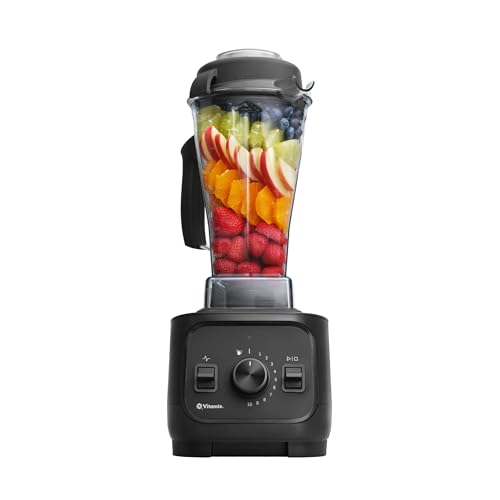
Vitamix VX1 Professional-Grade Blender

nutribullet Pro Personal Blender NB9-0901AK

Vitamix 48 oz. Stainless Steel Container
The Details Behind The Selections
Three vessels share a single 1200-watt base on the Ninja Compact Kitchen System AMZ493BRN: a 72-ounce full-size pitcher, a 5-cup processor bowl, and a single-serve cup with its own blade. That setup removes the usual “which machine” debate on busy weeknights, since the same base handles smoothie prep, chopped vegetables, and a quick dressing without swapping out hardware. You cycle through the Auto-iQ preset programs rather than holding a button, which helps when your hands are sticky from pepper or garlic.
Where the AMZ493BRN earns its keep is in kitchens where counter space stays at a premium. The pitcher is genuinely full-size for family smoothies, while the processor bowl covers small chopping jobs that would otherwise drag out a knife session. The trade-off shows up in weight: the base sits solidly on the counter, so this is not a blender you casually slide back into a cabinet.
Useful Touches
- Auto-iQ preset programs run timed blend-and-pause cycles for hands-off smoothies and chopping
- The 72-ounce pitcher makes family-sized green smoothies without splitting into two rounds
- The 5-cup processor bowl chops onions, nuts, and herbs without pulling out a full food processor
- The single-serve cup turns the same base into a portable morning routine
- Shared blade design across vessels reduces the number of parts you wash and store
Things To Consider
- Footprint is larger than a dedicated personal blender, so smaller counters may feel crowded
- More vessel combinations means more parts to keep track of during cleanup
- Plastic pitcher, while lightweight, requires careful handling with very hot blends
Who It Suits Best
Home cooks who want one base to handle smoothies, small chopping tasks, and single-serve drinks without crowding the counter with three separate machines.
Consider Something Else When
Cooks who mainly blend single smoothies on the run will get more daily use from the nutribullet Ultra Personal Blender, which is quieter and faster to rinse out.
An immersion blender, sometimes called a stick or hand blender, lets you blend directly in the pot, which removes a step most countertop machines can’t skip. The Vitamix 5-Speed Immersion Blender runs on a 625-watt motor with a stainless steel shaft, giving it the muscle to push through cooked carrots, root vegetables, and fibrous greens. The bell-shaped guard at the bottom reduces suction on the pot, so it doesn’t grab and splatter.
Compared to the Ninja Compact Kitchen System, which leans on preset programs and multiple vessels, this Vitamix keeps the experience stripped down: one wand, five speeds, and a slim handle. That makes it well matched to cooks who already own a stockpot and a tall measuring jug. The honest read is that immersion blenders are not smoothie machines; they shine on hot liquids, soft cooked produce, and emulsified sauces.
The Practical Payoff
- Blends hot soup directly in the pot, removing the cooling-and-transfer step of a countertop blender
- Five speed settings give you control from gentle emulsification to a hard push through root vegetables
- Stainless steel shaft tolerates dishwasher cycles and contact with hot liquids
- Stores in a drawer rather than claiming counter space, which matters in tight kitchens
- Lightweight enough for one-handed use over a pan
Worth Noting
- Not designed for crushing ice or frozen fruit, so frozen smoothies need a different tool
- The wand requires you to reach into deep pots, which can be awkward on shallow pans
Right Fit For
Soup makers, sauce cooks, and anyone who wants to purée hot pots without transferring scalding liquid into a countertop pitcher.
Look Elsewhere When
Smoothie-focused households that want a single device for both frozen drinks and hot prep will be better served by the Vitamix VX1 Professional-Grade Blender, which handles both tasks on one base.
Step up from the AMZ493BRN and the Ninja Professional Plus Kitchen System BN801 brings a more aggressive spec sheet: a 1400-watt motor, a 72-ounce full-size pitcher, a 64-ounce processor bowl, and two 24-ounce single-serve cups. The Total Crushing Blade setup is tuned for ice, frozen berries, and tough stems, which makes it a strong fit for households that batch-blend several times a week. Auto-iQ preset programs run timed blend, pause, and pulse patterns so you can walk away during a long session.
Where it pulls ahead of the AMZ493BRN is throughput. The 1400 peak watts shorten blend cycles on dense produce like carrots and kale, and the 64-ounce processor bowl handles enough dough for a small pizza or a tray of rolls. You trade footprint for capability, so the BN801 reads more like a permanent countertop fixture than a stowable appliance.
Reasons It Performs
- 1400 peak watts shorten blend cycles on dense greens, frozen fruit, and ice
- The 64-ounce processor bowl handles dough, thicker batters, and larger chopping jobs
- Two 24-ounce cups let two people make their own smoothies from the same base
- Auto-iQ programs remove guesswork, so new users get consistent results
Trade Offs
- Larger overall footprint than the AMZ493BRN, so it demands dedicated counter space
- Higher wattage tends to run louder than smaller personal blenders, which matters in open-plan homes
Built With In Mind
Large households that cook in volume, batch-prep smoothies for the week, or want a processor bowl that handles more than small chopping tasks.
Skip It When
Solo cooks or couples with limited counter space will find the Ninja Compact Kitchen System AMZ493BRN a more comfortable size for daily use.
The Ultra takes a quieter approach to single-serve blending, running on a 1200-watt motor with a specialized design that lowers the frequency of the sound it produces. For early-morning routines, that quieter profile makes a real difference, since lower-frequency sound is less likely to wake the rest of the house. The base ships with three BPA-free cups (a 32-ounce and a 24-ounce set) plus to-go lids, so you blend, seal, and walk out the door without pouring into a separate bottle.
Titanium-coated blades help the Ultra chew through kale stems, frozen fruit, and fibrous vegetables that often stall smaller personal blenders. The illuminated ring interface gives feedback during the cycle, which reduces the guesswork when you’re new to a recipe. Compared to the full-size Ninja BN801, this one trades batch capacity for speed, simplicity, and a much smaller footprint.
Advantages To Know
- Quieter operation than most single-serve blenders in this wattage range
- Titanium-coated blades hold up well against fibrous greens and frozen fruit
- Three included cups let you prep multiple drinks without washing between rounds
- To-go lids turn each cup into a portable bottle for commutes or gym runs
- Dishwasher-safe cups simplify cleanup after protein-heavy shakes
Points To Keep In Mind
- Single-serve format means family-sized batches require multiple cycles
- Compact motor housing has less thermal headroom for back-to-back heavy loads, so cooling breaks help on long prep days
Best Suited To
Early risers, apartment dwellers, and anyone who values a quieter kitchen during a smoothie routine.
A Better Fit Elsewhere
Households that want a quieter run but need bigger batch capacity should consider the Ninja Professional Plus Kitchen System BN801, which handles family servings on a similar Auto-iQ platform.
This second nutribullet Ultra configuration matches the gray model’s 1200-watt motor, titanium-coated blades, and quieter operation, but ships in a different colorway and cup layout that suits some shoppers better. The included cup sizes (32-ounce and 24-ounce BPA-free vessels with to-go lids) cover most single-serve and slightly-larger drink formats. For shared kitchens where two people want their own cup ready at the same time, the multiple-vessel bundle removes a “wait your turn” bottleneck.
The Ultra lineup differs from the original nutribullet primarily in motor strength, blade coating, and the illuminated control ring. That makes this pick a smart upgrade for anyone who already used a personal blender and felt limited by weaker stems or short blade life. It is still firmly a single-serve platform, so anyone batch-cooking for a family of four should look at the BN801 instead.
Bright Spots
- 1200 watts push through frozen fruit and kale that stalls smaller personal blenders
- Multiple to-go lids support two simultaneous drinks from one base
- Dishwasher-safe cups cut the cleanup step after protein shakes
Room For Improvement
- Personal format caps practical batch size, so weekly meal prep will require multiple cycles
The Right Fit
Couples or roommates sharing a single base who want individual cups and lids included rather than buying extras later.
Reach For A Different Pick When
Solo cooks who want a quieter single-serve experience and don’t need the second cup will find the gray nutribullet Ultra 1200W covers the same core needs with a slightly different bundled setup.
The Vitamix VX1 is the entry point into the brand’s professional-grade line, pairing laser-cut stainless-steel blades with a 64-ounce classic container. The motor and blade combo is built to push tough ingredients into smooth, consistent blends, including raw carrots, beet roots, and dense frozen mixes. Compared to the nutribullet Ultra, this is a much more serious machine: heavier base, longer blade life, and broader functional range from smoothies to hot soups.
For first-time high-performance shoppers, the VX1 fills a specific gap between a personal blender and a full commercial machine. It is a strong match for cooks who want silky purées, nut butter, and frozen drinks without switching devices. The 64-ounce container is large for a single serving yet small enough to fit under standard upper cabinets, which keeps it practical in mid-size kitchens.
The Value In It
- Laser-cut stainless-steel blades hold their edge through fibrous vegetables and ice
- 64-ounce container covers both single servings and family-size batches
- Durable motor housing supports long blend cycles for soups and nut butter
Honest Caveats
- Heavier than countertop options in the Ninja range, so moving it for storage is a real task
- Higher price tier than the personal blenders in this roundup
Made For
First-time shoppers stepping up to a high-performance machine who want one base that handles both single-serve drinks and full family recipes.
Where A Sibling Pick Shines
Cooks who already own a Vitamix base and want a smaller vessel for sauces or single smoothies will find the Vitamix 48 oz. Stainless Steel Container a useful companion rather than a replacement.
The nutribullet Pro NB9-0901AK is the middle child of the line, packing 900 watts of power into a compact base that handles shakes, smoothies, food prep, and frozen blending. The package includes a 32-ounce and a 24-ounce cup plus a flip-top travel lid, so most daily routines work straight out of the box. The 900-watt motor sits between the original nutribullet and the higher-watt Ultra, giving you stronger cycling on kale and frozen berries without the Ultra’s full output.
Versus the Ultra, the Pro feels a touch more straightforward. The 900-watt motor still pushes through dense ingredients, but it produces a bit more noise during heavy loads and lacks titanium-coated blades. That trade-off works in your favor if the priority is daily dependability rather than maximum blade life. It is also a smart step up from entry-level personal blenders, where stalls and uneven textures become routine.
Real-World Strengths
- 900 watts push past the limits of entry-level personal blenders on kale and frozen fruit
- Two cup sizes plus a flip-top lid cover most daily drink formats
- Compact base fits in a corner or a small cabinet when not in use
Some Limits To Know
- Blades are not titanium-coated, so long-term sharpness depends on use patterns and cleaning care
- Single-serve format limits practical batch size for families
- Slightly louder than the Ultra during extended frozen-blend cycles
Whose Shelf It Belongs On
Daily smoothie drinkers who want a reliable middle-tier personal blender without paying for the Ultra’s premium features.
Swap It Out When
Households that need a quieter run or a longer-lasting blade coating will find the nutribullet Ultra 1200W a meaningful step up in both directions.
The Vitamix 48 oz. Stainless Steel Container is an accessory rather than a full blender: a 48-ounce stainless-steel vessel with SELF-DETECT compatibility that pairs with Vitamix bases. The stainless build tolerates hot blends better than plastic pitchers, which matters for soups and warm sauces. SELF-DETECT, a feature that lets the base recognize the container and adjust settings automatically, streamlines operation when you swap vessels on the same machine.
Where this container earns its place is in kitchens that already use a Vitamix and want a second jar sized for smaller batches. Pulling out the 64-ounce container for one smoothie feels wasteful, and a 48-ounce vessel hits the sweet spot for two or three servings. It also fits more easily under standard cabinets, which helps in galley kitchens where vertical clearance is tight.
The Helpful Details
- Stainless steel construction handles hot blends and resists staining from turmeric or beets
- SELF-DETECT compatibility streamlines operation when paired with supported Vitamix bases
- 48-ounce capacity suits small to medium batches without sacrificing counter-friendly dimensions
- BPA-free build addresses concerns about plastic contact with hot ingredients
Worth Bearing In Mind
- Requires a compatible Vitamix base to operate, so it is not a standalone purchase
- Stainless steel weighs more than plastic, which adds a small load to the motor base
Who Should Grab It
Existing Vitamix owners who batch smaller meals, blend hot soups, or want a second vessel to keep the kitchen running smoothly between full-size blends.
Where Another Pick Suits Better
Shoppers without a Vitamix base will get more value from a complete machine like the Vitamix VX1 Professional-Grade Blender, which includes a 64-ounce container in the box.
What Matters Most Before Choosing Veggie Blenders
Wattage And Blade Geometry
Higher wattage does not always mean better results, since blade shape and container width matter just as much. A 1200-watt motor in a wide pitcher circulates ingredients differently than the same wattage in a narrow cup. For leafy greens, look for blades that pull ingredients down into the cutting path rather than spinning them around the walls.
Vessel Size And Counter Footprint
Full-size 64- to 72-ounce pitchers support family-style smoothie prep but demand permanent counter space. Personal 24- to 32-ounce cups handle single servings and disappear into a cabinet when not in use. Match the vessel to the household size and the typical recipe, since overfilling a personal cup forces multiple cycles and overfilling a pitcher leaves chunks in the corners.
Material And Cleaning
BPA-free plastic cups keep weight low but can stain from turmeric, beetroot, and carrot-heavy blends. Stainless steel vessels tolerate hot liquids and resist staining, though they add weight. Dishwasher-safe components save significant time, especially on busy weeknights, and that single feature often decides between two otherwise similar blenders.
Noise And Placement
Open-plan homes and apartment dwellers benefit from quieter motor designs, which often come from tuned housings and blade geometry rather than raw wattage. Where the blender sits matters too: a base that lives on a stone counter transmits less vibration than one parked on a hollow wooden shelf.
Key Considerations Across These Picks
Pitfalls Shoppers Hit
A common trap is buying the highest-wattage model in the roundup and assuming it covers every job. Wattage alone does not predict performance on hot liquids, and immersion blenders often beat countertop machines for soups despite lower wattage ratings. Another frequent miss is overlooking vessel compatibility, especially when adding accessories like the Vitamix 48 oz. container to an existing base. Confirm SELF-DETECT or equivalent pairing before you commit to a second jar.
Where The Extra Money Goes
Premium picks like the Vitamix VX1 Professional-Grade Blender command a higher tier because of laser-cut stainless-steel blades, longer-life motors, and broader functional range. The upgrade pays off for cooks who blend daily, batch nut butter, or run hot soup cycles that would burn out an entry-level motor. For occasional smoothie drinkers, the nutribullet Pro NB9-0901AK covers the core needs at a much lower commitment.
Frequently Asked Questions
How often should a veggie blender be cleaned?
Rinse the vessel and blade base immediately after use, then run a short cycle with warm water and a drop of dish soap. A full disassembly wash once a week prevents residue buildup around the blade hub, which is where odors tend to develop over time.
Can a personal blender handle hot liquids?
Most single-serve plastic cups are not designed for hot contents, since pressure buildup can push the lid off. Use a countertop blender or an immersion wand like the Vitamix 5-Speed Immersion Blender for soups, sauces, and warm purées.
What is the difference between a kitchen system and a personal blender?
A kitchen system combines multiple vessels, blades, and preset programs on one base, while a personal blender focuses on single-serve cups and quick cycles. Kitchen systems suit households that batch, while personal blenders suit solo routines.
How long do blender blades typically last?
Blade life depends heavily on use frequency and what you blend. Titanium-coated blades on the nutribullet Ultra hold their edge longer than standard blades on entry-level personal blenders, especially when the routine includes ice and fibrous greens.
Is it worth paying more for SELF-DETECT compatibility?
SELF-DETECT mainly matters if you plan to swap containers on the same base, since the machine adjusts settings to match the vessel. For a single-container setup, the feature is unlikely to change daily results, so the extra spend fits best with multi-vessel owners.



