

Setting up a home studio, podcast room, or live rig means wrestling with the same question: how do you get clean sound into a computer without a tangle of adapters or a wall of gear? USB audio mixers and interfaces sit at the center of that decision, blending mic preamps, conversion, and routing into one box. The right pick depends on your channel count, your room, and whether your priority is recording tracks or broadcasting live.
The Leading Options At A Glance
The Leading Options At A Glance

Focusrite Scarlett 18i20 3rd Gen USB Audio Interface

Behringer X32 RACK 40-Input Digital Rack Mixer

Arturia MiniFuse 2 USB Audio & MIDI Interface
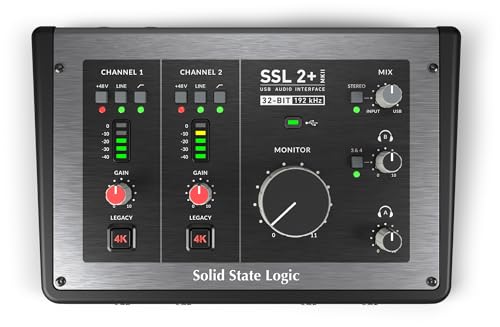
Solid State Logic 2 MKII Plus USB-C Interface

TC-Helicon GoXLR Broadcaster Platform Mixer

Behringer U-PHORIA UMC404HD USB Audio Interface

Yamaha MG10 10-Input Stereo Mixer

Focusrite Scarlett 2i2 4th Gen USB-C Interface
The Picks, Examined More Closely
The Focusrite Scarlett 18i20 3rd Gen earns its place when a project starts demanding more than two microphones. Eight combo inputs on the back mean you can record a full drum kit, a five-piece band, or a panel of podcast guests without reaching for a patch bay. Built-in talkback routing and speaker switching round out the workflow that small commercial studios have leaned on for years.
Where it really pulls away from more compact interfaces is the conversion depth. The 18i20 runs at 24-bit resolution and up to 192 kHz sample rates, capturing the kind of headroom mastering engineers expect. A small home studio tracking a jazz trio will hear the difference, and the low-latency monitoring path keeps the headphone mix tight during overdubs.
What Helps Most
- Eight high-headroom mic preamps with Focusrite’s Air circuit, lifting a vocal or acoustic guitar with presence that flatters a lot of source material.
- Eight line inputs and eight line outputs in a single rack unit, giving you real expansion room when a session grows past the original plan.
- 24-bit / 192 kHz conversion that holds up next to dedicated outboard converters for most tracking tasks.
- Talkback and monitor control built into the front panel, so you can manage cues without an external controller.
- Class-compliant drivers that keep round-trip latency low, helpful when tracking drums or bass where any delay becomes obvious.
Points To Keep In Mind
- The 1U rack body still requires a fair amount of desk depth, so smaller bedroom setups may feel crowded.
- You may find the bundled software suite less essential if you already own a DAW (digital audio workstation, the recording software on your computer), and the unit’s full potential shows up best when paired with a real mixing environment.
Key Specs
Best Suited To
Engineers and producers running band sessions, drum tracking, or any multi-mic workflow that has outgrown a two-channel interface.
Consider Something Else When
The Focusrite Scarlett 2i2 4th Gen is a saner choice for solo songwriters who rarely record more than a stereo pair at once.
The Behringer X32 RACK is a different animal from the rest of this list. It lives in a 3U rack body and behaves like a full live console that just happens to talk to your computer over USB. Touring bands, Houses of Worship, and small venue techs have made it a go-to because it processes 40 inputs across 25 mix buses with motorized-style recallable settings.
Sixteen programmable Midas-designed preamps handle the front of the signal chain, which is a quiet win for venues that have standardized on Midas preamp character. Eight XLR outputs plus six additional line connections give an install tech enough routing to feed a monitor wedge, a recording feed, and a broadcast send simultaneously.
Useful Touches
- 16 Midas-designed preamps with fully programmable gain, recallable scene by scene.
- 25-bus architecture supporting complex monitor mixes, FX sends, and matrix outs without breaking a sweat.
- iPad and iPhone remote control over a wireless router, so a sound tech can walk the room and tune the mix.
- 32-channel USB streaming for multi-track recording straight into a DAW.
Trade Offs
- No physical fader bank on the rack version, so live tweaking leans harder on the touchscreen and remote app than a full X32 console would.
- Overkill for a bedroom studio, and the menu depth takes real time to learn.
Right Fit For
Live-sound engineers and installed venues that need recallable, multi-bus mixing and multi-track recording in one chassis.
Look Elsewhere When
The TC-Helicon GoXLR is a friendlier fit for solo streamers who want broadcast-style routing rather than a full touring brain.
The Arturia MiniFuse 2 is the kind of interface that quietly disappears into a backpack. Bus-powered over USB-C, it runs from a laptop without a wall wart, which is a real plus for producers working in coffee shops or hotel rooms. Two combo inputs cover a vocal mic and a guitar, and a dedicated 5-pin DIN MIDI port keeps older hardware synths in the conversation.
For a small setup, the integrated loopback feature is a thoughtful add. It lets you capture computer playback directly into a recording session, useful for sampling YouTube breaks or streaming a podcast in a pinch. The housing is solid, with a metal shell that survives daily travel better than plastic-bodied rivals.
Positive Takeaways
- USB-C bus power means fewer cables to pack and one fewer wall outlet to fight for.
- Built-in MIDI I/O that older budget interfaces often skip, handy if you run a hardware synth or drum machine.
- Loopback channel for capturing computer audio without external routing tricks.
Worth Noting
- Only two inputs, so tracking a band is not realistic.
- You may need a USB-C hub on older laptops that lack a dedicated USB-C port.
Made For
Mobile producers, beatmakers, and laptop-first creators who want clean conversion and MIDI in a pocketable box.
A Better Fit Elsewhere
The Focusrite Scarlett 2i2 4th Gen makes more sense if you don’t need MIDI and want a more established driver ecosystem.
Solid State Logic’s pedigree in large-format consoles shows up the moment you push a vocal through the SSL 2 MKII Plus. The two preamps are voiced with the same approach that shaped hits on SSL 4000 desks, lending a subtle weight to midrange sources. For a singer-songwriter or rapper recording into a single condenser mic, that coloration is a genuine creative tool, not a gimmick.
USB-C connectivity and a 2-in, 4-out layout keep the box modern while still offering extra outputs for monitor speakers and an outboard cue mix. The Legacy 4K button on the front is the kind of small touch engineers appreciate: it adds a controlled high-frequency boost and gentle harmonic thickening when a track needs more energy.
What Earns Its Place
- SSL-designed preamps with a forward midrange that flatters vocals and acoustic instruments.
- Legacy 4K enhancement that injects a touch of console-grade color on demand.
- 2-in / 4-out configuration that supports a second monitor pair or an external headphone amp.
Honest Caveats
- Premium pricing means it has to compete with multi-input interfaces that record more sources at once.
- Owners commonly report the included software bundle varies by region, so check the package contents before checkout.
Feature Snapshot
Perfect Match For
Vocal-driven solo creators and project studio owners who want a touch of classic console flavor on every take.
Skip It When
The Focusrite Scarlett 18i20 3rd Gen is a smarter pick if you track full bands and need more mic preamps than color.
The TC-Helicon GoXLR was designed from the ground up for online broadcasters, and that focus shows. Four motorized faders sit on the front panel, giving you real-time control over mic, game, music, and chat sources without alt-tabbing into software mid-stream. For a Twitch creator juggling four audio sources at once, the tactile workflow is a real quality-of-life upgrade.
Built-in vocal effects add another layer: reverb, pitch correction, and a sound board for triggering samples on the fly are all baked in. Officially supported on Windows, the routing app handles the cable-style routing that streamers used to assemble with software mixers and virtual audio cables.
The Case For It
- Motorized faders that move with your software routing, a real tactile win during live broadcasts.
- Onboard vocal effects that save a chain of VST plugins and CPU cycles.
- Sample-triggering sound board for stingers, intro jingles, and meme drops.
Where It May Fall Short
- Windows-only support, so Mac streamers will need to look at a different box.
- You may find the included software less polished than dedicated broadcast tools, and the unit’s full feature set takes a weekend to map out.
Who Should Grab It
Streamers and content creators who run multi-source live broadcasts and want a single hardware hub for routing and effects.
Another Choice May Suit
The Yamaha MG10 is a better fit for musicians who need a quiet, roadworthy analog mixer rather than broadcast-specific routing.
The Behringer U-PHORIA UMC404HD has earned its reputation as a budget workhorse. Four Midas-designed mic preamps in a half-rack body give a bedroom producer a real multitrack workflow without breaking the bank, and the 4-in, 4-out layout supports modest hardware setups with ease.
24-bit / 192 kHz conversion means the specs on paper look identical to interfaces costing several times as much. In real-world tracking, that translates to a clean capture that pairs well with budget condensers and dynamic mics. The included MIDI I/O port is a small but useful touch for producers running older hardware synths.
A Few Highlights
- Four Midas-derived preamps at a price most home studios can absorb.
- 4-in / 4-out streaming with MIDI, unusual at this price point.
- Metal chassis that holds up to daily cable swaps in a small project studio.
Small Caveats
- Driver maturity is improving but historically laggier than Focusrite, so plan time for setup on fresh operating systems.
- Headphone amp power is modest, so high-impedance studio headphones may not reach satisfying levels.
Quick Facts
Who Will Love This
Project studios and home recordists on a tight budget who still need four real mic preamps and MIDI connectivity.
Swap It Out When
The Arturia MiniFuse 2 fits better if you only ever record one or two sources and want a smaller, USB-C-powered box.
The Yamaha MG10 is a small-format analog mixer first, and a USB interface second. That ordering matters if you mostly want a hands-on board for rehearsals, cafés, and small shows. The D-PRE mic preamps deliver the kind of detailed low end Yamaha has built its name on, and the metal chassis feels like it could survive a tour van without complaint.
USB connectivity here is a convenience rather than the headline feature. It streams the stereo mix to a computer for recording a live show or a podcast, but it isn’t a multichannel audio interface. The honest read is that this is a live mixer with the ability to record, not a recording interface pretending to be a live mixer.
Where It Helps
- Yamaha D-PRE preamps with a clean, articulate response that flatters vocal mics and acoustic instruments.
- Ten inputs in a compact tabletop body, enough for a small acoustic duo plus a couple of stereo sources.
- Switchable phantom power for condenser mics and a one-knob compressor on selected channels.
Some Limits To Know
- USB output is stereo only, so you cannot isolate individual tracks later in your DAW.
- No MIDI or ADAT expansion, which limits it as a studio hub if your setup grows.
Feature Card
Whose Shelf It Belongs On
Solo performers, worship leaders, and small venue owners who want a reliable analog mixer that can also send a recording to a laptop.
Where A Sibling Pick Shines
The Behringer U-PHORIA UMC404HD is the better fit if you need four individually routable inputs for multitrack recording.
The Focusrite Scarlett 2i2 has been the entry-level interface of choice for so long that the 4th generation is almost an institution. Two ultra-low-noise mic preamps handle a vocal mic and an acoustic guitar with ease, and the USB-C bus power keeps the cable count down to one. For a first-time producer or podcaster, the workflow lands cleanly within an hour of unboxing.
The 4th generation refines what worked. Auto Gain sets sensible input levels when you are still learning the basics, and Clip Safe monitors the signal to prevent accidental peaking mid-take. Studio-grade converters with a wide dynamic range give tracks a polish that holds up against interfaces costing more.
The Good Stuff
- Two detailed, low-noise preamps that handle condenser and dynamic mics without fuss.
- Auto Gain and Clip Safe take the guesswork out of setting levels for newcomers.
- USB-C connection simplifies cable management on modern laptops.
Points To Note
- Only two inputs, so you cannot grow into a full band tracking session without upgrading.
- You may find yourself wanting a hardware monitor controller once your setup expands.
Built With In Mind
Solo songwriters, podcasters, and first-time producers who want a low-friction entry into home recording with a trusted name.
Reach For A Different Pick When
The Solid State Logic 2 MKII Plus is a richer choice if you record mostly vocals and want preamp coloration on tap.
What Matters Most Before Choosing Usb Audio Mixers
The first decision is honest about your input count. A solo podcaster or vocalist can live happily on a two-channel interface like the Scarlett 2i2 4th Gen, while a band or drum session will run straight into the wall without at least four preamps. Counting your current mics and adding one or two for growth is a quick way to avoid the common trap of outgrowing a unit in six months.
The second decision is the use case. Recording and live broadcasting are not the same job, even when the boxes look similar. An interface built for studio tracking prioritizes converter quality and preamp transparency. A broadcaster platform like the GoXLR prioritizes routing, motorized faders, and on-the-fly effects. Knowing which workflow you live in saves a lot of money and frustration.
The third decision is connectivity. USB-C bus power keeps travel setups clean, but it can struggle on older computers. A larger interface with its own power supply offloads that headache but adds a wall wart. Match the connection to your computer and your portability needs before falling for a spec sheet.
Where Shoppers Go Wrong With Usb Audio Mixers
One common mistake is chasing the highest channel count. More inputs sound like headroom, but unused preamps are wasted money. A four-input interface is a smarter buy than an eight-input flagship if your sessions only ever use two microphones.
Another trap is ignoring the software side. An interface is only as stable as its drivers on your operating system. Research the manufacturer’s support reputation and the freshness of recent driver updates before committing, especially on a Mac or a non-standard Linux setup.
The Upgrade Payoff In Usb Audio Mixers
Paying more for a higher-tier interface usually buys you three things. Better preamps with more headroom, more flexible routing for complex sessions, and conversion that holds up under heavy processing. For a bedroom producer on a small budget, the second-tier picks already do the job well. The step up starts to make sense once you are tracking full bands, running outboard hardware, or mastering your own work and need every decibel of dynamic range preserved.



