

A smoothie bowl has one unforgiving rule: it has to be thick enough to hold toppings, but smooth enough to spoon without chewing. Standard blenders tend to leave you with a watery drink or a chunky mess, which is why the dedicated picks below focus on torque, paddle geometry, and bowl-specific vessels. If you make açaí bowls on Sunday mornings, blend frozen bananas for post-workout fuel, or just want a cleaner protein-shake routine, the right machine turns frozen fruit into something genuinely spoonable.
The Leading Options At A Glance

Ninja Foodi SS101 Smoothie Bowl Maker (Renewed)
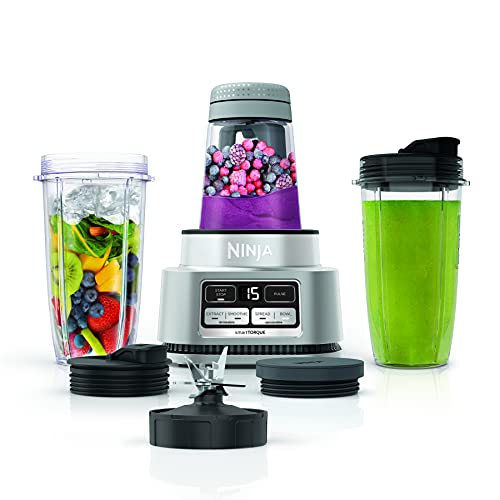
Ninja Foodi SS101 Personal Smoothie Bowl Maker
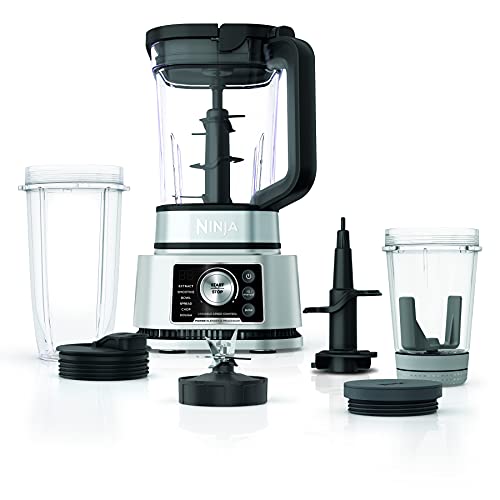
Ninja Foodi SS351C Power Blender & Processor

Ninja Mega Kitchen System BL770AMZ 1500W
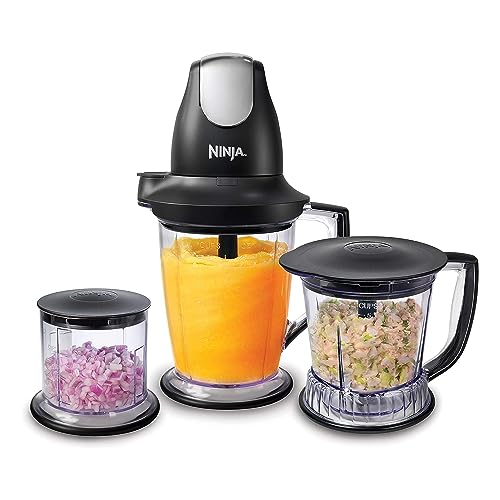
Ninja QB1004 Blender/Food Processor 450W

Bonsenkitchen Immersion Blender 20 Speeds
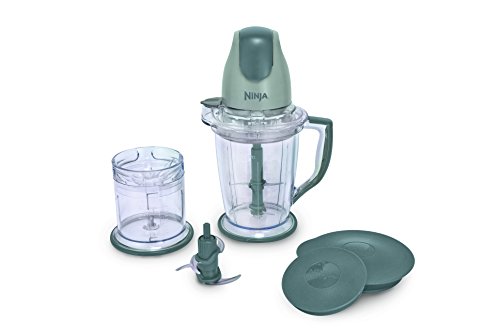
Ninja Master Prep Blender Gray

Bonsenkitchen Immersion Blender 12 Speeds
Meet The Standout Selections
This refurbished unit ships at a lower cost than its brand-new sibling, which makes it appealing if you want the dedicated bowl-paddle setup without paying full retail. The SS101 design pairs an 1100W base with a specialized bowl vessel and a nutrient extraction cup, covering both thick açaí-style blends and drinkable smoothies from a single motor.
For anyone buying a first bowl maker, this is a sensible entry point. The trade-off is the renewed condition, so inspect packaging on arrival and confirm the included accessories (paddle, bowl, to-go cup) are present before your first blend.
Practical Pluses
- Lower entry cost than a new unit, useful for budget shoppers
- Dedicated thick-blend paddle handles frozen fruit with minimal liquid
- Two-in-one function covers both smoothie bowls and to-go drinks
- Compact footprint suits apartment counters and small kitchens
Trade Offs
- Renewed condition means cosmetic wear may be visible on the base or vessels
- Warranty coverage is shorter than a new SS101 purchase
Who It Suits Best
First-time smoothie bowl makers and apartment dwellers who want the SS101 paddle system at a lower cost.
Look Elsewhere When
You prefer a brand-new motor and full factory warranty, in which case the new Ninja Foodi SS101 is the better fit.
SmartTORQUE is the headline feature here: a motor designed to push through thick, frozen loads without stalling, which is the exact failure point on cheaper blenders. The base ships with a power Nutri bowl that uses a paddle blade to push frozen ingredients around a wider, flat-bottomed vessel rather than a tall pitcher. That geometry matters for smoothie bowls, where the goal is to keep food circulating under the blade instead of climbing the walls.
You also get a separate cup with a spout lid for drinkable smoothies, so the SS101 covers both formats in one machine. Compared to the renewed unit above, this version offers full factory warranty support and newer cosmetic condition.
The Value In It
- SmartTORQUE motor maintains speed through heavy frozen loads
- Wide Nutri bowl geometry keeps thick blends circulating evenly
- Two vessels in the box handle both bowls and to-go drinks
- Dishwasher-safe components simplify daily cleanup
Honest Caveats
- Single-serve capacity is limiting for households blending for several people
- Base footprint still requires a dedicated counter spot
Made For
Solo users running a daily thick-bowl or post-workout shake routine who want reliable torque in a personal-sized package.
A Better Fit Elsewhere
Families or batch preppers should step up to the Ninja Foodi SS351C, which has a full 72oz pitcher and variable speed control.
The SS351C is the overachiever of the lineup, advertising six distinct functions in a single base: blending, smoothie bowls, food processing, dough mixing, and more. Total Speed Control, meaning a low-to-high variable dial rather than fixed pulse buttons, lets you start slow to avoid splashing and ramp up for a smooth finish. The 72oz pitcher holds a serious volume, which is meaningful for households that blend in batches or cook with the same machine.
Where the SS101 above is built for one bowl at a time, the SS351C is the family-hub version. Owners commonly report using it for everything from frozen margaritas to pizza dough, which suggests the blade and motor handle dense, sticky loads without burning out.
Notable Upsides
- Variable speed dial gives finer control over texture than fixed buttons
- 72oz pitcher supports batch blending for multiple servings
- Replaces several single-purpose appliances on the counter
- SmartTorque design aims to prevent stalling under heavy loads
Worth Bearing In Mind
- Larger footprint demands more counter or cabinet storage space
- Heavier base is less convenient to move for cleaning
Key Product Details
The Right Fit
Active households that want one machine to cover smoothie bowls, dinner prep, and weekend baking.
Where Another Pick Suits Better
Solo users in studio apartments get more useful value from the smaller Ninja Foodi SS101 above.
At 1500 watts, the BL770AMZ sits at the high end of household blender power. The system ships with a 72oz full-size crushing pitcher, an 8-cup food processor bowl, and a 16oz Nutri cup, which is a more aggressive accessory spread than the SS351C. In real terms, that means you can crush ice for frozen drinks, process a large batch of vegetables, and blend a personal smoothie without swapping bases.
The trade-off is footprint and storage. This is a countertop unit before it is a cabinet one, so smaller kitchens may struggle to keep it accessible. Compared to the SS351C above, the BL770AMZ leans harder into raw power and food-processing breadth.
Features That Help
- 1500W motor handles dense, fibrous ingredients quickly
- Three vessels cover full batches, prep work, and personal drinks
- Total Crushing technology targets ice and frozen fruit
- Replaces a separate food processor on the counter
Soft Spots
- Largest footprint in the roundup; demands significant counter space
- Heavier base is less portable for cleaning or rearranging
Whose Shelf It Belongs On
Home cooks who batch-blend, prep vegetables, and crush ice regularly, and have the counter real estate to support it.
Consider Something Else When
You only blend single-serve smoothie bowls, in which case the Ninja Foodi SS101 is a more proportionate pick.
The QB1004 takes a different design route: instead of one fixed pitcher, it uses a 450W power pod that docks with multiple vessels, including a 48oz pitcher, 40oz processor bowl, and 16oz chopper. You swap the pod rather than the blade, which is convenient for storage and for washing fewer parts. The lower wattage means it works best with softer produce and pre-crushed ice rather than rock-hard frozen blocks.
Compared to the SS101 and SS351C above, the QB1004 is a more modular, dorm-friendly concept. It will not pulverize a frozen banana the same way, but the tradeoff is a slimmer base that fits in tighter spaces.
Benefits That Matter
- Modular pod design reduces clutter and simplifies storage
- Multiple vessels cover blending, chopping, and processing
- Storage lids included for leftovers and prep work
- Lower price bracket than full-power systems
Where It May Fall Short
- 450W base struggles with dense frozen ingredients compared to higher-watt options
- Older design lacks the variable-speed precision of newer picks
Best Suited To
Students, renters, and small-kitchen cooks who want one flexible base for shakes, light chopping, and meal prep.
Skip It When
You regularly blend rock-hard frozen fruit for thick bowls, in which case the Ninja Foodi SS351C handles that workload better.
Immersion blenders, also called stick blenders, work directly in a cup or pot rather than a sealed pitcher. This Bonsenkitchen model ships with a 500W motor, 20 speed settings plus a turbo boost, a 24oz beaker, a 17oz chopper bowl, and a whisk attachment. The accessory spread is generous for a stick format and covers protein shakes, whipped cream, baby food, and small chopping tasks.
The catch with immersion blenders and thick smoothie bowls is air incorporation. You can achieve a workable texture, but you sacrifice the cyclone effect of a pitcher blade, and the bowl pucks you see on social media are typically pitcher-based. This pick fits users with limited storage who blend in a cup.
A Strong Showing
- Compact stick format fits in a drawer rather than a corner of the counter
- 20 speeds plus turbo offer wide texture range
- Whisk and chopper attachments extend functionality beyond blending
- 500W motor is robust for handheld class
Practical Considerations
- Thick açaí-style bowls are harder to achieve without a dedicated paddle vessel
- Longer blending cycles for frozen fruit can warm the motor housing
Quick Facts
Perfect Match For
Apartment cooks with limited counter space who want a multi-purpose stick blender for shakes, soups, and small prep work.
Reach For A Different Pick When
Thick, scoopable smoothie bowls are the primary use case, in which case the Ninja Foodi SS101 paddle system is the better match.
The Master Prep is one of the more affordable full-pitcher Ninja options, with a 48oz pitcher for frozen drinks and a 2-cup processor bowl for chopping tasks. The standout feature is quad-blade technology, which stacks four blades vertically to push food through the pitcher more evenly than a flat, two-blade setup. Owners commonly report consistent ice crushing for margaritas and frozen smoothies.
It is not a dedicated bowl maker, so the texture leans more drinkable than scoopable, but for beginners exploring the smoothie routine, the price-to-capability ratio is hard to ignore.
Noteworthy Benefits
- Quad-blade stack improves ice-crushing and blending consistency
- Includes both a full pitcher and a smaller chopper bowl
- Storage lids support leftovers in the same vessel
- Lower price point than newer Foodi systems
Some Limits To Know
- Not designed specifically for thick smoothie bowls
- Smaller motor than the SS351C or BL770AMZ in this roundup
Who Should Grab It
First-time shoppers building a smoothie routine and exploring whether a dedicated blender fits their kitchen.
Where A Sibling Pick Shines
Committed bowl enthusiasts get more reliable thick textures from the Ninja Foodi SS101 above.
This Bonsenkitchen variant trims the speed count to 12 (plus turbo) but keeps the same four-in-one accessory kit: blending shaft, whisk, 24oz beaker, and 17oz chopper bowl. The 500W-class motor handles soups, sauces, and protein shakes without hogging counter space, which is the core appeal of the immersion format.
Versus the 20-speed version above, you give up some fine texture control in exchange for a slightly lower cost. For most daily routines the speed step is invisible, though culinary users dialing in exact consistencies may notice.
What Earns Its Place
- Compact stick form stores in a kitchen drawer
- 12 speeds plus turbo cover most daily blending needs
- Whisk and chopper attachments expand the recipe range
- Lower price than the 20-speed sibling
Honest Caveats
- Thick smoothie bowls require patience without a dedicated paddle vessel
- Fewer speed settings than the 20-speed Bonsenkitchen alternative
Right Fit For
Daily soup, sauce, and shake users who want a single stick tool that disappears into a drawer when not in use.
Swap It Out When
Smoothie bowls are the primary goal, in which case the Ninja Foodi SS101 paddle design is the more appropriate tool.
What To Weigh Before Choosing Your Next Smoothie Bowl Blender
Power And Torque For Frozen Loads
Wattage tells you how much energy the motor can pull, but torque, meaning the rotational force applied to the blade, decides whether the machine stalls on a frozen banana. For thick bowls, you want enough torque to keep the blade turning under load, not just a high peak watt number.
Anything under 600W tends to require thawing or pre-chopping, which adds prep time. The 1100W to 1500W range in this roundup handles full-frozen fruit with little babysitting.
Vessel Geometry Over Pitcher Size
A traditional tall pitcher creates a vortex that thins drinks, which is the opposite of what a smoothie bowl needs. Wide, flat-bottomed bowl vessels keep thick blends circulating under the blade and produce the scoopable texture that holds toppings.
Look for terms like “smoothie bowl maker” or a paddle-style blade when thick blends are the priority. Standard pitcher blenders still work but rarely deliver that spoon-thick finish without extra time.
Capacity Matched To Your Household
Single-serve vessels shine for one or two bowls a day, but a 72oz pitcher wins when the family wants matching drinks on a Saturday morning. Match the vessel to your typical batch, not the largest one you might occasionally need.
Owners who underestimate capacity often end up with two machines. A 48oz pitcher covers a couple of bowls, while 72oz supports four to six servings in one cycle.
Cleanup, Storage, And Long-Term Care
Dishwasher-safe components save real time, especially when blending daily. Sealed blade bases reduce the risk of food trapping under gaskets, a commonly reported issue on cheaper designs.
For storage, modular pod systems and stick blenders tuck into drawers, while full-pitcher systems need a cabinet corner. Choose the form factor your kitchen can actually accommodate.
Key Considerations Across These Picks
Where Shoppers Go Wrong
A common trap is chasing the highest wattage without checking vessel shape, which leaves shoppers with a powerful drink-blender rather than a bowl maker. Another is underestimating counter space; a 72oz system is taller and wider than product photos suggest.
Read the included accessory list carefully. A lower-watt machine with the right paddle and bowl vessel often outperforms a high-watt pitcher for thick blends.
What Separates Premium From Basic
The upgrade path in this category is torque management, variable speed control, and accessory breadth. Premium-tier machines maintain blade speed under load, dial in texture precisely, and replace multiple single-purpose tools on the counter.
For casual users making two bowls a week, the base tier delivers strong value. For daily blending or family use, the extra spend typically pays back in time saved and fewer stalled loads.
Frequently Asked Questions
What makes a blender good for smoothie bowls specifically?
Smoothie bowl blenders use a wide, flat-bottomed vessel and a paddle-style blade to push thick, frozen ingredients under the blade rather than up the walls. That geometry produces a spoonable texture that holds toppings without thinning out.
Can a regular pitcher blender make thick smoothie bowls?
Yes, though it usually takes more blending time and a smaller batch to keep the vortex from over-thinning the mix. Using less liquid and pre-chopping frozen fruit also helps pitcher-based machines reach a scoopable consistency.
How important is wattage for frozen fruit blends?
Wattage matters, but torque matters more. A motor that maintains blade speed under a heavy load will outperform a higher-watt motor that bogs down on dense ingredients.
Are immersion blenders suitable for smoothie bowls?
They can work for softer frozen fruit in small batches, but they do not circulate air the same way a pitcher or bowl vessel does. Thicker, scoopable bowls are easier to achieve with a dedicated bowl-maker system.
How do you clean a smoothie bowl blender properly?
Most units with dishwasher-safe components allow quick disassembly and a top-rack cycle. For hand-washing, rinsing the vessel immediately after use prevents residue from drying onto the blade base or gasket.



