

A reliable blender is one of the hardest-working tools in a modern kitchen, and choosing between a personal cup setup, a full countertop system, or a hand-held immersion wand gets confusing fast. Each of the picks below covers a different lane: single-serve smoothies, family-sized meals, dough prep, or simply replacing a worn-out container. Skip the marketing noise and focus on motor strength, jar size, blade design, and how often you’ll actually use the thing.
The Lineup, Simplified

Ninja (Refurbished) BN401 Nutri Pro Auto-iQ Personal Blender

Vitamix 5-Speed Immersion Blender 625-Watt

Ninja Compact Kitchen System Auto-iQ 1200W

Ninja Professional Plus Kitchen System 1400W BN801

Ninja BL660 Professional Compact Blender 1100W

NutriBullet ZNBF30500Z Blender Combo 1200W
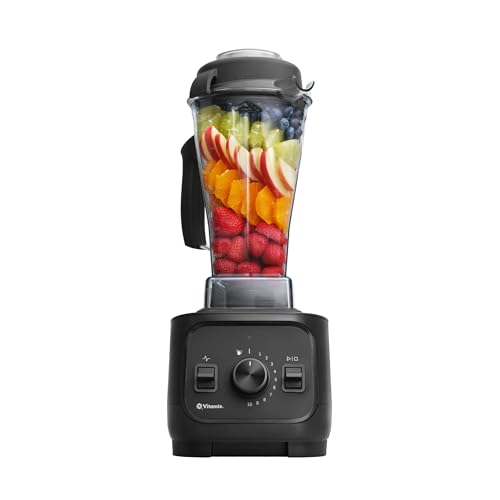
Vitamix VX1 Professional-Grade Blender 64 oz

Vitamix 48 oz Stainless Steel Container SELF-DETECT
Meet The Standout Selections
For anyone who mostly blends single servings of protein shakes or fruit smoothies in the morning, this refurbished Ninja delivers a lot of motor for the money. The 1100-peak-watt base crushes ice and frozen fruit without bogging down, and the Auto-iQ preset cycles (preset timed programs that pulse, pause, and blend on their own) take the guesswork out of texture. Because it’s a manufacturer-renewed unit, the price typically lands well below the brand-new equivalent, which makes it a sensible fit for a first blender, a dorm room, or a secondary setup in an office break area.
Keep in mind that this is a personal-blender form factor, not a full-size pitcher system. You won’t be making big-batch soups for a dinner party here, and the to-go cup capacity caps how much you can prep at once. The cloud-silver finish also tends to show fingerprints faster than darker housings, so a quick wipe-down after each use keeps it looking sharp.
Everyday Perks
- 1100 peak watts handles frozen fruit and ice without stalling on most recipes
- Auto-iQ presets remove timing guesswork, useful for first-time blender owners
- Refurbished pricing opens up a real Ninja build at a noticeably lower entry cost
- Compact personal-cup footprint fits on crowded counters or inside small cabinets
Things To Consider
- Smaller capacity means batching for more than two people takes multiple rounds
- Limited jar options compared to full-size countertop systems later in this list
Feature Snapshot
Made For
Solo users and small households who mostly want quick morning smoothies and don’t need a full-size pitcher.
Look Elsewhere When
You cook for a crowd or want dough and chopping in the same machine, where the Ninja Professional Plus Kitchen System 1400W BN801 is a more capable match.
An immersion blender (a handheld stick blender you submerge directly in a pot or bowl) earns its keep when you want to purée a pot of soup without transferring hot liquid to a countertop jar, and this Vitamix model brings the brand’s reputation for power into that handheld form. The 625-watt motor drives a stainless steel bell guard, which protects cookware surfaces while still pulling ingredients down into the blades. Five speed settings cover a wider range than basic two-speed sticks, and the stainless-and-black body feels balanced in hand during longer purées.
Compared with the first pick, there’s no personal cup or pitcher to deal with. Instead, you blend directly in whatever pot or bowl is already in use, which cuts dishes dramatically for weeknight cooking. For people who mostly reach for a blender to make smoothies, this likely feels limiting, but for soups, sauces, and baby food, the direct-in-pot workflow is hard to beat.
Benefits That Matter
- Vitamix-grade motor handles fibrous greens and root-vegetable purées with ease
- Stainless steel bell guards non-stick pots, which matters in busy weeknight cooking
- Five speeds let you dial in chunky to silky textures without swapping attachments
- Immersion form factor dramatically reduces cleanup versus a countertop pitcher
Worth Noting
- No sealed jar, so blends are not as aerated as a high-speed countertop setup
- Less convenient for ice-heavy frozen drinks where a full-size blender dominates
- Handheld use can be tiring during extended blending sessions
Best Suited To
Home cooks who regularly make hot soups, pan sauces, or purées and want minimal cleanup.
Not Your Match When
Your routine centers on cold smoothies and frozen drinks, in which case the NutriBullet ZNBF30500Z Blender Combo 1200W suits the daily cold-blend workflow better.
The Compact Kitchen System trades some of the raw wattage found in the Professional Plus line for a more flexible three-vessel setup. The 1200-watt base drives a 72-ounce full-size pitcher, a 5-cup processor bowl, and a single-serve cup, all swap-in, swap-out on the same motor. Auto-iQ technology still runs the timed pulse patterns, so the day-to-day feel stays close to other Ninja countertop models. For small households that switch between smoothie mornings and weekend salsa or chopped-veggie prep, the consolidation matters.
The processor bowl handles chopping and mixing but isn’t built for heavy bread dough, which is where the larger Professional Plus unit later in the list pulls ahead. Storage is also worth thinking through: three vessels plus lids take up cabinet space, and the grey plastic housing tends to need a hand wash rather than a long dishwasher cycle. You may find the system a bit more involved to clean than a single-jar blender.
Useful Highlights
- Three interchangeable vessels cover blending, chopping, and single-serve drinks in one footprint
- Auto-iQ presets keep results consistent across different vessel types
- 1200 watts provides enough torque for frozen fruit and ice in the full-size pitcher
- Compact base footprint suits apartment counters where a full kitchen system would dominate
Trade Offs
- More parts to wash and store than a single-pitcher model
- Processor bowl is not designed for heavy bread dough, limiting it versus a true dough system
- Hand-washing the plastic vessels is commonly needed to extend their lifespan
Whose Shelf It Belongs On
Couples or small families that want one machine to handle smoothies, light chopping, and single-serve drinks.
Consider Something Else When
Bread dough and large-batch entertaining are part of the routine, where the Ninja Professional Plus Kitchen System 1400W BN801 is the better match.
This is the do-most-things unit in the Ninja lineup, and for good reason. The 1400-watt base handles everything from crushed-ice smoothies to bread dough, paired with a 72-ounce full-size blender pitcher, a 64-ounce processor bowl, and two 24-ounce to-go cups. Auto-iQ preset programs cover five distinct functions, and the Total Crushing Blades turn ice into snow in seconds, which makes frozen margaritas and smoothie bowls a non-event. For households that entertain or batch-prep, the larger vessel sizes cut down on repeat cycles.
All that capacity comes with footprint and weight trade-offs. The base is heavier than the BL660’s, and the full vessel collection takes up significant cabinet real estate when stored. The grey finish also shows water spots, so a towel nearby helps. You may want to consider where the unit will live permanently before committing, since moving it in and out of a cabinet daily gets old fast.
Positive Points
- 1400 peak watts drive dough, ice, and tough fibrous ingredients with minimal slowdown
- Five Auto-iQ functions reduce manual timing decisions across recipes
- 72-ounce pitcher and 64-ounce processor handle large family or party batches
- Two included to-go cups add single-serve flexibility without buying extras
Honest Caveats
- Heavier base and broader footprint need a dedicated counter spot in most kitchens
- Full vessel set requires more storage space than a single-pitcher model
Quick Facts
The Right Fit
Active households that batch-cook, entertain often, or want one system to cover dough, chopping, and full-size blending.
A Better Fit Elsewhere
Solo users in tight apartments, where the Ninja BL660 Professional Compact Blender 1100W gives similar power with a smaller footprint.
The BL660 is the workhorse pick when counter space is tight but smoothie quality still matters. The 1100-watt base drives the Total Crushing Blades through ice and frozen fruit quickly, and the 72-ounce pitcher handles party-sized batches despite the slim base footprint. Three function settings (Blend, Crush, and Pulse) keep the controls simple, which is a feature in a household where not everyone wants to learn a complex interface. The two included 16-ounce to-go cups with spout lids make grab-and-go mornings straightforward.
Where the BL660 falls short is on versatility. There’s no processor bowl for chopping vegetables, and no dough function, so cooks who want one machine for every prep task should look at the Professional Plus instead. The plastic pitcher also tends to cloud slightly over years of use, which is a common cosmetic note but doesn’t affect performance. For most daily smoothie routines, the 1100 watts feel strong enough that a larger motor is rarely necessary.
Noteworthy Benefits
- 1100 watts and Total Crushing Blades make short work of ice and frozen fruit
- Compact base footprint fits small apartment counters without dominating the space
- Three simple function settings remove the learning curve for new users
- Two to-go cups with spout lids make single-serve routines genuinely portable
Points To Note
- No dedicated processor bowl limits chopping and slicing capability
- Plastic pitcher can show cosmetic clouding over years of heavy dishwasher cycles
Perfect Match For
Apartment dwellers and small households who want a powerful daily smoothie maker without the bulk of a full kitchen system.
Reach For A Different Pick When
Chopping, slicing, or bread dough is on the weekly prep list, where the Ninja Professional Plus Kitchen System 1400W BN801 pulls ahead.
The NutriBullet Combo bridges two worlds that usually require separate machines. The 1200-watt base accepts both the classic single-serve extraction cups and a 64-ounce full-size pitcher, switching between them with a simple twist. Multiple speed settings and a pulse function give finer control than entry-level NutriBullet models, which is helpful for nut butters and thicker blends where over-processing matters. The dark-gray housing hides smudges better than lighter finishes, which matters if the unit lives on the counter full-time.
Where this model trails competitors is in raw ice-crushing performance. The blades handle frozen fruit well, but the 64-ounce pitcher doesn’t move ice quite as aggressively as the Ninja Total Crushing setup. You may find yourself adding ice in smaller bursts for the smoothest results. The combination of cups and pitcher in one box also means more parts to track, so a dedicated cabinet shelf helps keep lids and blades from disappearing.
Advantages To Know
- Dual setup covers single-serve cups and a 64-ounce pitcher on one base
- 1200 watts handle nut butters and thicker blends without overheating on most runs
- Multiple speeds plus pulse function offer finer texture control than basic two-speed sticks
- Dark-gray finish hides fingerprints better than lighter plastics
Softer Spots
- Ice-crushing is less aggressive than the Ninja Total Crushing systems
- Multiple vessels and lids require a dedicated storage spot to stay organized
- Heavier than a single-cup personal blender, less convenient for grab-and-go lifestyles
Key Product Details
Who Will Love This
Daily-smoothie households that want a single base for both single cups and shared pitcher recipes without buying two machines.
Swap It Out When
Crushed-ice drinks and frozen cocktails are the main use case, where the Ninja BL660 Professional Compact Blender 1100W handles ice more aggressively.
The VX1 is positioned as the entry point into Vitamix’s professional-grade lineup, and that framing is accurate: it uses the brand’s signature laser-cut stainless-steel blades and a robust motor, paired with the classic 64-ounce container. For someone who has only ever used a mid-tier home blender, the texture difference shows up immediately in nut butters, fibrous greens, and hot soups (which the blade friction heats through, eliminating the need for a stove). Build quality feels substantial, and the all-black housing looks at home next to higher-end countertop appliances.
The VX1 is a single-purpose machine in the sense that it doesn’t include personal cups, a processor bowl, or to-go accessories. Households that want one base for everything should look at the larger Ninja systems above instead. The 64-ounce container also means that small single-serve runs feel oversized, and the wider base needs clear under-cabinet space to lift the jar off cleanly. For committed home cooks, those trade-offs are easy to accept; for casual users, the price-to-flexibility ratio may feel steep.
Real Benefits
- Vitamix motor and blade assembly handle nut butters, fibrous greens, and hot soups consistently
- 64-ounce container works for both single servings and family batches with one jar
- All-black housing coordinates with premium appliance suites on open counters
- Stainless-steel blade construction is built for years of daily use
Small Caveats
- No included single-serve cups or processor bowl reduces day-to-day flexibility
- Single-jar setup means small smoothies feel oversized for the container
- Premium pricing relative to multi-vessel systems on this list
Built With In Mind
First-time high-performance blender shoppers who want long-term durability and classic Vitamix performance without extras.
Where A Sibling Pick Shines
Versatility matters more than pro-grade power, where the Ninja Professional Plus Kitchen System 1400W BN801 covers more functions on one base.
Strictly speaking, this is an accessory, not a stand-alone blender, but for any household that already owns a compatible Vitamix base, the 48-ounce stainless steel container is a meaningful upgrade. The stainless build resists staining and odor retention far better than the standard clear-plastic jar, which matters for cooks who switch between curry pastes, berry smoothies, and hot soups in the same container. SELF-DETECT technology (a feature where the base recognizes which container is attached and adjusts settings accordingly) means the Vitamix base automatically adjusts its programs to match the new jar.
The 48-ounce size lands between a personal cup and the classic 64-ounce jar, which suits small-to-medium batches but doesn’t quite serve party-sized recipes. Stainless steel also makes the container noticeably heavier than plastic, so lifting it off the base one-handed takes some adjustment. For anyone who already runs a Vitamix daily, though, the reduced cleanup and improved durability justify the swap.
A Few Strong Suits
- Stainless steel construction resists stains and odors better than plastic jars
- SELF-DETECT compatibility with modern Vitamix bases simplifies program selection
- 48-ounce capacity is a useful middle ground for typical household batches
- Compact profile fits under standard overhead cabinets more easily than taller jars
Areas To Watch
- Heavier than plastic jars, which can be awkward when pouring or cleaning
- Smaller than the classic 64-ounce container, so large batches still need the original jar
- Requires a compatible Vitamix base to operate, not a stand-alone appliance
Technical Reference
Who Should Grab It
Existing Vitamix owners who want a more durable, odor-resistant second container for daily use.
Skip It When
You don’t yet own a compatible Vitamix base, in which case starting with the Vitamix VX1 Professional-Grade Blender 64 oz is the better move.
What To Weigh Before Choosing a Quality Blender
Power And Motor Strength
Wattage on the box (typically labeled “peak watts,” the brief maximum output a motor can hit under load, not sustained output) gives a rough sense of how aggressively a blender will handle ice, frozen fruit, and fibrous greens. Mid-tier countertop units land in the 1000 to 1200-watt range, which covers daily smoothie and frozen-drink routines without strain. Pro-grade machines and full-size kitchen systems reach 1400 watts or more, which is where bread dough and nut butters become realistic. For most households, anything north of 1000 peak watts handles the weekly rotation comfortably.
Jar Size And Vessel Configuration
The right jar size depends on how many people you cook for. Personal-blender cups around 16 to 24 ounces serve solo routines well. Family households benefit from 64 to 72-ounce pitchers, and anyone entertaining regularly should look at full kitchen systems with separate processor bowls. The vessel configuration matters as much as the size: a single-pitcher unit cleans up faster, while a multi-vessel system adds chopping and dough functions at the cost of more parts to store.
Blade Design And Material
Stainless-steel blades are the standard across this category, and the difference shows up in longevity and how the blade interacts with the container wall. Laser-cut blades (precision-cut from a single piece of steel) tend to stay sharper longer than stamped blades. Look also for blade assemblies that lift out for cleaning, since rinsing around a fixed blade under the tap is awkward and tends to lead to skipped washes.
Intended Use And Recipe Variety
Honest self-assessment matters more than feature lists. A daily green-smoothie drinker doesn’t need dough capability, and a serious home cook who makes bread weekly should prioritize that function over ice-crushing gimmicks. Match the machine to your three or four most common recipes, not the wish list of things you might make someday. The right pick is the one that disappears into your routine, not the one with the longest spec sheet.
Key Considerations Across These Picks
Pitfalls Shoppers Hit
A common stumble is buying the largest pitcher available when a personal cup would actually fit the routine better. Oversized jars lead to poor vortex formation (the circular flow that pulls ingredients down into the blades) when blending small amounts, which leaves chunks unprocessed. The flip side mistake is choosing a compact personal blender for a family of four and ending up running five cycles to make breakfast. Match the vessel to your typical batch size, not to a hypothetical “what if I entertain” scenario.
Another trap is focusing on a single bullet point like “1500 watts” without reading what else the unit offers. Wattage matters, but container shape, blade geometry, and preset programs have at least as much impact on final texture. Reading past the headline spec into the actual feature list usually reveals which machines are genuinely well-rounded and which are running on raw power alone.
When Paying More Pays Off
The jump from mid-tier to pro-grade blenders, particularly in the Vitamix range, costs noticeably more but pays back in two areas: build longevity and blending consistency. Stainless-steel components, SELF-DETECT compatibility, and tighter motor tolerances mean the machine still works like new after years of daily use, while entry-level plastic jars tend to cloud, smell, or lose blade sharpness within a couple of years. For households that blend every single day, the upgrade often pencils out over time. For occasional users, the mid-tier picks in this list give most of the everyday benefit at a fraction of the cost.
Frequently Asked Questions
How Many Watts Should a Quality Blender Have?
For most household routines, 1000 to 1200 peak watts is plenty. Above 1400 watts, you start seeing bread dough and nut butter capability, but the trade-off is usually a heavier base and a higher price.
Are Refurbished Blenders Worth Buying?
Manufacturer-refurbished units from major brands typically perform like new because they’ve been tested to factory standards. The cost savings make them a sensible option for first-time buyers, though the cosmetic condition may show light wear.
What’s the Difference Between a Blender and a Food Processor?
Blenders are built for liquids and smooth purées, using tall pitchers and high-speed blades that create a vortex. Food processors use wider bowls and slower blades designed for chopping, slicing, and dough, which is why full kitchen systems bundle both functions.
Can I Make Hot Soup in a Blender?
Pro-grade models with high blade speed can heat soup through friction during extended blending cycles, typically 5 to 7 minutes. Standard mid-tier blenders don’t generate enough heat for that effect, so for hot soups, a stovetop simmer plus an immersion blender is the simpler path.
How Do I Clean a Blender Without Scrubbing?
Fill the jar partway with warm water and a drop of dish soap, run the blender on high for 20 to 30 seconds, then rinse. The same approach works for most detachable blade assemblies and saves the awkward task of reaching into a sharp blade well with a sponge.



