

You care about what touches your food, and the inside of a blender pitcher matters more than most people realize. The right pick should keep plastic away from hot soups and frozen smoothies without forcing you to baby it. This list looks at blenders and accessories built around safer materials, glass or stainless steel where it counts, plus the wattage and blade design that turn whole produce into something drinkable. The seven options below cover a wide range of kitchens, from small-batch smoothie makers to households blending every morning.
The Picks In Brief

Ninja Compact Kitchen System Auto-iQ 1200W

Vitamix 5-Speed Immersion Blender 625W

Ninja Professional Plus Kitchen System 1400W

Ninja BL660 Professional Compact Blender 1100W
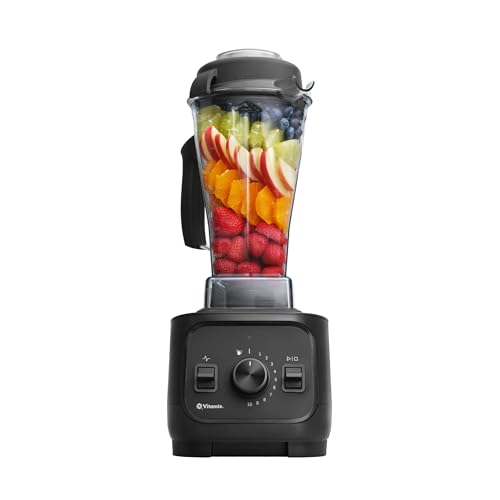
Vitamix VX1 Professional-Grade Blender 64 oz

Vitamix 48 oz Stainless Steel Container

Beast Mega 1200 Plus Countertop Blender
The Picks, Examined More Closely
The Ninja Compact Kitchen System earns its spot first because it pulls triple duty without crowding the counter. A 1200-watt base powers a full 72-ounce pitcher, a smaller processor bowl, and a single-serve cup, so you can move from morning smoothies to chopped vegetables without swapping machines. Auto-iQ refers to the preset blending programs that handle pulsing and pausing on their own, which matters when you step away mid-recipe.
For most households blending a few times a week, the build feels solid and the controls stay simple. The pitcher base doubles as a food processor for dough, which is a pleasant surprise for anyone who bakes occasionally. You trade some countertop footprint for that flexibility, but the system tucks under most cabinets when not in use.
What Helps Most
- 72-ounce pitcher handles family-sized smoothie batches in a single run
- Three vessel options let you scale from single cup to full pitcher
- Auto-iQ presets remove the guesswork from timing and pulsing
- 1200 watts gives enough torque for frozen fruit and ice without stalling
- Functions as a basic food processor, replacing a second small appliance
Points To Note
- Plastic vessels mean this is not a fully glass or steel solution
- Counter footprint grows when all three containers are out at once
- Blade cleaning around the processor bowl takes a little extra care
Quick Facts
Made For
Households that want one base to cover smoothies, chopping, and dough without buying separate machines.
Where Another Pick Suits Better
Shoppers wanting a fully stainless or glass vessel should consider the Vitamix VX1 Professional-Grade Blender instead.
An immersion blender, also called a stick blender, drops directly into a pot or bowl, which changes how you approach pureed soups and emulsified sauces. The Vitamix 5-Speed Immersion Blender brings a 625-watt motor to that format, with a stainless steel blending shaft that stays clear of the food-contact concerns tied to lower-grade plastics. Five speeds give you more control than the typical two-step models.
You can blend a pot of tomato soup without transferring hot liquid to a countertop machine, which is both safer and cuts down on dishes. The shaft detaches for cleaning, and the bell guard around the blades helps prevent scratches on nonstick cookware. For cooks who care about materials touching hot food, the steel shaft is the detail that matters here.
Where It Helps
- Steel blending shaft avoids plastic contact with hot liquids
- 625 watts handles tough root vegetables and fibrous greens
- Five speeds allow fine-tuning for sauces versus chunky purees
- Direct-pot blending eliminates hot-liquid transfer steps
- Compact storage in a drawer versus a full countertop base
Worth Bearing In Mind
- Not a substitute for a full countertop blender on frozen-drink duty
- Single-serve format means no large-batch pitcher option
- Corded design limits reach across larger kitchen layouts
Right Fit For
Home cooks who blend soups, sauces, and small batches of smoothies and want hot food to touch steel, not plastic.
Skip It When
Shoppers who mostly crush ice and frozen fruit should reach for the Ninja Professional Plus Kitchen System 1400W instead.
The Professional Plus sits above the Compact system in Ninja’s lineup, and the extra wattage shows up where it counts. A 1400-watt peak motor drives a 72-ounce Total Crushing pitcher, a 64-ounce processor bowl, and a pair of 24-ounce to-go cups. That is a serious range of capacity for a household that blends daily or hosts on weekends.
Auto-iQ returns here with five functions covering smoothies, chopping, and dough, so the same base covers most prep work. The blade assembly swaps between configurations, and the pro extractor blades handle nut butters and frozen fruit in the personal cups. Compared to the Compact system reviewed first, this one trades a little counter space for noticeably more crushing power.
Notable Gains
- 1400-watt motor crushes ice and frozen fruit without bogging down
- Five Auto-iQ functions cover smoothies, chopping, and dough in one base
- 64-ounce processor bowl handles larger meal-prep batches
- Two single-serve cups included for grab-and-go breakfasts
- Stacks neatly with most other Ninja attachments if you already own the brand
Trade-Offs
- Larger footprint than the Compact Kitchen System
- All vessels are plastic, so the food-contact story stays the same as other Ninja models
- More parts to store and wash than a single-pitcher setup
Feature Snapshot
Best Suited To
Home cooks blending for a crowd or meal-prepping multiple recipes a day who value power and capacity over compact storage.
A Better Fit Elsewhere
Anyone with a small galley kitchen and modest blending needs will find the Ninja Compact Kitchen System Auto-iQ 1200W easier to live with.
The BL660 has been a quiet workhorse in the countertop category for a while, and the recipe is straightforward: 1100 watts, a 72-ounce Total Crushing pitcher, two 16-ounce to-go cups, and a three-function control panel. There is no Auto-iQ preset layer, so you set the speed and time yourself, which is fine once you learn the cadence your favorite recipes need.
This is the pick for someone who wants strong daily performance without paying for processor-bowl extras. The blade stack crushes ice fast, and the to-go cups with spout lids make single-serve breakfasts easy. Versus the larger Professional Plus system, you give up the processor bowl and a little wattage, but you reclaim counter space.
The Value In It
- 1100 watts delivers reliable ice-crushing without premium-tier pricing
- 72-ounce pitcher matches larger Ninja systems in capacity
- Two 16-ounce to-go cups with spout lids included for grab-and-go use
- Simple three-function control panel keeps the learning curve short
- Proven track record in the countertop category over many production runs
Less Ideal Details
- Plastic pitcher is standard, so it shares the same food-contact profile as other Ninja units
- No dedicated food processor bowl for chopping or dough
- Lacks preset programs, requiring manual speed and timing decisions
Quick Facts
Whose Shelf It Belongs On
Shoppers who blend daily and want a proven, no-nonsense machine at a reasonable entry point into the Ninja lineup.
Reach For A Different Pick When
Cooks who also want chopping and dough functions should consider the Ninja Professional Plus Kitchen System 1400W instead.
The VX1 is positioned as Vitamix’s entry into the professional-grade category, which is a way of saying it carries the brand’s build quality in a more approachable package. A robust motor drives laser-cut stainless steel blades through the classic 64-ounce container, and the design is intentionally pared back to focus on the blending itself rather than preset programs.
For a first-time Vitamix shopper, the VX1 is the pick that lets you experience the brand’s hallmark smooth blends without climbing to the top of the price ladder. You give up some of the smart features found on pricier siblings, but the core blending experience is what draws people to the brand. In a household blending for one or two, the 64-ounce capacity still handles larger weekend batches with room to spare.
A Strong Showing
- Laser-cut stainless steel blades handle fibrous greens and frozen produce cleanly
- 64-ounce container suits both single servings and larger batches
- Vitamix build quality at a more accessible tier than flagship models
- Simplified control layout keeps the focus on blending
Practical Considerations
- Fewer preset programs than pricier Vitamix models
- 64-ounce container takes up meaningful under-cabinet space
Feature Rundown
Who Should Grab It
First-time Vitamix shoppers who want the brand’s signature blending quality without paying for flagship-tier features.
Where A Sibling Pick Shines
Anyone already owning a Vitamix base and seeking a steel vessel should consider the Vitamix 48 oz Stainless Steel Container as an add-on.
This entry breaks the pattern of the list because the Vitamix 48-ounce Stainless Steel Container is an accessory, not a stand-alone blender. It is a replacement vessel designed for existing Vitamix owners who want to swap a plastic container for stainless steel, and the SELF-DETECT feature means compatible bases automatically recognize the new container and adjust settings.
The food-contact win is obvious: stainless steel carries no plastic-related concerns and handles hot soups straight off the stove once the blend finishes. The 48-ounce size also fits comfortably under most overhead cabinets, which solves a storage gripe common with full-size Vitamix containers. You will need a compatible Vitamix base to use it, so this is purely an upgrade path for current owners.
Good Reasons To Consider
- Stainless steel removes plastic from the food-contact surface entirely
- 48-ounce capacity fits under most standard upper cabinets
- SELF-DETECT tech lets compatible Vitamix bases adjust settings automatically
- Smaller footprint than the classic 64-ounce Vitamix container
Points To Note
- Requires a compatible Vitamix base to function at all
- Stainless steel is heavier than plastic and can show water spots if air-dried
- Higher price than a standard plastic replacement container
Who It Suits Best
Current Vitamix owners who want to upgrade their vessel to stainless steel and value safer food-contact materials.
Not Your Match When
Shoppers without a Vitamix base should start with the Vitamix VX1 Professional-Grade Blender 64 oz instead.
The Beast Mega 1200 Plus closes the list with a 1200-watt motor and an XL vessel aimed at users who treat their blender like a daily workhorse. The brand has built its reputation on compact personal-blender design, and the Mega steps up to full countertop capacity without losing that visual style. Carbon black finish and ribbed base give it a more commercial feel than the typical home blender.
For shoppers running multiple blends a day, the motor and blade assembly are sized to handle back-to-back loads without overheating. You trade a slightly higher price and a chunkier counter footprint for that headroom. Among the seven picks here, this one leans closest to the feel of a light-commercial machine in a home footprint.
Positive Points
- 1200-watt motor handles back-to-back blending without slowing down
- XL vessel capacity supports family-size and entertaining batches
- Carbon black finish and ribbed base give a commercial-grade look
- Blade assembly is tuned for repeated frozen-fruit and ice duty
Possible Compromises
- Larger counter footprint than compact home blenders
- Vessel material is plastic, sharing that food-contact profile with other countertop models
Feature Card
Perfect Match For
High-volume home blenders who treat their machine like a daily workhorse and want a near-commercial feel without stepping into a true commercial unit.
Another Choice May Suit
Shoppers wanting a fully stainless vessel should pair the Vitamix 48 oz Stainless Steel Container with a compatible Vitamix base instead.
Choosing a Non-Toxic Blender That Fits Your Kitchen
Material Safety In The Food Zone
The single most important decision is what touches your food. Pitchers and bowls come in three main formats: BPA-free plastic, glass, and stainless steel. Plastic is light and shatter-resistant, which suits busy households, though the resin still raises questions for some shoppers. Glass is inert but heavier and breakable. Stainless steel handles hot liquids and offers the cleanest material story, though the weight and the way it hides blend progress are real trade-offs. Pick the material based on what you blend most and how much you worry about heated plastic in your routine.
Power And Blade Design
Wattage tells you how much torque the motor delivers, and blades decide how that torque gets used. For everyday smoothies, 1000 to 1200 watts is plenty. Anything above that is for shoppers blending thick nut butter, fibrous kale stems, or daily frozen drinks. Laser-cut stainless steel blades tend to last longer and resist dulling, and stacked blade assemblies handle ice better than flat four-prong designs.
Capacity And Storage
A 64-ounce container suits families and meal preppers, while 48 ounces fits couples and single users who entertain occasionally. Personal-cup systems, the kind you saw on the Ninja picks, are great for grab-and-go routines but limit batch cooking. Measure the clearance under your cabinets before committing to a tall base, especially with full-size Vitamix-style containers.
Real-World Cleaning And Care
Removable blades and dishwasher-safe pitchers save time, but blades with hidden corners sometimes need a brush. Stainless steel shows water spots if air-dried, while glass can stain from turmeric or beet blends. The accessory Vitamix container reviewed above is a reminder that swapping vessels, not machines, is often the cleanest upgrade path.
Key Considerations Across These Picks
Where Shoppers Go Wrong
The most common mistake is choosing the largest pitcher on the list without measuring under-cabinet clearance. A 72-ounce container that scrapes the cabinet door every time it lifts gets old fast. The second misstep is paying for wattage you won’t use. A 1400-watt motor only earns its keep if you blend ice and frozen produce every day. Light daily smoothie drinkers do just fine with a 1100-watt mid-tier model.
When Paying More Pays Off
Higher tiers buy you stronger motors, longer blade life, and larger containers, but they also buy you refined motor cooling that lets the machine run back-to-back without overheating. Households blending three or more times a day in a row, especially frozen drinks, benefit most from that headroom. Casual users can stay comfortable in the mid-tier and put the savings toward a stainless steel vessel upgrade like the Vitamix 48-ounce container reviewed above.
Frequently Asked Questions
Are non-toxic blenders really safer than regular blenders?
Non-toxic blenders typically use BPA-free plastic, glass, or stainless steel in the food-contact zone, which removes common plasticizer concerns. The safety profile depends on the material you choose and how often you blend hot liquids.
What material is best for a non-toxic blender pitcher?
Stainless steel offers the cleanest food-contact story and handles hot liquids well, while glass is inert and easy to see through. BPA-free plastic is light and durable but still raises concerns for some shoppers when used with hot recipes.
Can non-toxic blenders crush ice as well as plastic models?
Yes, when the wattage and blade design are matched to the task. Models with 1100 watts or more and stacked or laser-cut blades handle ice without difficulty, regardless of pitcher material.
How often should I replace blender blades?
Most owners replace blades every two to three years, depending on how often the machine is used. Stainless steel blades tend to last longer than stamped steel versions, especially with frequent frozen-fruit use.
Is a separate immersion blender worth buying alongside a countertop model?
Immersion blenders shine for hot soups, sauces, and small batches where transferring hot liquid to a countertop machine is unsafe or inconvenient. A countertop model still handles frozen drinks and large batches better, so the two often complement each other.



