

A good lemon juicer disappears into the routine. You cut a lemon in half, press, and the juice lands in the bowl without you thinking about the tool. A bad one fights you the whole way: pulp in the cup, seeds in the pan, aching hands by the second fruit. Most home cooks just want fresh juice for salad dressings, marinades, or a morning glass of warm lemon water, and the gap between frustrating and effortless comes down to a few honest design choices. This lineup covers wood reamers, heavy stainless presses, plastic squeezers, and one lever-style cast iron option for anyone juicing in real volume.
A Quick View Of The Lineup

Culinary Fresh Beech Wood Citrus Reamer: 1 Pack

Zulay Kitchen Stainless Steel Lemon Squeezer

Zulay Kitchen Stainless Steel Lemon Squeezer, Black

Zulay Lemon Squeezer with Black Grip, Large

Tupperware Lemon Lime Squeezer, Green

iStarcas X-Large Manual Citrus Juicer

iStarcas Large Manual Citrus Press Juicer
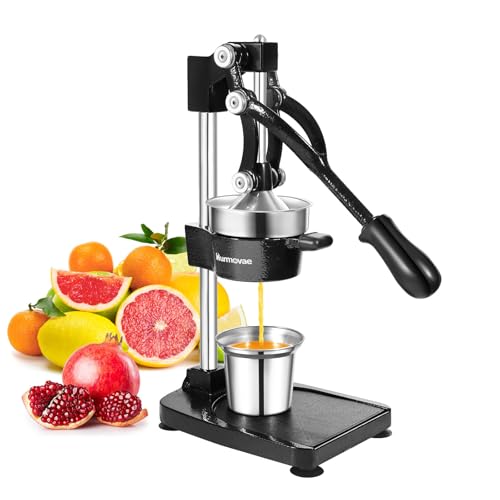
Hurmovae Cast Iron Manual Juicer
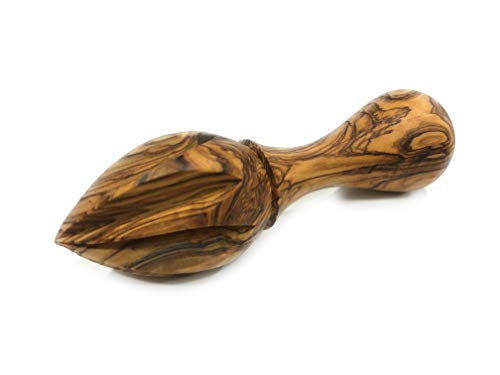
Trees Of The Land Olive Wood Reamer

iStarcas Stainless Steel Manual Citrus Squeezer, Silver
Inside Each Recommended Option
This is the simplest tool on the list, and that is exactly the appeal. The Culinary Fresh reamer is a single piece of beech wood turned into a tapered, ridged cone with a handle on the end. You press the cut side of a lemon half down onto the cone and twist, the ridges break the flesh, and the juice runs down into whatever bowl or glass sits beneath.
For anyone cooking in a small apartment or a cabin-style kitchen, the tool feels right at home next to a wooden spoon. It weighs almost nothing, so you can leave it in a utensil crock or tuck it into a drawer without a second thought. Most casual cooks will find it a charming replacement for the plastic reamer buried at the back of a gadget drawer.
Where It Delivers
- One-piece wood construction means no cracks, seams, or trapped pulp to clean
- The tapered cone handles limes, small oranges, and large lemons with equal ease
- Light enough to leave on the counter without crowding the workspace
- The natural wood grain gives the kitchen a warmer, hand-made feel
- Nothing to rust, dent, or bend under normal use
Worth Noting
- Wood should be hand-washed and dried upright, never soaked in a sink
- Less leverage than a hinged press, so very firm citrus takes more effort
- Juice yield falls short of what a metal press can pull from the same fruit
Whose Counter It Belongs On
This is the right pick for cooks who want a small, natural-feeling tool for one or two lemons at a time and care more about the look on the counter than maximum extraction.
Consider Something Else When
Anyone juicing several fruits a day will get tired of the manual twist and should reach for the Zulay Kitchen Stainless Steel Lemon Squeezer instead, which uses a hinged press to do the work in one motion.
The Zulay Kitchen squeezer is a classic hinged press, and the build is what most people picture when they hear “lemon squeezer.” It is a single piece of 18/8 stainless steel, the same grade used in good flatware, with a deep bowl on one end and a curved handle on the other. You drop a lemon half into the bowl, press the handles together, and juice pours out the spout.
For a household that goes through a lemon or two a day, this is the workhorse pick. The steel body feels substantial in the hand, and there is nothing to bend, crack, or wear out. Compared to the lightweight reamer that opened this list, the difference shows up the moment you press a thick-skinned Meyer lemon.
Strengths Worth Knowing
- Solid metal build stands up to daily use and drops onto the counter
- The deep bowl catches seeds, so juice stays clean for vinaigrettes and cocktails
- Works on limes, key limes, and small oranges with no adjustment
- Dishwasher safe, so cleanup is one less step at the end of cooking
Trade Offs
- All-metal handles can feel cold and slick with wet hands
- Larger than a reamer, so it needs a dedicated spot in a drawer
At A Glance
Best Suited To
Home cooks juicing multiple fruits a week, especially anyone making fresh dressings or cocktails where seed-free juice matters.
A Better Fit Elsewhere
Cooks with hand or wrist fatigue may want the Zulay Lemon Squeezer with Black Grip, which adds a coated handle to soften the squeeze.
This is the same Zulay press as the previous pick, finished in matte black instead of bare steel. The functional geometry is identical, so it accepts the same range of citrus and pulls the same kind of seed-free juice. What changes is the visual footprint in your kitchen, and for some shoppers that matters more than specs.
Matte black appliances and tools have been a popular countertop look, and this squeezer fits right in next to black faucets, espresso machines, and knife blocks. The coating does tend to show water spots more than the brushed steel version, so most owners find a quick towel dry keeps it looking fresh.
The Good Stuff
- Coordinated look with black or stainless kitchen hardware
- Same 18/8 steel core as the standard version for solid pressing power
- Deep bowl blocks seeds from sneaking into dressings or fish marinades
- Spout pours cleanly into a measuring cup or jar
Small Caveats
- Black finish shows fingerprints and water marks more than brushed steel
- Coating can wear at high-stress hinge points with very heavy use
Made For
Design-conscious cooks who already have matte black fixtures and want the juicer to disappear into the lineup rather than stand out as silverware.
Not Your Match When
Anyone prioritizing a maintenance-free finish should look at the standard Zulay Kitchen Stainless Steel Lemon Squeezer, which hides smudges better over time.
Zulay’s grip-equipped squeezer takes the same 18/8 steel press and adds a soft black sleeve over the handles. The shape, bowl depth, and pressing power mirror the standard version reviewed earlier, so you do not trade any juicing performance for the comfort upgrade. You simply press through a softer surface.
For anyone with arthritis, tendonitis, or just tired hands after a long day, that sleeve is the entire reason to pick this one. The trade-off is the same as with any coated handle: the grip can wear, harden, or slide off after years of dishwasher cycles. Most home cooks will get plenty of use before that becomes a concern.
Practical Advantages
- Coated handles reduce hand fatigue during long juicing sessions
- Better grip control with wet or oily hands
- Same seed-blocking deep bowl as the standard Zulay design
- Insulated grip feels less cold on winter mornings
Where It May Fall Short
- Grip sleeve may loosen or degrade faster than bare metal over time
- Bulkier handle takes up slightly more drawer space than the uncoated version
Feature Snapshot
Who Should Grab It
Anyone who feels hand strain after a few minutes of squeezing, or cooks who regularly process a dozen or more fruits in a single prep session.
Skip It When
Shoppers who prefer low-maintenance tools should consider the standard Zulay Kitchen Stainless Steel Lemon Squeezer, which has no sleeve to monitor.
The Tupperware squeezer is a small, two-piece plastic press with a green tint, designed to sit in a kitchen drawer and get occasional use. It is the lightest tool on this list and one of the smallest, so storage is essentially a non-issue. You pop a half lemon face-down into the cone, fold the lid over, and squeeze the whole thing in your fist.
This is a no-fuss option for casual cooks who juice a lemon a few times a month. Compared to the heavy steel presses earlier in this lineup, the trade is clear: you give up leverage, you give up durability, and you gain a tool that fits in a junk drawer and rinses clean in seconds. For most apartments and starter kitchens, that is a fair exchange.
What Pays Off
- Tiny footprint stores in a drawer, caddy, or even a camper kitchen
- Dishwasher safe plastic cleans up in one cycle
- Lightweight enough for kids learning to cook alongside a parent
- The cone shape handles limes and small lemons without adjustment
Less Ideal Details
- Plastic body can stain or scratch with heavy use over time
- Less leverage than metal presses, so juicing a whole bag of lemons is tiring
Right Fit For
Casual home cooks, dorm dwellers, and anyone who only needs fresh lemon juice a few times a month without taking up real drawer space.
Where Another Pick Suits Better
People who juice citrus daily will get more out of the iStarcas X-Large Manual Citrus Juicer, which handles bigger fruit and a higher volume with less hand strain.
The iStarcas X-Large is built for fruit that does not fit comfortably in a standard press. The bowl is wider and deeper than what you see on the Zulay squeezers, so grapefruit halves and oversized Meyer lemons drop in without folding or jamming. The body is 304 stainless steel (a food-grade alloy common in kitchen gear) and the handles carry a non-slip silicone sleeve for a firmer grip during big squeezes.
Anyone who shops for citrus based on what is in season will appreciate the flexibility. In winter, you can press navel oranges; in summer, the wide bowl takes care of backyard grapefruits without any finessing. For most standard lemons, the larger bowl is simply extra room rather than a benefit.
A Few Highlights
- Wide bowl fits grapefruit halves and large oranges with room to spare
- 304 stainless steel construction resists rust over years of use
- Silicone handles give a confident grip even with damp hands
- Spout directs juice cleanly into a glass or measuring cup
Honest Caveats
- Larger frame takes up more drawer space than a standard press
- For small limes, the bowl leaves unused space and reduces leverage
Quick Facts
Who It Suits Best
Cooks who buy citrus in bulk and switch between lemons, limes, oranges, and grapefruits throughout the week.
Look Elsewhere When
Shoppers who only press small limes and standard lemons will find the standard Zulay Kitchen Stainless Steel Lemon Squeezer more efficient on those fruits.
This iStarcas model sits in a useful middle ground between standard presses and the X-Large. The bowl is deep, so a half lemon sinks in fully, and the 304 stainless body matches the corrosion resistance of higher-end kitchen tools. It is a hinged press in the familiar two-handle format, designed for the cook who wants one reliable squeezer for a range of citrus without special features getting in the way.
The deep bowl matters more than people expect, because a shallow bowl can let juice escape before the lemon is fully pressed. This model keeps the juice contained long enough to drain cleanly into whatever you have placed beneath the spout. Compared to the Tupperware squeezer reviewed earlier, the experience is a clear step up in control and yield.
What Helps Most
- Deep bowl captures juice during the full press, reducing spillage on the counter
- 304 stainless steel body handles acidic citrus without pitting
- Compatible with lemons, limes, and small oranges in one motion
- Dishwasher safe for quick cleanup after juicing
Practical Considerations
- All-metal handles can feel slick without a silicone sleeve
- Larger than a basic press, so storage needs to be planned
Perfect Match For
Cocktail and vinaigrette makers who want maximum juice capture in one press without juggling a lemon over a glass.
Another Choice May Suit
Anyone wanting a softer hand feel should consider the Zulay Lemon Squeezer with Black Grip, which has coated handles for extra comfort.
The Hurmovae is a different kind of animal from the other picks here. It is a counter-height press, standing about 17 inches tall, with a 5-inch stainless steel funnel and a long lever arm that you pull down to extract juice. The body is cast iron, which is heavy on purpose, because the weight is what holds the press steady while you apply leverage through the handle.
This is the right tool when “a couple of lemons” turns into “a case of oranges for weekend brunch.” The lever design means very little hand strength is required, because the mechanical advantage of the long arm does the work for you. For pomegranate seeds or hard citrus, the wide funnel accepts the fruit without pre-cutting, which is a real time-saver during large prep sessions.
What Earns Its Place
- Lever action requires almost no grip strength, ideal for high-volume juicing
- Cast iron base anchors the press on the counter during heavy use
- Wide funnel accepts halved oranges, pomegranates, and large lemons
- Stainless steel contact parts resist acid corrosion over time
Points To Note
- Heavy and tall, so it needs permanent counter space or a dedicated cabinet spot
- Cast iron can rust if left wet, so thorough drying after washing is essential
- Overkill for anyone juicing one or two fruits at a time
Feature Snapshot
Who Will Love This
Entertainers, small-batch juicers, and anyone running a market stall or bar who needs clean, high-volume citrus output without a powered machine.
Reach For A Different Pick When
Casual home cooks making a few lemons’ worth of dressing will find the Hurmovae oversized and should look at the iStarcas X-Large Manual Citrus Juicer instead.
The Olive Wood reamer is a single piece of dark-grain olive wood, hand-shaped into a tapered juicing cone with a sturdy handle. The source notes the length is roughly 5.5 inches, and each piece has its own grain pattern, so two of these are never quite identical. It is the kind of tool that doubles as a kitchen ornament when not in use.
The honest read is that this works the same way a beech reamer works, but with a richer color and a slightly heavier feel. For a wedding registry, a hostess gift, or a personal upgrade from plastic, it carries more meaning than a generic tool. The wood needs occasional oiling, similar to a wooden cutting board, to keep it from drying out.
Noteworthy Benefits
- Each piece has a unique grain pattern, so no two reamers look the same
- Solid olive wood feels substantial without being heavy in the hand
- Long handle gives better leverage than shorter plastic reamers
- Pairs well with wooden spoons, boards, and bowls for a matched kitchen look
Worth Bearing In Mind
- Needs occasional oiling to prevent the wood from drying or cracking
- Hand wash only, as soaking can warp or split the wood
- Less juice per press than a metal hinged design
Built With In Mind
Cooks who appreciate hand-made objects and want a gift-worthy tool that ages beautifully with light care.
Swap It Out When
Anyone needing maximum juice from each fruit should pick the Zulay Kitchen Stainless Steel Lemon Squeezer, which uses leverage to pull more out of every lemon.
The silver iStarcas squeezer rounds out the list as a simple, no-frills lever press. It is stainless steel throughout, with a slim profile and an ergonomic handle designed to make the squeeze feel natural even when you are working through a pile of fruit. The press teeth are cut to break the inner pulp without tearing the rind.
For first-time juicers, this is a low-risk entry point. You get a real metal press at a manageable size, and the silver finish hides smudges better than the black option. You may find the lever arm slightly less powerful than the heavier 18/8 presses earlier in the list, but for routine kitchen use it is more than enough.
What Works In Its Favor
- Slim profile fits into tighter drawers than chunkier presses
- Stainless steel construction cleans up under running water in seconds
- Ergonomic handle keeps the squeeze motion natural for most hands
- Silver finish resists visible fingerprints during regular use
Honest Caveats
- Lightweight body flexes slightly under very firm citrus
- Bowl is shallower than the deep iStarcas model, so large lemons may need extra pressure
The Right Fit
New cooks setting up a first kitchen, or anyone replacing a worn plastic squeezer with something sturdier without committing to a heavy-duty press.
A Better Fit Elsewhere
High-volume juicers will want the Hurmovae Cast Iron Manual Juicer, which uses a long lever arm to handle big batches with far less hand effort.
Matching A Juicer To Your Cooking Style
The right lemon juicer depends on how often you actually reach for citrus, what kinds of fruit you buy, and how much counter space you can spare. Hinged metal presses are the most common choice for a reason, but a wood reamer or a lever model can be a smarter fit in the right kitchen.
Volume And Frequency
Cooks who juice a lemon or two a week for salad dressings or morning water can get by with a small, light reamer or a compact plastic press. Households that run through a bag of citrus every week will benefit from a heavier steel squeezer with a deep bowl, which pulls more juice with less hand strain. Anyone hosting brunches, pressing for a small business, or juicing for a multi-day cleanse will find a lever press worth the counter space.
Material And Care
Stainless steel presses hold up to dishwasher cycles and resist the citric acid that slowly pits lesser metals. Wood reamers look beautiful and feel warm in the hand, but they need hand washing, drying upright, and an occasional rub with food-safe oil to prevent cracking. Plastic tools are the lightest and cheapest, though they tend to stain and lose their shape over time. Pick the material that matches the care you are willing to give.
Size And Citrus Variety
A standard press handles lemons, limes, and small oranges without trouble. If you regularly work with grapefruits, pomelos, or oversized Meyer lemons, look for a model with a wider bowl. For mixed households where someone is juicing key limes while another is squeezing navel oranges, a versatile mid-size press covers both ends well enough.
Ergonomics And Grip
Anyone with arthritis, carpal tunnel, or simply tired hands should look for a squeezer with coated or cushioned handles. Bare metal can feel cold and slick, and a full session of pressing can leave palms sore. Lever-style presses sidestep the issue entirely by using mechanical advantage rather than grip strength, which is why commercial kitchens lean toward them.
Picking With Confidence Across This Lineup
Pitfalls Shoppers Hit
The most common mistake is buying for the biggest fruit you might ever juice and ending up with a press that feels oversized for daily use. Another is overlooking handle comfort, which only becomes obvious after a few minutes of squeezing. Some shoppers also forget to check whether the spout lines up with their measuring cup or glass, leading to drips down the side of the container. Before choosing, consider the smallest fruit you regularly juice as carefully as the largest, and think about how the tool will sit in your hand during a long prep session.
Where The Extra Money Goes
Higher-tier options in this category usually add a deeper bowl, a heavier gauge of steel, a coated handle, or a full lever mechanism. Those upgrades matter most when you are juicing often, when hand fatigue is a concern, or when you want a tool that will still look good on the counter after years of use. For casual cooks, a mid-range stainless press delivers most of the benefit at a lower cost, and the upgrade to a premium model is only worth it once juicing becomes a regular kitchen task.
Frequently Asked Questions
What Is The Best Type Of Lemon Juicer For Home Use?
Hinged stainless steel presses are the most popular choice because they pull more juice per lemon, resist rust, and clean up easily. Wood reamers work well for occasional use, and lever models suit cooks who juice large amounts of citrus.
How Do You Clean A Lemon Juicer?
Most metal presses are dishwasher safe, though a quick rinse under running water handles the job in seconds. Wood reamers need a hand wash, immediate drying, and an occasional coat of food-safe oil to prevent cracking. Always rinse right after use to stop acid from sitting on the surface.
Can One Juicer Handle Both Lemons And Limes?
Yes, most manual presses are designed to fit both. The bowl size of a standard press is wide enough for a halved lemon and a halved lime, and the press teeth break the pulp of either fruit without adjustment. For larger fruit like oranges or grapefruits, a wide-bowl model is a better match.
Are Wooden Lemon Juicers Better Than Metal Ones?
Wooden reamers feel warm in the hand and look beautiful on the counter, but they extract less juice per press and need more careful maintenance. Metal presses give you more leverage, last longer under heavy use, and clean up faster. Pick the material that matches how often you actually juice.
What Size Bowl Do You Need For Grapefruit?
A standard lemon press is too narrow for most grapefruits, so you will need a wide-bowl model or a lever press with a large funnel. Anything labeled “X-Large” or with a bowl of about 5 inches across should handle a halved grapefruit without folding the fruit.
Wrap Up
The right lemon juicer is the one that matches how often you cook, what fruit you buy, and how much effort feels reasonable on a busy weeknight. For most kitchens, a hinged stainless steel press with a deep bowl hits the sweet spot between effort and yield. If you only need citrus once in a while, a wood reamer or compact plastic squeezer will do the job without taking up real space. Pick the tool that fits your routine, give it a quick rinse after each use, and it should stay in service for years.



