

Beets are the test every juicer quietly fears. The dense, earthy root chews through underpowered motors, stains every surface it touches, and punishes any machine that runs too hot. Run a beet through a cheap centrifugal spinner and you’ll get warm, frothy liquid that has already started losing color and character. Run it through a proper slow juicer and you’ll get a deep ruby glass that holds onto its sweetness. This list is built for people who want that second result, whether you’re juicing a single beet for a health shot or working through a five-pound haul from the farmers’ market.
The Leading Options At A Glance

Hurom H70 Cold Press Juicer (Black)

SJ-068 Cold Press Juicer, 400W 3-in-1
Anybear Cold Press Juicer 200W Slow Juicer

Hurom H330 Cold Press Juicer (Charcoal)

Hurom H330 Cold Press Juicer (Ivory)
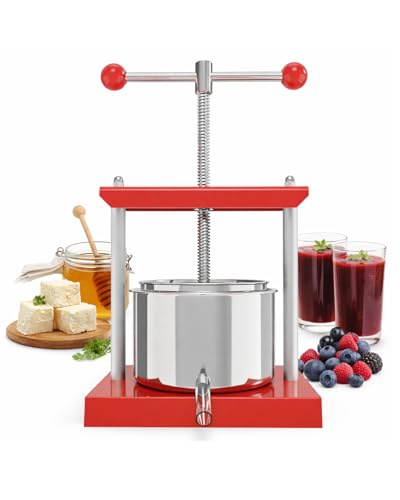
EJWOX 0.53 Gallon Manual Press
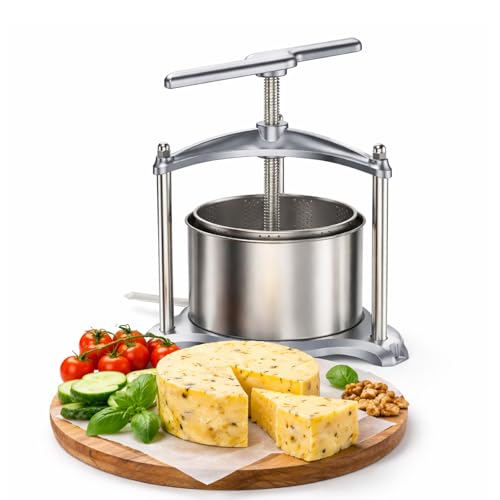
EJWOX Manual 0.8 Gallon Press

Hurom H400 Cold Press Juicer (White)
Inside Each Recommended Option
The Hurom H70 is a small-footprint slow juicer that quietly outclasses bigger machines on cleanup. Its single-auger, strainer-free chamber is the real story: where most masticating juicers (machines that crush and press produce slowly to limit heat and oxidation) rely on a fine mesh filter that traps pulp and mineral residue, the H70’s two-part auger system pushes pulp out on its own. For beet juice specifically, that means fewer beet-tinted crevices to scrub after a long run.
You trade some throughput for that convenience, so a five-pound beet session takes longer than it would on the H330. For a single person juicing a few roots at a time, though, the speed rarely feels limiting. The wide hopper is generous for a compact model, and the unit tucks into a tight apartment kitchen with room to spare.
Notable Upsides
- Strainer-free chamber rinses clean in well under a minute, no mesh scrubbing.
- Compact footprint suits galley kitchens and small countertops.
- Slow press protects color and flavor in dense roots like beets.
- Wide hopper cuts down on pre-cutting for most produce.
Things To Consider
- Smaller batch size means longer sessions when juicing a lot at once.
- Pulp tends to collect along the chamber rim, so a quick brush is still part of the routine.
Key Specs
Who It Suits Best
Solo juicers in small apartments who want a tidy machine that handles a beet or two on a weekday morning without a long cleanup.
Where Another Pick Suits Better
The Hurom H330 (Charcoal) makes more sense for households running big weekend batches, thanks to its larger self-feeding hopper.
Where the H70 focuses purely on juicing, the SJ-068 leans into versatility. It runs as a juice press, a nut-milk maker, and a frozen-fruit sorbet machine, so it pulls double duty in kitchens where counter space is too precious for single-purpose gadgets. The 400W motor gives beets enough torque to push through without bogging down, and the reverse function (which lets the auger spin backward to clear jams) is genuinely useful when a stubborn chunk wedges in mid-press.
The 80-ounce capacity is a standout for the size class, and the BPA-free parts address the most common safety question shoppers raise about slow juicers. If you find that the H70’s single-vegetable focus leaves you wanting more from your machine, the SJ-068 is a clear step up in scope.
What Pays Off
- Three functions in one machine, juice, nut milk, and sorbet.
- 400W motor handles dense beet loads without stalling.
- Reverse function clears clogs quickly mid-session.
- Large 80-ounce capacity reduces refill stops during batch juicing.
Worth Noting
- More parts to wash than single-purpose juicers, especially after sorbet runs.
- Larger footprint than the H70, so it needs dedicated counter or cabinet room.
Made For
Home cooks who want one appliance that juices beets on Monday, makes almond milk on Wednesday, and turns out frozen sorbet on Friday.
Look Elsewhere When
The Anybear Cold Press Juicer is a friendlier pick for shoppers on a tighter budget who just need a straightforward beet juicer.
The Anybear lands as a confidence-builder for anyone new to slow juicing. The 4.3-inch feed chute is wider than what you typically find on entry-level masticating juicers, so a beet can often go in halved rather than quartered. The 200W motor with reported 180 newton-meters of torque keeps the auger moving through tough roots, and the 65 RPM pace preserves the deep color that makes beet juice worth making at home.
The included recipe guide is a small but useful touch, especially for first-timers who haven’t yet built a rotation of carrot-beet-ginger blends. The Anybear won’t out-yield the H330 on a five-pound load, but for a curious beginner juicing twice a week, it covers the bases without asking for premium-tier money.
Useful Highlights
- Wide 4.3-inch feed chute cuts down pre-cutting time.
- Slow 65 RPM press keeps beet juice vibrant and cool.
- Included recipe guide helps beginners build a juicing routine.
- Strong torque for the price class, handles beet loads well.
Trade Offs
- Single-purpose design, no nut milk or sorbet modes.
- Smaller yield than the H330 when juicing large batches in a row.
Feature Snapshot
Right Fit For
Beginners and budget-focused shoppers who want a reliable beet juicer without paying for premium features they won’t use yet.
Consider Something Else When
The SJ-068 is the smarter pick if you want one machine that also handles nut milk and sorbet alongside beet juice.
For households that treat juicing like a Sunday ritual, the Hurom H330 in charcoal is the workhorse pick. Its 2-liter self-feeding hopper is the headline feature: drop in whole apples, carrots, and trimmed beets, press start, and walk away. That hands-free approach makes a real difference when you’re trying to juice for three or four people without standing over the machine the whole time.
The slow-squeeze process pulls a deep, opaque beet juice that holds onto its color, and the quiet motor means you can run it during breakfast conversation without raising your voice. The charcoal finish hides beet splatter better than white or ivory models, which is a small but real win after a long session.
Real-World Strengths
- 2-liter hopper handles whole produce, no pre-cutting needed.
- Quiet motor keeps the kitchen calm during early-morning runs.
- Charcoal finish hides beet stains between cleanings.
- Long 15-year warranty signals serious build confidence.
Points To Note
- Large footprint demands permanent counter or storage space.
- Higher price tier than the H70 or Anybear options.
Quick Facts
Who Will Love This
Families and dedicated home juicers who batch large volumes on weekends and want a machine that runs itself.
Skip It When
The Hurom H70 makes more sense for solo juicers working with limited counter space and smaller portions.
The ivory version of the H330 shares every spec with its charcoal sibling, so the choice between them comes down to kitchen style and tolerance for visible beet splatter. Ivory looks brighter on a light countertop, but you’ll be wiping beet drips more often to keep it photo-ready. Functionally, you get the same 2-liter self-feeding hopper, the same slow-squeeze action, and the same hands-free operation that made the H330 a favorite for batch juicers.
If you tend to juice before the rest of the household is up, the quiet motor earns its keep. A standard centrifugal juicer (a high-speed spinner that uses a mesh blade to fling juice out of the produce) roars; the H330 hums. That alone changes whether juicing feels like a chore or a calm start to the morning.
A Few Highlights
- Whole-produce hopper means no knife work before each batch.
- Quiet enough for early-morning or open-plan living.
- Slow press protects flavor and color in deep roots.
Honest Caveats
- Light finish shows beet stains, needs prompt wiping.
- Full-size unit, not ideal for very small kitchens.
Perfect Match For
Households that want a hands-off batch juicer and prefer a lighter finish on the counter.
Swap It Out When
The Hurom H400 fits better if low-pulp, high-clarity beet juice is the priority over batch size.
The EJWOX manual press is a different animal from the electric juicers on this list, and you should know that going in. It’s built for soft fruit, herbs, and small-batch pressing projects, not for shredding dense beet roots. A centrifugal or masticating juicer handles beets far more efficiently. Where this press earns its place is alongside the juicers: it’s a quiet, no-electricity tool for tinctures, herb infusions, and pressing honey or soft berries into clean liquid.
The stainless steel body holds up to frequent washings, and the included filter bag keeps solids out of the final pour. The compact top-handle design stores in a drawer or on a shelf, and the 0.53-gallon capacity suits small batches without wasted effort.
What It Does Well
- Manual operation, no power outlet or noise required.
- Stainless steel body resists stains and odors.
- Filter bag produces clean, sediment-light output.
- Tidy size for herb, honey, and soft-fruit projects.
Points To Keep In Mind
- Not designed for hard roots like beets, manual force is impractical.
- Small batch capacity means multiple loads for bigger projects.
Best Suited To
Home herbalists, hobbyist fermenters, and small-batch tinkerers who need a clean manual press for soft produce and infusions.
Reach For A Different Pick When
The Anybear Cold Press Juicer is the right tool for actually juicing beets, since this press isn’t built for hard roots.
The 0.8-gallon EJWOX press steps up from the smaller manual model with a heavier-duty screw system that delivers consistent, even pressure. That makes it well suited to cheese, tofu, and vegetable dehydrating, where you need sustained force rather than quick squeezes. The stainless basket and included filter bags handle the moisture without warping or staining.
Like its 0.53-gallon sibling, this press is not a beet juicer. Hard roots will not crush effectively under a manual screw. Its real value is as a companion tool in a kitchen that already has a proper electric juicer and wants to round out its fermentation and pressing work.
What Earns Its Place
- Heavy-duty screw system applies steady, even pressure.
- 0.8-gallon capacity suits medium batches of cheese or tofu.
- Stainless basket holds up to repeated wash and use.
- Multi-functional for dehydrating, tinctures, and infusions.
Softer Spots
- Not designed for hard produce like beets, despite the juicer-list context.
- Manual operation takes real arm effort on large loads.
At A Glance
Built With In Mind
Home cheesemakers, tofu makers, and fermenters who want a sturdy manual press to pair with their electric juicer.
A Better Fit Elsewhere
The Hurom H400 is a stronger pick if the goal is a high-clarity, low-pulp beet juice with minimal effort.
The Hurom H400 is the texture-first option on this list. Its two-part auger meshes together to strain out pulp without a separate mesh filter, which is why the resulting beet juice comes out closer to a clear ruby than a pulpy blend. People who find standard slow-juicer beet juice too gritty tend to land on the H400 for exactly this reason. Easy assembly rounds it out for anyone who doesn’t want to wrestle with parts before each run.
It sits at a higher price tier than the H70, but the smoother output and lower-pulp pour justify the step up for daily beet juicers. The wide-mouth hopper handles beets without heavy prep, and the slow-squeeze action preserves the enzymes and color that beets are prized for.
What Works In Its Favor
- Two-part auger design produces notably low-pulp juice.
- Slow press limits oxidation for fresher-tasting beet juice.
- Wide hopper reduces pre-cutting on most produce.
- Easy assembly means less fiddling before each session.
A Few Limitations
- Premium-tier pricing compared to the H70 and Anybear.
- White finish shows beet staining if not wiped down quickly.
- Slower throughput than the larger H330 on big batches.
Whose Shelf It Belongs On
Daily beet juicers who prioritize a smooth, low-pulp pour and don’t mind paying more for cleaner output.
Not Your Match When
The Hurom H330 (Charcoal) is the smarter buy for big-batch households where volume matters more than texture finesse.
What Matters Most In A Beet Juicer
Masticating slow juicers win the beet category because they crush rather than spin. A centrifugal juicer runs at high RPM, which heats the juice, froths it, and accelerates oxidation (the breakdown of nutrients and color when juice meets air). A slow masticating auger squeezes the beet under steady pressure, keeping the liquid cool and the color dense. For a root as pigment-rich as beet, that difference is visible in the glass.
Torque matters more than peak wattage. A 200W motor with high torque pushes through beets better than a higher-wattage motor with less gearing. Look for specs that mention RPM in the 40–80 range, slow enough to limit heat but not so slow it stalls on dense roots.
Chute size changes your prep routine. A wide hopper accepts halved beets; a narrow one demands quartered pieces and a sharp knife every time. If you juice frequently, the prep step matters more than the spec sheet suggests.
Cleanup is the hidden cost of juicing. Beets stain everything, so a machine that rinses clean in under a minute saves more time over a year than almost any other feature. Strainer-free chambers and fewer parts help. Storage footprint also counts, since a juicer that lives on the counter gets used more than one that lives in a back cabinet.
Picking The Right Match For Your Kitchen
Pitfalls Shoppers Hit
Treating wattage as the main quality signal leads people to skip slow juicers in favor of cheaper high-RPM machines. Beets are exactly where that choice goes wrong: the resulting juice loses color, froth, and nutrient density fast. A second common miss is ignoring chute size and then getting frustrated by constant knife work. Third, shoppers often overlook the assembly and disassembly routine, which becomes the daily friction point that decides whether a juicer gets used or ends up in a closet.
When Paying More Pays Off
The premium tier in slow juicers typically buys you easier cleanup, larger hoppers, quieter motors, and longer warranties. For daily beet juicers, those upgrades compound quickly: less time scrubbing, fewer batches abandoned because the prep took too long, and a machine that runs through years of regular use. The H400 and H330 are where that extra money shows up in the daily experience rather than in a spec line.
Frequently Asked Questions
Are masticating juicers better for beets than centrifugal ones? Yes. Masticating juicers run slow and cool, which keeps beet juice vibrant, low in froth, and rich in color. Centrifugal juicers spin fast, heat the juice, and lose pigment and nutrients to oxidation.
How fine do I need to cut beets before juicing? With a wide-mouth hopper like the H70 or H400, halved beets usually feed through without further cutting. Narrow-chute machines require quartered or smaller pieces, so plan on more knife work.
Will beet juice stain my juicer? It can, especially on light-colored finishes. Wiping the chamber right after each run and rinsing parts quickly prevents most long-term staining. Charcoal or dark finishes hide splatter between cleanings.
How often should I clean a beet juicer? Clean after every session. Beet pulp dries hard, and dried beet residue is far harder to remove than fresh pulp. A quick rinse and brush takes under a minute if done right away.
Can slow juicers handle beet greens too? Most can, especially models with strong torque like the Anybear or H330. Feed greens in small handfuls mixed with harder produce to keep the auger moving and avoid tangling.
The Takeaway
The right beet juicer comes down to how often you juice, how much counter space you have, and how much cleanup you’re willing to accept. Small-space juicers should lean toward the H70, big-batch households toward the H330, and texture-focused daily drinkers toward the H400. Match the machine to your real routine, and beet juice stops being a project and becomes a habit.



