

Hunting for Indian mixer grinders in the USA often means settling for a generic blender that mushes chutney instead of crushing it, or risking an import that burns out on 110V. The picks below were chosen specifically for North American kitchens, where voltage compatibility, jar versatility, and motor durability under daily masala workloads matter far more than flashy spec sheets.
The Lineup, Simplified

Vidiem Eva Nero Mixer Grinder 650W 110V
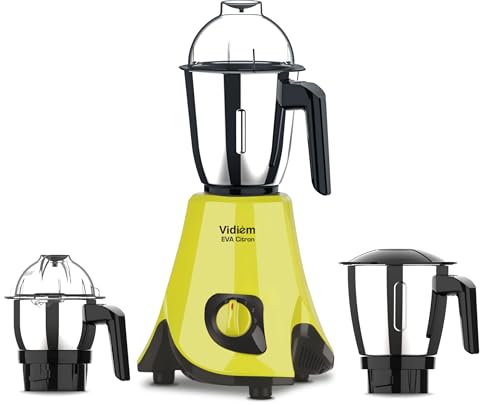
Vidiem Eva Citron Mixer Grinder 550W 110V
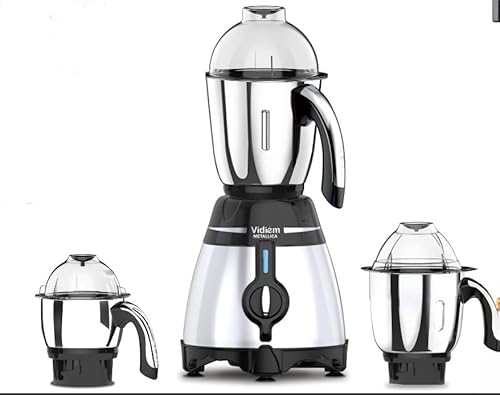
Vidiem Metallica Steel 750W 110V Mixer Grinder

FAOFER Electric Spice and Nut Grinder 500W
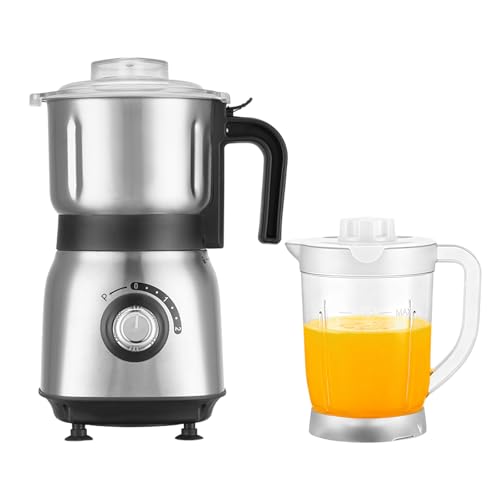
FAOFER Mixer Grinder with 750ml Juicer Cup (Black)

FAOFER Mixer Grinder with 750ml Juicer Cup (Green)
A Breakdown Of The Leading Choices
The Vidiem Eva Nero lands in the sweet spot most home cooks in North America actually need. A 650W motor running on genuine 110V means no voltage converters eating up counter space or frying the unit, and the 110V rating is one of the single most important checks when buying Indian mixer grinders in the USA.
Three variable speeds plus a pulse mode cover the usual South Indian repertoire: idly and dosa batter, wet masala pastes, coconut chutney, and the occasional milkshake. Compared with the lower-wattage Citron below, the Nero has noticeably more headroom for thick batters, which is the common reason shoppers upgrade.
Useful Strengths
- 110V native operation, no step-down transformer required
- 650W motor handles wet grinding and thick batters without stalling
- Pulse mode gives control for coarse chutneys and rough grinds
- Self-locking jar design (a small but real safety plus during assembly)
- Versatile enough for dry spices, wet pastes, and cold drinks in one unit
Things To Consider
- Lacks the raw power of the 750W Metallica for very large dosa batches
- Plastic body panels can scratch with rough cleaning pads over time
Key Specs
Right Fit For
Indian home cooks in the US who cook for a family of three to five and want a reliable daily driver for batter, masala, and chutney without overspending.
Consider Something Else When
Shops grinding large weekly batches of idly batter for a big household should look at the Vidiem Metallica Steel 750W 110V instead, since its higher wattage shortens long runs.
The Eva Citron is the smaller sibling to the Nero, and it shows up in the US market as a friendlier entry point for new arrivals or smaller households. The UL-certified motor is the detail worth pausing on, since UL (Underwriters Laboratories) testing signals the electrical components meet recognized North American safety standards, which some imported units skip entirely.
For couples or single cooks who only grind masala and chutney a few times a week, 550W is honestly enough. You’ll notice it labor more than the Nero when pushing a full jar of thick dosa batter, but for everyday wet and dry work it stays within its lane.
Where It Delivers
- UL-certified motor adds peace of mind on a 110V kitchen circuit
- Lower price tier makes it accessible for first-time Indian mixer grinder shoppers in the US
- Lightweight and easy to store in a cabinet between uses
- Handles typical chutney and masala tasks without issue
Trade Offs
- 550W is the floor for serious wet grinding, and large idly batter batches take longer
- Fewer speed settings than higher-tier Vidiem units, so texture control is more limited
- Not the right tool for daily catering-style loads
Feature Snapshot
Made For
Singles, couples, or small families cooking Indian food a few nights a week rather than every day.
Look Elsewhere When
Anyone running thick batters every morning should step up to the Vidiem Eva Nero 650W for the extra torque it offers.
The Metallica Steel is the most overbuilt option in this lineup, and the steel-bodied construction is what separates it from the Eva series right away. Heavier on the counter, but that mass isn’t decoration: it dampens vibration during long wet-grinding runs and gives the motor a stable base when you’re pushing dense batters.
At 750W, this is the unit for shoppers who host weekend brunches, run a tiffin routine, or just want a quieter, calmer machine that doesn’t whine under load. The included free service kit is a small but useful perk for owners who’d rather handle basic maintenance themselves.
Positive Points
- 750W motor cuts grinding time noticeably on thick batters
- Steel body adds durability and reduces walking on the counter
- Enhanced airflow design supports longer continuous runs
- Free service kit included for routine upkeep
Points To Keep In Mind
- Heavier than the Eva models, so storage and moving matter more
- Jars are not dishwasher safe, requiring hand washing to protect seals
- Higher price tier than the Nero or Citron
Quick Facts
Who It Suits Best
Large Indian families and frequent entertainers who run the grinder hard several times a week and value long-term durability.
Skip It When
Occasional cooks who only blend chutney on weekends will find the Vidiem Eva Citron 550W 110V a more comfortable size and price match.
Stepping away from the full-size mixer grinders, the FAOFER spice and nut grinder serves a totally different role in an Indian kitchen. It’s a dedicated dry grinder, built around three stainless steel blades, a filter for finer powders, and a cleaning brush, which makes daily masala prep faster than dragging out a big jar.
For shoppers who already own a blender for wet work and just want a fast, small unit for spices, coffee, and nuts, this lands in a useful niche. The 500W motor handles cinnamon sticks and cumin without bogging down, and the included filter helps separate coarser bits for a smoother chili or sambar powder.
Positive Takeaways
- Three-blade stainless design grinds dry spices quickly and evenly
- Compact footprint suits small US apartments and dorm-style kitchens
- Included filter produces finer powders for sambar and garam masala
- Brush included simplifies cleaning between strong-flavor batches
Honest Caveats
- Dry-use only, so it can’t replace a full mixer grinder for wet batters
- Smaller capacity means multiple rounds for big-batch grinding
Best Suited To
Apartment dwellers and spice lovers who want a focused tool for masala, coffee, and nuts without the bulk of a full-size unit.
A Better Fit Elsewhere
Anyone wanting a do-it-all appliance for idly batter and chutney should choose the Vidiem Eva Nero 650W 110V instead.
This FAOFER unit pulls double duty by pairing a dry grinding cup with a separate 750ml fruit juicer cup, which is a useful twist for kitchens that want one appliance on the counter instead of two. The dry cup takes care of coffee, grains, and spices, while the juicer cup handles fresh fruit for morning glasses of juice.
It’s not going to replace a heavy wet-grinding mixer for dosa batter, but for the breakfast-and-snack side of an Indian routine it earns its space. Storage is easier than juggling two appliances, and the detachable cups make it simple to swap functions between tasks.
Benefits That Matter
- Two specialized cups in one base, saving counter and cabinet space
- Dry grinding cup handles coffee, nuts, and dried spices effectively
- Separate juicer cup avoids flavor cross-contamination
- Detachable design makes cleaning between uses straightforward
Less Ideal Details
- Not designed for wet batters like idly or dosa, so a separate grinder is still needed for full Indian cooking
- Plastic components may show wear with heavy daily use
Who Should Grab It
Shoppers who mostly want spice grinding plus fresh juice and don’t need heavy wet batter work.
Reach For A Different Pick When
Cooks focused on full Indian meals should pair the Vidiem Metallica Steel 750W 110V with a separate juicer for serious grinding needs.
The green variant of the FAOFER combo shares its core hardware with the black model above, swapping only the finish for shoppers who care about matching their kitchen palette. Same dry grinding cup, same 750ml juicer attachment, same overall approach to a compact two-in-one setup.
Worth picking this one specifically when color coordination with other small appliances matters, or when the green version happens to be the available colorway at the moment of purchase. Functionally, the two color options are interchangeable.
Where It Helps
- Same dual-cup versatility as the black version
- Green finish offers a fresh look in kitchens with neutral or white appliances
- Compact design works well in studios and small US apartments
- Easy cup swap between grinding and juicing tasks
Small Caveats
- Still limited for heavy wet batters, just like the black variant
- Color availability may be inconsistent across sellers
Perfect Match For
Style-conscious shoppers who want a grinder-juicer combo and prefer a green finish to coordinate with their kitchen decor.
Another Choice May Suit
Anyone wanting identical function without color preference should default to the black FAOFER combo with the 750ml juicer cup for the same performance.
What Matters Most Before Choosing Indian Mixer Grinders In Usa
Voltage is the single most overlooked detail. Indian mixer grinders are designed around 220-240V markets, so units sold legitimately in the US need to be 110V native or ship with a proper step-down transformer. Skip that check and the motor burns out within months.
Motor wattage shapes everyday use more than any other spec. Anything under 500W struggles with thick batters, while 650-750W handles the full South Indian range with ease. Jar configuration matters too: a 1.5L wet jar, a 1L dry jar, and a small chutney jar cover most households.
Build materials, jar locking, and serviceability round out the decision. Steel-bodied units last longer, dishwasher-safe jars simplify cleanup, and brands with a US service presence make warranty claims less painful when something does go wrong.
Key Considerations Across These Picks
Traps First Timers Fall Into
The classic mistake is buying a 220V Indian model on a marketplace listing and assuming a cheap converter will handle the load. Converters rated for short hair dryer use will not survive a 750W grinder running for ten minutes, and the fire risk is real.
Another common slip is underestimating how often you’ll grind wet batters. A 500W dry-only spice grinder is a great complement, but it cannot do what a full mixer grinder does, so matching the appliance to your real weekly routine matters more than chasing a lower price.
What The Higher Tier Buys
Stepping up to 750W and a steel body, like the Vidiem Metallica, brings quieter operation, faster wet grinding, and a base that doesn’t walk across the counter during a long run. The added airflow design and stronger motor also tend to extend product life under heavy use.
For shoppers who cook Indian food daily or in larger volumes, that upgrade pays back through time saved and fewer replacements. For occasional cooks, the lower-tier picks stay sensible and keep budgets intact.
Frequently Asked Questions
Are 110V Indian mixer grinders safe to use in the US?
Yes, when the unit is genuinely rated for 110V. Look for explicit “110V” labeling and, ideally, UL or ETL certification on the motor to confirm it meets North American electrical safety standards.
How many watts do I need for idly and dosa batter?
650W is the comfortable starting point for consistent South Indian batters. 550W works for smaller batches, while 750W shortens the time and reduces strain on the motor during large weekly prep.
Can a spice grinder replace a full mixer grinder?
Not for wet work. Dedicated spice grinders like the FAOFER 500W are excellent for dry masala, coffee, and nuts, but they cannot handle wet batters or large chutney volumes the way a proper mixer grinder can.
What’s the difference between plastic and steel body models?
Steel bodies add weight, durability, and reduced vibration, which helps during long grinding runs. Plastic bodies are lighter, easier to move, and usually less expensive, but they tend to show wear sooner with heavy use.
How do I clean Indian mixer grinder jars in the US?
Most jars benefit from hand washing rather than dishwasher cycles, especially those with rubber gaskets. A small brush, warm water, and a quick dry before reassembly help extend seal life and prevent lingering odors between uses.



