

You want fresh juice without hauling out a heavy electric machine every morning, and the right handheld tool makes that easy. The eight picks below span simple wooden reamers for a single lemon to manual fruit presses built for batch cheese and wine work. Choosing the wrong one means wasted pulp, sore hands, or juice that ends up full of seeds, so the right match depends entirely on what you’re actually squeezing.
A Snapshot Of The Selections

OLIKIUS Beech Wood Citrus Reamer Handheld Juicer
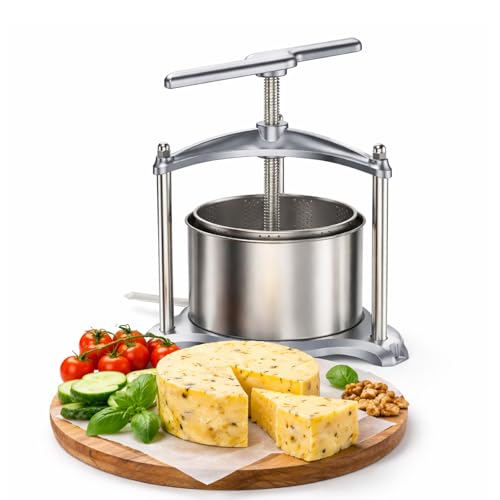
EJWOX Manual Cheese Press 1.6 Gallon Stainless Steel

Tupperware Lemon Lime Squeezer Green

Dreamfarm Fluicer Fold-Flat Citrus Juicer (Lime)

Dreamfarm Fluicer Fold-Flat Citrus Juicer (Lemon)

EJWOX Manual Fruit and Cheese Press with Steel Basket

EJWOX 1.6 Gallon Manual Press 6L Stainless Steel
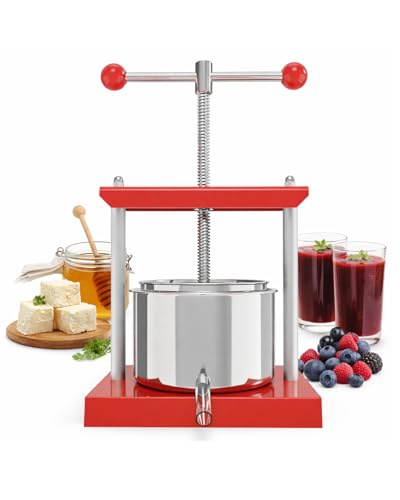
EJWOX 0.53 Gallon Manual Press Stainless Steel
A Breakdown Of The Leading Choices
Nothing fancy about this reamer, and that’s the appeal. The OLIKIUS Beech Wood Citrus Reamer is a single molded piece of hardwood with sharp ridged ribs that you twist into a halved lemon or orange to release juice. The wood feels warm in the hand and won’t scratch your cookware, which makes it a friendly tool for renters or anyone who just wants one reliable squeezer.
For someone squeezing a single lemon for fish or a couple of oranges for fresh juice on a slow weekend, this fits the bill. It doesn’t have the capacity of the larger presses on this list, but it also doesn’t take up drawer space or need disassembly. The trade-off shows up when you try to push through anything bigger than a grapefruit half, where the small reaming surface becomes a workout.
The Helpful Details
- Solid beech wood construction feels sturdy and won’t react with citrus acids the way some metals can.
- Ridged ribs dig into fruit pulp efficiently, so a few twists release a surprising amount of juice.
- Compact size stores in a utensil drawer or sits in a fruit bowl without cluttering the counter.
- No moving parts means nothing to break, lose, or disassemble for cleaning.
Things To Consider
- Wood requires hand washing and thorough drying to prevent cracking over time.
- Not ideal for high-volume juicing, since the small reaming surface limits each session.
Feature Snapshot
Made For
Casual home cooks who squeeze one or two citrus fruits at a time and value a simple, long-lasting tool.
Consider Something Else When
Heavy-batch juicers should reach for the EJWOX 1.6 Gallon Manual Press instead, which handles far larger volumes in a single session.
The EJWOX Manual Cheese Press is built for steady, repeatable pressure rather than quick citrus work. A heavy-duty screw system drives a perforated stainless basket, and filter bags help separate liquids from solids, which is why this lands on the list despite being framed as a cheese press.
It suits home cheesemakers and tofu makers who want firm curds without buying commercial equipment. Herbalists also use it for tinctures, since the same press-and-filter logic applies. One thing worth considering is the size, because 1.6 gallons of capacity means a real commitment of counter or shelf space.
The Good Stuff
- Stainless steel basket resists rust and handles repeated contact with whey, brine, and oils.
- Screw-driven pressure delivers even, consistent force, which matters when pressing paneer or firm tofu.
- Filter bags reduce the chance of solids slipping into the finished liquid.
Trade Offs
- Not intended for hard fruits like apples, so it can’t double as a general cider press.
- Cleaning the basket and bags after pressing curds takes a bit of effort compared to rinsing a simple reamer.
- The 1.6-gallon frame is bulky for small kitchens.
Built With In Mind
Home cheesemakers, paneer cooks, and beginner tofu makers who want consistent results without electric equipment.
Where A Sibling Pick Shines
Anyone primarily pressing soft fruit like grapes or berries will get a better fit from the EJWOX 0.53 Gallon Manual Press, which is smaller and easier to manage for those tasks.
The Tupperware Lemon Lime Squeezer has been a kitchen counter fixture for decades, and the Zirton-style design has earned that reputation. The hinged bowl cradles a halved lime or lemon, and pressing the handles together extracts juice while catching seeds and pulp in the bottom cone.
This is the right tool when you need a quick wedge of lime for guacamole, a splash of lemon for dressing, or a round of citrus for water. It’s dishwasher safe, so cleanup is genuinely easy, and the bright green color is easy to spot in a busy drawer. The honest read is that it works beautifully for its intended size and gets unwieldy with anything bigger than a small lemon.
Positive Takeaways
- Hinged design delivers strong leverage with minimal hand fatigue.
- Dishwasher safe construction simplifies cleanup after sticky citrus sessions.
- Built-in strainer catches most seeds and large pulp bits before juice hits the glass.
- Lightweight plastic body is gentle on countertops and won’t scratch surfaces.
Minor Gripes
- Better suited to limes and small lemons than to large oranges or grapefruits.
- Plastic hinges can loosen over years of heavy daily use, depending on storage conditions.
Perfect Match For
Anyone who squeezes limes or lemons several times a week and values fast cleanup over heavy-duty construction.
Not Your Match When
You mostly squeeze oranges; the Dreamfarm Fluicer Fold-Flat Citrus Juicer in its lemon size handles larger citrus more comfortably in our view.
The Dreamfarm Fluicer is one of those rare kitchen tools that genuinely disappears when you’re not using it. The slim design folds completely flat, so it slides into a shallow drawer without the typical juicer hump, and a built-in pip catcher strains seeds while you squeeze.
This is the lime-sized version, sized to small citrus. It suits apartments, RVs, and anyone trying to keep their countertop free of clutter. The fold-flat mechanism does take a moment to figure out the first time, and the slim profile means less leverage than the chunkier Tupperware squeezer.
The Practical Payoff
- Folds flat for drawer storage, freeing up vertical space in tight kitchens.
- Integrated pip catcher keeps seeds out of dressings and drinks without a separate strainer.
- Doubles as a funnel to direct juice cleanly into narrow glasses or bottles.
Honest Caveats
- Less leverage than a hinged squeezer, so harder limes take more hand effort.
- The lime-tuned size isn’t ideal for larger lemons or oranges.
The Right Fit
Small-space dwellers and minimalists who want a juicer that doesn’t dominate the drawer or the counter.
Skip It When
You regularly squeeze larger lemons; the lemon-tuned Dreamfarm Fluicer variant in the next pick handles that size with less fuss.
The lemon-tuned Fluicer uses the same fold-flat architecture as its lime sibling, but the ridges and bowl are sized to fit a standard lemon half. That size bump matters if your morning routine involves warm lemon water or fresh lemon in tea, which is a much more common ritual than lime juicing.
The 10-inch footprint when open gives more leverage than the lime version, and the pip catcher still pulls double duty as a funnel. Compared to the OLIKIUS wood reamer earlier, this one offers cleaner juice and easier cleanup, though it costs more drawer organization discipline since you do need to remember to fold it flat.
Practical Advantages
- Wider bowl accommodates full-size lemon halves without awkward repositioning.
- Fold-flat design means the juicer lives in a drawer, not on the counter.
- Pip catcher doubles as a pouring spout, so you can direct juice into narrow jars without spills.
Points To Keep In Mind
- Plastic construction won’t have the longevity of a stainless steel press for users who juice heavily.
- Fold mechanism benefits from a quick rinse after each use, since pulp can collect in the hinge.
Best Suited To
Daily lemon-water drinkers and home cooks who want a tidy drawer and a tool designed around their most-squeezed fruit.
Look Elsewhere When
You want a more traditional lever-action feel; the Tupperware Lemon Lime Squeezer offers heavier-handed leverage for stubborn citrus.
This EJWOX press leans into the multi-purpose side of manual juicing, with a stainless steel basket that handles soft fruits, herbs, honey, and small cheese batches. The screw-driven design takes some effort to crank, but it delivers steady force, which is what you want when extracting liquid from delicate materials that crush under uneven pressure.
It’s a sensible pick for hobbyists who want one tool that handles a few different kitchen crafts rather than three specialty devices. In our view, the catch is that it doesn’t specialize, so for hard fruits or very large cheese wheels, the 1.6-gallon EJWOX press covered earlier is a stronger match.
A Strong Showing
- Handles soft fruit, herbs, honey, and cheese in one basket, reducing tool clutter.
- Stainless steel construction holds up to acidic ingredients and repeated cleaning.
- Filter bag helps keep solids out of finished juice or infusions.
Worth Noting
- Not suited to hard fruits like apples, which need a different pressing approach.
- Smaller capacity than the larger EJWOX presses, so big batches require multiple loads.
Feature Snapshot
Right Fit For
DIY hobbyists who dabble in cheesemaking, herbal tinctures, and small soft-fruit batches from a backyard garden.
Reach For A Different Pick When
You’re focused on high-volume cider or honey work; the EJWOX 1.6 Gallon Manual Press handles larger loads more efficiently.
The 1.6-gallon EJWOX is the heavyweight of the list at 6 liters of capacity, built for people processing real volume. Home cider makers, small-scale beekeepers, and serious herbalists typically land here because the basket holds a meaningful load, so you spend more time pressing and less time reloading.
It pairs naturally with the 0.5-gallon EJWOX covered in the final review; many serious users keep both, with the larger press for weekends and the smaller one for weeknight experiments. The honest trade-off is footprint and effort, since cranking 6 liters of pulp takes real arm strength and a sturdy counter.
What Works In Its Favor
- 6-liter basket reduces reload cycles during cider, wine, or honey harvests.
- Stainless steel build stands up to acidic and sticky ingredients over years of use.
- Filter bag helps produce cleaner juice and clearer infusions than open pressing.
Points To Weigh
- Requires real hand and arm strength to drive the screw through a full basket.
- Large footprint demands a dedicated spot on the counter or in storage.
- Cleaning the basket, screw, and filter bag after a big batch is a project of its own.
Feature Snapshot
Who Should Grab It
Home cider makers, hobbyist beekeepers, and gardeners processing bushels of fruit in a single session.
A Better Fit Elsewhere
Weeknight experimenters who only need a cup or two of juice at a time; the EJWOX 0.53 Gallon Manual Press is easier to handle for small loads.
The 0.53-gallon EJWOX rounds out the list as a compact press sized for small, delicate jobs. The top-handle design keeps the pressing motion controlled, which matters when you’re working with fragile materials like ripe berries, soft herbs, or fresh honeycomb, where too much force ruins the batch.
Compared to the much larger 1.6-gallon press before it, this one trades capacity for manageability. You can pull it out, press a small jar of juice, and put it back in the cupboard without rearranging the kitchen. In most kitchens, that tradeoff favors the smaller unit for weeknight use.
Benefits That Matter
- Compact size fits in cabinets where the larger 6-liter press simply won’t go.
- Stainless steel basket and filter bag handle delicate fruit without bruising or excess sediment.
- Multi-functional design covers soft fruit, herbs, honey, and small cheese rounds.
Practical Considerations
- Small capacity means multiple loads for any meaningful batch of cider or wine.
- Filter bag adds an extra step during cleanup compared to an open reamer.
Feature Snapshot
Whose Shelf It Belongs On
Home herbalists, small-batch beekeepers, and gardeners who press berries or soft fruit in modest amounts each week.
Swap It Out When
You find yourself processing pounds of fruit at a time; the EJWOX 1.6 Gallon Manual Press cuts reloads in half for bigger harvests.
What Matters Most Before Choosing Handheld Juicers
Citrus vs. Press Formats
Manual juicers split into two families: simple reamers and squeezers for citrus, and screw-driven presses for soft fruit, cheese, and herbs. Reamers like the OLIKIUS wood model and hinged squeezers like the Tupperware unit work by twisting or pressing a single citrus half, which is fast and intuitive. Presses, by contrast, use a screw mechanism to drive a basket downward, which is slower but extracts liquid from materials that don’t yield to simple squeezing, like grapes, curds, or herbs.
If your kitchen revolves around a morning lemon or a margarita lime, a reamer or squeezer covers you with less cleanup. If your weekends involve cider, cheese projects, or herbal infusions, a press earns its space.
Material and Build
Material affects both durability and flavor. Wood reamers bring warmth and won’t react with citrus, but they need hand washing. Plastic squeezers are dishwasher safe and lightweight, though the hinges can wear over years of daily use. Stainless steel presses resist corrosion from acidic fruit and whey, which matters if you’re pressing weekly.
Look for food-grade stainless steel on presses and solid hardwood on reamers. Avoid reactive metals in prolonged citrus contact, since acidic juice can affect both the tool and the flavor of your drink over time.
Capacity and Storage
Capacity runs the gamut on this list, from a 10-inch fold-flat squeezer to a 6-liter press that takes real shelf space. A small-capacity tool disappears in a drawer, which suits apartments and minimalists. A large-capacity press suits a dedicated workspace or a serious hobbyist.
Before choosing, picture where the tool will live when you’re not using it. A 6-liter press that gets shoved in a closet is a press that rarely gets used.
Filter and Cleanup
Presses that include filter bags produce cleaner juice and clearer infusions, but the bag is one more piece to wash and dry. Open reamers and hinged squeezers rinse clean in seconds, which is why they remain popular for quick daily use. For batch projects, the extra cleanup step is usually worth the cleaner output.
Smart Buying Angles For Handheld Juicers
Common Shopping Slip Ups
One trap is buying a heavy press when a simple reamer would handle your actual routine, since the press will sit unused. Another is assuming a citrus squeezer can handle apples or hard fruit, which damages the reamer and barely yields any juice. A third mistake is ignoring filter bags, since skipping them means cloudy juice full of pulp and sediment. Match the tool to the fruit, and you’ll actually use it.
Where The Extra Money Goes
Higher-tier presses earn their cost through stainless steel construction, larger baskets, and included filter bags that improve both durability and juice clarity. The upgrade pays off most for anyone pressing weekly or working with messy ingredients like honeycomb, where cheaper builds corrode or leak. For someone squeezing one lemon a day, a simple reamer delivers everything that matters at a fraction of the cost.
Frequently Asked Questions
What is a handheld juicer best used for?
A handheld juicer works best for small quantities of citrus like lemons, limes, and oranges, or for soft fruit pressing in batch projects. Electric countertop models make more sense for daily multi-glass juicing routines.
How do I clean a wooden citrus reamer?
Wash a wooden reamer by hand with warm water and mild soap, then dry it immediately with a towel and let it air dry fully before storing. Avoid soaking or running it through the dishwasher, since prolonged moisture causes cracking.
Can manual fruit presses really replace electric juicers?
Manual presses can match electric juicers for soft fruit, herbs, and cheese, especially for small batches where setup time matters more than throughput. They fall behind electric models only for hard fruits or very high-volume juicing.
How long do stainless steel manual presses typically last?
Stainless steel manual presses commonly last many years of regular use, since the material resists corrosion from acidic fruit and whey. Longevity depends mostly on keeping the screw mechanism clean and dry between sessions.
Is a fold-flat citrus juicer durable enough for daily use?
Fold-flat citrus juicers handle daily use well for most households, though the hinge and folding mechanism can show wear after years of heavy squeezing. Treating the hinge gently and rinsing it after each use extends its life.
The Takeaway
The right handheld juicer comes down to what you’re actually squeezing. For citrus lovers, a simple reamer or fold-flat squeezer disappears into your routine without fuss. For hobbyists pressing berries, curds, or herbs, a stainless steel press earns its shelf space. Match the tool to the task, and fresh juice stops being a project and starts being a habit.



