

Hanging drywall is one chore. Hiding the seams is the chore most people underestimate, and a good mud mixer is what turns a lumpy five-gallon bucket of joint compound into the smooth, buttery consistency that floats off your knife. A powered drill paired with the right paddle cuts mixing time from a frustrating ten minutes of stirring to about thirty seconds, and the difference shows up later in fewer trowel marks and less sanding. The picks below cover hand paddles, dedicated mixing drills, and full finishing kits, so there is something here for a one-room patch as well as a full basement build-out.
How The Shortlist Stacks Up

Truper 120 mm Mortar Stirrer

BOSCH GBM9-16 9 Amp Mixer

LEVEL5 13″ Drywall Mud Mixer

LEVEL5 28″ Drywall Mud Mixer

LEVEL5 Deluxe Drywall Hand Tool Set
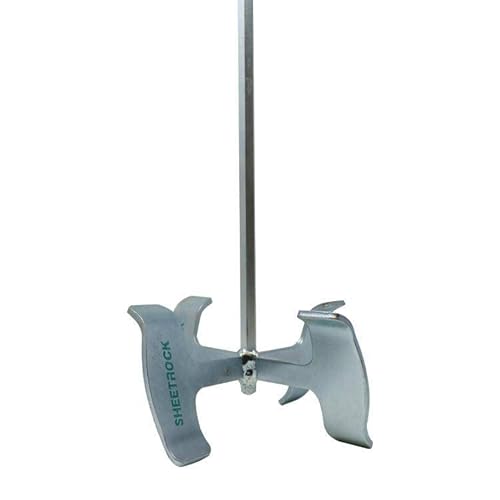
USG Sheetrock 30″ Mud Mixer
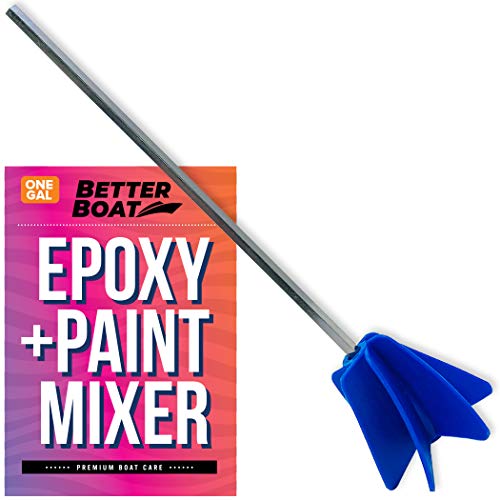
Better Boat Helical Epoxy Mixer

Edward Tools Zinc Plated Mud Mixer
Taking A Closer Look At The Options
The Truper 120 mm mortar stirrer keeps things simple. It is a bare-bones hex-shaft paddle designed to drop into any standard corded drill, and at 120 mm across the head it sits right in the sweet spot for stirring a standard four-gallon mud bucket without a lot of splash.
You will not find any frills, and that is the point. This is the paddle you grab when a single closet needs a fresh skim coat and you do not want to invest in a specialty tool. Homeowners tackling occasional patch work tend to get the most out of it.
Positive Takeaways
- Compact 120 mm head fits standard four-gallon buckets without riding the walls
- Hex shaft drops straight into common corded drill chucks with no adapter
- Light enough for overhead or off-bucket stirring without wrist fatigue
- Low entry price makes it an easy add to a basic drywall tool kit
Things To Consider
- Head diameter is on the small side for full five-gallon batches, so mixing takes longer
- Paint and dried compound tend to cake on the shaft, so a stiff brush should stay nearby
Made For
Homeowners patching small sections of drywall on weekends rather than running production work.
Skip It When
You mix whole five-gallon buckets daily and would get more done with the LEVEL5 13″ Drywall Mud Mixer instead.
The Bosch GBM9-16 is technically a drill, but the 5/8 inch capacity, D-handle grip, and 9 amp motor push it firmly into dedicated-mixer territory. Variable speed control and forward-and-reverse rotation let you dial down for thick mud or back the bit out when it gums up.
All-ball bearing construction and precision-cut steel gears handle the kind of high-torque loads that bog down a typical homeowner drill. Compared with the Truper paddle above, this is the full mixing rig, paddle sold separately, that crews reach for on real job sites.
Notable Gains
- 9 amp motor chews through stiff compounds without stalling
- D-handle and side grip give two-handed control under heavy load
- Variable speed dial matches torque to the bucket’s viscosity
- 5/8 inch chuck accepts large mixing paddles that smaller drills cannot grip
Worth Noting
- Heavier than a standard drill, so arm fatigue sets in during all-day mixing
- Mixing paddle is not included, so plan a small additional purchase
Quick Facts
Right Fit For
Finishers running a job site daily who treat mud mixing as a core task rather than a side chore.
Where Another Pick Suits Better
Occasional DIYers will find the Edward Tools Zinc Plated Mud Mixer a friendlier match for a basic cordless drill.
LEVEL5 has a reputation among finishers, and the 13 inch paddle shows why. The 2 inch head pulls material down into the center of the vortex rather than flinging it outward, which is the real source of bucket splatter on cheaper paddles.
The 13 inch shaft works in standard four-gallon buckets without bottoming out, making it the most practical size for in-hand drill use. In contrast to the Truper paddle above, this one was clearly designed with finished mud in mind, not just generic mortar stirring.
Benefits That Matter
- Center-pull paddle geometry keeps compound inside the bucket, off the floor
- Reduces drag on the host drill, so your tool’s chuck and gears last longer
- Pro-grade build handles daily mixing without flexing or twisting
- Compact 13 inch shaft clears the rim of a standard mud bucket
Honest Caveats
- Pair it with a real corded drill, since a small 12 volt driver will bog down
Best Suited To
Pro finishers and serious DIYers who already own a capable corded drill and want cleaner buckets.
Not Your Match When
Mixing full five-gallon batches at a time calls for the LEVEL5 28″ Drywall Mud Mixer with its longer reach.
The 28 inch version takes everything the 13 inch does and adds reach. The 4 inch head is wider, the shaft is long enough to drop all the way into a five-gallon pail, and the same center-pull geometry keeps the action in the bucket instead of on the wall.
Long shafts make mixing more comfortable because you can stand fully upright. Compared to the 13 inch model above, this is the paddle for full-size buckets rather than tabletop work, and it pairs naturally with the Bosch mixing drill in this list.
A Few Strong Suits
- Long 28 inch shaft lets you mix while standing upright, sparing your back
- 4 inch head handles full five-gallon batches in a single pass
- Center-pull design keeps splatter contained inside the bucket
- Same pro-grade build as the shorter LEVEL5 paddle, scaled up
Some Limits To Know
- Not ideal for shallow pans or short buckets where the shaft hits the bottom
- Requires a high-torque drill to spin a 4 inch head through thick mud
Feature Snapshot
Whose Shelf It Belongs On
Full-time finishers who mix bucket after bucket of joint compound on commercial or large residential jobs.
Consider Something Else When
You mostly skim-coat small patches in shallow pans and do not need the extra reach, in which case the LEVEL5 13″ Drywall Mud Mixer is the right size.
The Deluxe Hand Tool Set is less a single tool and more a finishing starter kit. It bundles taping knives, joint knives, a bucket scoop, a mud pan, a mixer paddle, and a jab saw into one box, all built around stainless steel blades with soft grip handles.
The included mixer is a hand-style paddle, so it leans on a separate cordless drill for power. The real win here is one shopping trip rather than seven, especially for someone finishing their first room of drywall.
What Stands Out
- All-in-one kit covers mud mixing, scooping, taping, and cutting in one box
- Stainless steel blades resist rust and wipe clean between coats
- Soft grip handles reduce hand fatigue on long taping sessions
- Useful for drywall, sheetrock, gyprock, and plasterboard jobs alike
Points To Note
- Included mixer paddle is small, so heavy five-gallon batches will be slow
Who Should Grab It
First-time finishers outfitting a full tool kit for a single-room remodel or basement ceiling project.
A Better Fit Elsewhere
You already own taping knives and only need a serious mixer, in which case the USG Sheetrock 30″ Mud Mixer is a more focused upgrade.
USG Sheetrock has been a brand name in drywall for generations, and their 30 inch mixer carries that reputation. Heavy-gauge steel construction, a tri-fold blade arrangement, and a self-centering shaft that fits a standard 1/2 inch drill chuck all come together in one purpose-built tool.
The self-centering shaft is the quiet hero of this design, since an off-balance paddle is what usually causes bucket gouging and chuck wear. Compared with the LEVEL5 28 inch model above, this one tilts toward a stiffer feel and a more contractor-targeted build.
Why It Works Well
- Heavy-gauge steel handles daily commercial mixing without flexing
- Tri-fold blade design folds material into itself for a smoother mix
- Self-centering shaft cuts vibration and protects bucket walls from gouges
- Fits a standard 1/2 inch drill chuck, so no special adapter is needed
Worth Bearing In Mind
- Longer 30 inch shaft can feel unwieldy in shallow 2 or 3 gallon pans
Feature Snapshot
Who Will Love This
Contractors who value predictable, vibration-free mixing and want a paddle that lasts across many job sites.
Reach For A Different Pick When
Smaller shop jobs and a tighter budget will make the Edward Tools Zinc Plated Mud Mixer a sensible alternative.
The Better Boat mixer earns its place on this list by being genuinely multi-purpose. The helical head works through thick paint, two-part epoxy resin, mica powder, alcohol inks, and joint compound mud, so it pulls double duty for crafters and finishers who already own a cordless drill.
It is not a heavy steel paddle, and that is the trade-off you accept for the lighter handling. Compared with the dedicated paddles above, this one trades brute strength for flexibility across very different materials.
Standout Benefits
- Helical head moves material downward efficiently, reducing air bubbles in epoxy
- Works for paint, resin, mud, and craft pigments on the same drill
- Lightweight design is comfortable for tabletop craft sessions
- Wipes clean between batches, so cross-contamination stays minimal
Trade Offs
- Not the right tool for full five-gallon mud buckets, where heavier paddles win
Perfect Match For
Hobbyists and DIYers who split their time between resin art, paint, and small drywall touch-ups.
Where A Sibling Pick Shines
Strict drywall mixing on real job sites is a job for the LEVEL5 28″ Drywall Mud Mixer rather than a helical craft paddle.
Edward Tools rounds out the list with a homeowner-friendly paddle that handles one to three gallons of paint or mud. The 15 3/4 inch shaft and 2.5 inch head are right-sized for the buckets a remodeler actually uses, and the 5/16 inch hex shaft drops into virtually any cordless drill chuck.
Zinc plated steel construction adds rust resistance and a smooth surface that releases dried compound more easily than bare steel. Compared with the entry-level Truper above, this one upgrades the finish and the head geometry for a more polished result.
What Helps Most
- Zinc plated steel resists rust and wipes clean between jobs
- 5/16 inch hex head fits most standard drill chucks without slipping
- Reinforced weld at the head-shaft joint handles thicker compounds
- Right-sized 15 3/4 inch length for one to three gallon batches
Practical Considerations
- Mixing paddle only, so you supply the cordless drill separately
- Smaller head means longer mix times in full five-gallon pails
Feature Snapshot
Who It Suits Best
Homeowners and remodelers handling weekend drywall repair jobs with a cordless drill already on the bench.
Look Elsewhere When
Large volume production mixing deserves a longer paddle, and the USG Sheetrock 30″ Mud Mixer fills that role.
What To Weigh Before Choosing A Drywall Mud Mixer
Paddle size and drill type are the two decisions that drive everything else. A 13 inch paddle suits a standard four-gallon bucket, while a 28 to 30 inch shaft reaches the bottom of a five-gallon pail without forcing you to bend over. Head diameter changes how fast mud breaks down, with 2 inch heads favoring control and 4 inch heads favoring speed.
The host drill matters as much as the paddle. A small 12 volt cordless driver will stall against stiff joint compound, while a 9 amp corded drill like the Bosch GBM9-16 keeps the paddle turning under load. Match the drill’s torque to the paddle’s head size and the compound’s viscosity.
Shaft fitment decides how cleanly the paddle locks in. Hex shafts grip standard cordless drill chucks and resist slipping under heavy load, which is a common complaint with undersized round-shank paddles. Material finish affects cleanup, since zinc plated and stainless surfaces release dried mud more easily than bare steel.
Finally, think about the rest of your tool kit. If you also need taping knives, a mud pan, and a saw, a kit like the LEVEL5 Deluxe Drywall Hand Tool Set bundles the basics. If you already own hand tools and only need a serious mixer, a focused paddle such as the USG Sheetrock 30 inch makes more sense.
Key Considerations Across These Picks
Pitfalls Shoppers Hit
The most common mistake is buying a paddle without checking the chuck fit. A round 1/4 inch shaft slips in many modern drill chucks, and the only thing worse than a stuck paddle is one that spins inside the chuck and burns out the jaws. Always confirm the shaft shape and size.
Another slip is underestimating how much torque stiff joint compound demands. A light cordless driver paired with a 4 inch head stalls within seconds, leaving you with half-mixed mud and an overheated drill. Match the drill class to the paddle scale.
Where The Extra Money Goes
Premium paddles earn their keep with thicker steel, better welds at the head-shaft joint, and anti-splatter geometry. Those features add up over years of daily use, where a cheap paddle can twist, throw mud, or snap at the weld. For weekend DIYers, the basic paddles are usually enough. For working finishers, the upgrade pays back in fewer replacements and cleaner buckets.
Frequently Asked Questions
Can a regular drill mix drywall mud?
A corded drill with a side handle and at least 7 amps of power handles drywall mud without bogging down. A small 12 volt cordless driver can struggle with full five-gallon batches.
What size mud mixer do you need for a 5 gallon bucket?
A 28 to 30 inch shaft with a 4 inch head reaches the bottom of a five-gallon pail and displaces enough material to mix in a single pass. Shorter paddles leave unmixed compound at the bottom.
How do you clean a drywall mud mixer?
Rinse the paddle in warm water before the compound dries, then scrub any remaining film with a stiff brush. Zinc plated and stainless paddles release dried mud more easily than bare steel.
Can you use the same mixer for paint and mud?
Yes, as long as you clean it thoroughly between materials. A helical paddle like the Better Boat is a popular cross-use choice for paint, resin, and small mud jobs.
What is the difference between a mud mixer and a paint mixer?
Mud mixers use wider, flat blades designed to fold thick joint compound, while paint mixers often use helical shapes suited to thinner liquids. Dedicated mud paddles usually outperform paint paddles on heavy compound.



