

A great dough mixer changes the rhythm of your kitchen. Heavy batches stop becoming a workout, and consistent results start arriving without a fight. The eight commercial dough mixers below cover small pizzerias, busy bakeries, weekend bakers who outgrew their home machine, and home cooks planning a dinner party menu. Match the bowl size and motor to the dough you actually make, and the rest tends to fall into place.
An Overview Of The Picks

BOSBAK 30Qt Commercial Spiral Dough Mixer
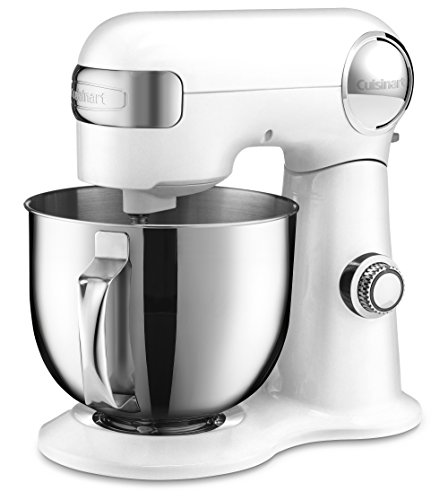
Cuisinart SM-50NAS Stand Mixer 5.5 Quart

VIVOHOME Stand Mixer with Dough Proofing 6-Quart Red
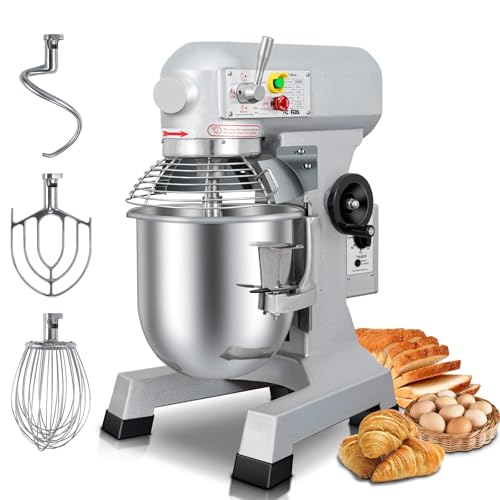
BOSBAK Commercial Food Mixer 15Qt 600W

BOSBAK Commercial Food Mixer 30Qt 1250W
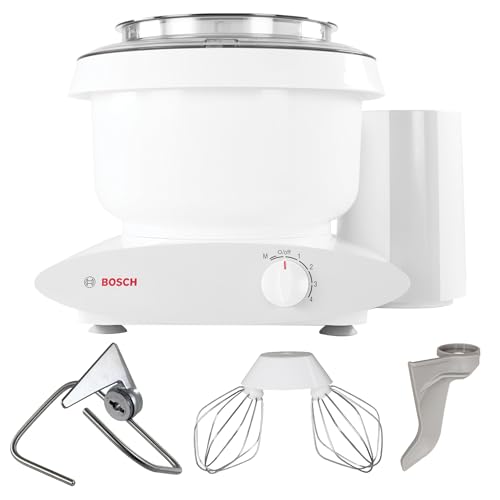
Bosch Universal Plus Stand Mixer 6.5 Quarts with NutriMill Extender Bundle

VIVOHOME Stand Mixer 6-Quart Tilt-Head Red

VIVOHOME 3-in-1 Stand Mixer 6-Quart Tilt-Head 10 Speeds Red
What Each Pick Brings To The Table
The BOSBAK 30-quart spiral mixer behaves like a piece of bakery equipment that wandered into a small shop. A spiral hook rotates while the bowl turns in the opposite direction, mimicking the way hands stretch and fold dough against a work surface. That co-rotating action develops gluten faster than the planetary mixers in this lineup, and it runs cooler too, which matters when you ferment for hours on the counter.
Bakers pushing 30 to 40 pounds of dough per batch benefit most. Pizza shops, artisan bread programs, and small wholesale bakeries get reliable turnaround without hand fatigue. The 1.8kW motor is serious business, so dedicated circuit capacity is worth verifying before installation.
Everyday Perks
- Spiral action pulls dough away from the bowl wall, so kneading finishes faster and the batch stays cooler.
- Dual-speed control gives you low-torque cradling for wet ciabatta and a faster pull for bagel batches.
- The 30-quart bowl handles a full commercial sheet pan worth of focaccia in one cycle.
- Stainless contact surfaces hold up to salt-heavy doughs and resist corrosion over years of daily use.
Things To Consider
- Single-purpose design handles dough only, so you’ll need a separate mixer for cake batters or whipped cream.
- Expect a dedicated circuit and a sturdy prep table, since weight and amperage rule out casual placement.
Who It Suits Best
High-volume artisan bakers running a daily dough program.
Skip It When
The Cuisinart SM-50NAS serves home bakers who want one machine for dough and dessert batters without commercial power requirements.
The Cuisinart SM-50NAS leans into the home-cook side of the spectrum without feeling like a toy. The die-cast metal body gives the machine a planted feel on the counter, and the 500-watt motor runs quieter than a lot of comparably priced stand mixers. Twelve speed settings let you move from a slow stir that won’t puff flour into a brisk whip for meringue without changing attachments.
Home bakers who make pizza dough on Friday and layer cake on Saturday get a single tool that does both competently. The tilt-back head opens wide enough to scrape the bowl cleanly, and the splash guard with pour spout handles batters that get added mid-mix. Compared with the BOSBAK 30Qt spiral above, this unit trades raw capacity for versatility and a much friendlier footprint.
Useful Highlights
- Twelve speeds cover a wider range than most home stand mixers, so delicate folding and aggressive kneading both find a home.
- Die-cast construction dampens vibration, which matters on countertops that amplify noise at high speed.
- The included chef’s whisk, dough hook, and mixing paddle cover most weeknight baking without buying extras.
- Tilt-back head and splash guard make ingredient additions and cleanup more straightforward than bowl-lift designs.
Honest Caveats
- Smaller motor and bowl than commercial picks, so dense whole-grain batches may push the unit on long cycles.
- Plastic-coated whisk can stain from heavy spices like turmeric or saffron over time.
Made For
Home bakers moving beyond a hand mixer who want one machine for dough, batters, and whipped toppings.
Look Elsewhere When
The Bosch Universal Plus stand mixer handles heavier dough loads for home cooks who bake bigger batches each week.
The VIVOHOME 6-quart tilt-head mixer pulls in a feature you rarely see outside dedicated proofer cabinets: a fermentation setting that holds the bowl at a steady warmth so yeast can rise without you babysitting the oven light. Eleven manual speeds plus three one-touch presets cover a surprising range, and the planetary mixing pattern keeps the dough moving against the bowl walls where gluten development actually happens.
Bread bakers in cool kitchens gain the most. The proofing mode replaces a separate dough box on the counter and helps a winter morning sourdough rise on schedule. Anyone baking a couple of loaves a week gets more use out of this than someone running a cookie-heavy program, since the proofing function only really earns its keep with yeast doughs.
Where It Helps
- Built-in proofing function creates a controlled rise environment, useful in cool basements or winter kitchens.
- Three one-touch presets simplify the trial-and-error phase of learning when to stop kneading or whipping.
- Planetary motion and 11 manual speeds handle a wide range of recipes from brioche to buttercream.
Points To Note
- The proofing setting adds bulk and length to the body, so storage under low cabinets may be tight.
- Specialty functions add cost compared to simpler 6-quart mixers that skip the proofing hardware.
Best Suited To
Bakers who want controlled dough rises in cooler environments without buying a separate proofing box.
Consider Something Else When
The VIVOHOME 3-in-1 stand mixer fits cooks who also want a blender and juicer built into one footprint.
The 15-quart BOSBAK sits at a useful midpoint between home machines and full bakery gear. Three speeds keep the controls simple, and the 600-watt motor handles a 15-quart batch without stalling. The included dough hook, flat beater, and wire whip mean you can move from bread to cake batter to whipped cream without shopping for extras.
Small cafés, food trucks, and catering setups benefit most. The footprint is friendlier than the larger BOSBAK 30-quart planetary on this list, and the price lands well below a true spiral mixer. Anyone kneading ciabatta in a 10-pound batch finds this size comfortable, while a daily bagel program will likely outgrow it.
A Few Strong Suits
- Three included attachments cover dough, batters, and aerated tasks, so the machine earns its space across menus.
- 15-quart bowl fits a useful batch size for small commercial operations without dominating the prep line.
- 600W motor provides enough headroom for moderate dough hydration without straining the gearbox.
Worth Noting
- Only three speeds, so precise control for delicate folding is more limited than 10 or 12-speed models.
- Smaller motor than larger BOSBAK units, so dense whole-grain doughs may require patience on longer cycles.
Perfect Match For
Small kitchens and cafés that want commercial capability without full bakery capacity.
Swap It Out When
The BOSBAK 30Qt planetary handles higher volumes for kitchens running mixed baking and prep throughout the day.
The 30-quart planetary BOSBAK is a workhorse. Unlike the spiral model higher on this list, this unit uses planetary mixing, where the attachment sweeps the entire bowl while spinning on its own axis. The 1250W motor is over twice the wattage of the 15-quart sibling, and the result is confident kneading of dense doughs and gentle folding of egg-white foams on the same machine.
Kitchens running a varied menu benefit most. Bread in the morning, buttercream in the afternoon, meatloaf mix at dinner. The stainless bowl cleans down quickly, and the bowl-lift design holds steady under heavy load. Compared to the 15-quart sibling, you trade footprint for batch size and motor headroom.
What It Does Well
- Planetary versatility means one machine handles dough, batters, and aerated mixtures across a full day.
- 1250W motor has the headroom to push through heavy whole-grain doughs without bogging down mid-cycle.
- 30-quart bowl supports a real production schedule without constant batch turnover.
Trade Offs
- Planetary action runs warmer than spiral mixers during long dough cycles, which can affect long-fermentation doughs.
- Size and weight require a permanent spot, so mobile food operations may find the footprint limiting.
Right Fit For
Multi-purpose commercial kitchens that need one machine for varied baking and prep tasks.
Reach For A Different Pick When
The BOSBAK 30Qt spiral mixer suits bakeries focused on artisan bread, where cooler dough temperatures matter more than mixing versatility.
The Bosch Universal Plus takes a different approach from typical stand mixers. The motor sits under the bowl, so a bottom-drive system pulls attachments through the dough from below. That cuts down on the tall headroom a KitchenAid-style tilt-head demands, and the BPA-free plastic bowl keeps the whole unit light enough to slide into a cabinet when dinner is on the table. The included NutriMill dough hook extender reaches deeper into tall batches, a thoughtful touch for serious bread bakers.
Home bakers with limited counter space and a serious bread habit get the most from this design. The 500-watt motor and belt-driven transmission handle doughs that would stall smaller machines, and the dual-beater whipping action beats egg whites quickly. Versus the Cuisinart earlier in this list, you trade metal weight and a wide speed range for a smaller footprint and stronger dough kneading.
Positive Takeaways
- Bottom-drive design keeps the unit compact and easy to store, which suits smaller kitchens.
- Dual-beater system whips faster than single-whisk designs, so meringues and whipped cream finish sooner.
- NutriMill dough hook extender reaches deep into tall batches, useful for full-capacity bread sessions.
Some Limits To Know
- Plastic bowl, while lightweight, can show scuffs over years of metal-whisk contact.
- Speed range is narrower than the 12-speed Cuisinart, so delicate folding is more hands-on.
Who Will Love This
Small-space home bakers who prioritize dough performance over wide speed control.
Not Your Match When
The Cuisinart SM-50NAS better serves cooks who want broader speed control and a metal-bodied machine for varied baking.
The 6-quart VIVOHOME tilt-head mixer feels aimed at the family kitchen. A 660-watt motor drives ten speed settings, and the planetary mixing pattern keeps the dough moving in contact with the bowl walls. The bowl is large enough to handle a small baking project’s worth of cookie dough or two loaves of sandwich bread, and the tilt-back head opens wide for scraping the last bits by hand.
Weekend bakers feeding a family of two to four get a comfortable size. The included attachments cover most home baking tasks, and the red finish adds a pop of color on the counter. For cooks already eyeing the Cuisinart earlier, this VIVOHOME trades brand cachet and metal weight for a friendlier price and a more compact body.
A Favorable Mix
- 660W motor provides enough power for most family-size bread batches without stalling on the second loaf.
- Ten speeds give meaningful control at both ends, from slow incorporation to fast whipping.
- Tilt-head design simplifies attachment changes and bowl removal for quick cleanup.
A Few Limitations
- Lighter construction than the Cuisinart, so the unit may walk on the counter at the highest speeds.
- Plastic gear housing components can wear faster than metal equivalents under daily heavy use.
Whose Shelf It Belongs On
Family kitchens running weekend baking sessions for a few loaves or a tray of cookies at a time.
A Better Fit Elsewhere
The VIVOHOME mixer with proofing function fits families who also want a built-in dough warming cycle for bread projects.
The VIVOHOME 3-in-1 tries to earn its counter space three ways. The 6-quart stainless bowl handles dough and batters, while a 1.5-liter glass jar turns the same base into a blender, and a separate attachment juices citrus or soft produce. A 650-watt copper motor drives ten speeds, and the planetary mixing pattern keeps the bowl contents moving consistently during standard prep.
Small kitchens that need to consolidate appliances benefit most. Renters, dorm cooks, and anyone rebuilding a cramped kitchen layout get a single footprint that covers weeknight baking, smoothie mornings, and weekend citrus projects. The trade-off is that no single function performs at the level of a dedicated machine, so a serious baker may outgrow the dough side quickly.
Key Advantages
- Three functions in one footprint, which reduces counter clutter in smaller kitchens.
- Glass blender jar resists staining and odor retention from strong ingredients like garlic or berries.
- Stainless mixing bowl with comfortable handle stays useful across baking, mixing, and marinating tasks.
Potential Drawbacks
- Switching between functions takes a few extra minutes compared to dedicated single-purpose machines.
- Motor wattage is shared across uses, so heavy dough and a long blender cycle back-to-back may run warm.
Built With In Mind
Small-space cooks who want a multi-purpose appliance that handles dough, blending, and juicing in one footprint.
Where Another Pick Suits Better
The Bosch Universal Plus fits serious bakers who want a dedicated dough machine and a smaller overall footprint.
Choosing The Right Commercial Dough Mixer For Your Kitchen
Capacity and motor strength should drive the decision before any feature checklist. A 15-quart bowl covers most home and small-business baking comfortably, while a 30-quart bowl makes sense only when you’re feeding a real production schedule. Spiral mixers handle bread dough better because they run cooler and knead faster, while planetary mixers win on versatility for varied menus.
Speed control matters more than people expect. A machine with only three speeds will fight you on delicate batters and gentle folds, while ten or twelve speeds give meaningful control at both ends. For home bakers stepping up from a hand mixer, the Cuisinart SM-50NAS shows what proper speed range feels like in daily use.
Footprint and storage deserve a real look before you order. A 30-quart planetary mixer doesn’t move easily, and the proofing-equipped VIVOHOME has a longer body than its simpler siblings. Measure your prep space, including the height clearance for a tilt-back head.
Match Motor To Hydration, Not Just Volume
Higher hydration doughs (those with more water relative to flour) stress a motor differently than stiff bagel doughs. A 600W motor can handle a 15-quart stiff dough fine but may run warm on a wet ciabatta at full capacity. Sizing the motor to your wettest recipe, not your average one, prevents early burnout.
Bowl Size Headroom Prevents Mid-Cycle Hassles
Filling a bowl above 60% capacity usually ends with flour on the counter. Sizing up one tier from your current need gives the dough room to climb the hook without overflowing. For most home bakers, 6 quarts handles weekly needs with a small comfort margin.
Key Considerations Across These Picks
Common Shopping Slip Ups
The most common mistake is choosing by bowl size alone. A 30-quart bowl on a 600W motor will stall under heavy dough, no matter the capacity. Motor wattage, bowl size, and intended batch weight need to align. Another trap is buying a spiral mixer for a general kitchen. Spiral action is brilliant for bread but offers no real benefit for cake batters or whipped cream, so a planetary mixer remains the right tool for varied menus.
Where The Extra Money Goes
The jump from a 6-quart home stand mixer to a 30-quart commercial unit pays for motor durability, gear materials, and stainless contact surfaces that hold up to daily professional use. That upgrade is worth it for a working bakery, a busy café, or anyone baking multiple days a week. For occasional weekend baking, the home-tier mixers in this list deliver similar results without the heavier build or the dedicated circuit requirement.
Frequently Asked Questions
What size commercial dough mixer do I need for home baking?
A 5 to 6-quart stand mixer handles most home baking, including two loaves of bread or a small batch of pizza dough. A 15-quart commercial unit makes sense for serious hobbyists baking for events or selling at small markets, while a 30-quart mixer suits working bakeries and busy commercial kitchens.
How is a spiral mixer different from a planetary mixer?
A spiral mixer uses a single curved hook rotating while the bowl turns in the opposite direction, which develops gluten faster and runs cooler, ideal for bread dough. A planetary mixer has the attachment sweeping the entire bowl while spinning on its own axis, making it more versatile for varied batters and aerated mixtures.
Can a commercial dough mixer run on a standard home outlet?
Smaller commercial units in the 600 to 1250W range typically run on standard 120V household circuits. The largest spiral mixers with 1.8kW or higher motors may need a dedicated 20-amp circuit, so check the electrical spec before installation.
How do I clean a commercial dough mixer?
Stainless bowls and attachments are usually dishwasher safe, though hand-washing extends gasket life. Wipe down the housing with a damp cloth after each session, and avoid hosing down the motor base. For planetary mixers, remove the bowl-lift components periodically to clear flour buildup around the attachment hub.
What maintenance does a commercial dough mixer require?
Planetary gearboxes benefit from occasional inspection for grease condition and belt tension. Spiral mixers have fewer moving parts but should have the bowl-drive mechanism checked periodically. Across both styles, keeping attachment hubs clean and storing the unit covered when not in use extends service life considerably.



