

Vegetable-heavy smoothies are a different beast than fruit blends. Stems on kale, fibrous strands in celery, and the woody cores of carrots all punish a weak motor, and that shows up as grit floating in your glass. You want a blender that can actually break cell walls, not just spin leaves around in water.
This roundup covers countertop workhorses, personal single-serve picks, one cordless travel option, and a hand blender for when you want to blend right in the pot or glass. Every pick below is matched to a real household scenario, so you can move past the spec maze and pick what fits your kitchen.
A Quick View Of The Lineup

Ninja (Refurbished) BN401 Nutri Pro Personal Blender (Renewed)

Ninja Compact Kitchen System Auto-iQ 1200W 72oz

Vitamix 5-Speed Immersion Blender 625-Watt

Ninja Professional Plus Kitchen System BN801 1400W

nutribullet Ultra 1200W Personal Blender (Gray)

nutribullet Ultra 1200W Personal Blender
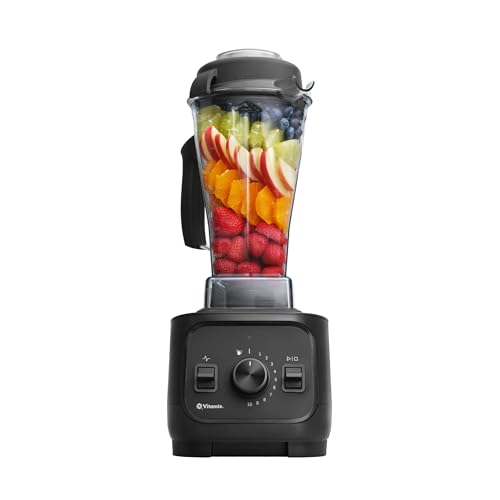
Vitamix VX1 Professional-Grade Blender 64 oz

nutribullet Pro 900W Personal Blender (Matte Black)

Vitamix 48 oz Stainless Steel Container
Lageich Wireless 24oz Cordless Mini Personal Blender
A Closer Look At Each Pick
Vegetable smoothies on a tight budget usually mean making do with a weak jar that leaves kale strings in the glass. This refurbished Ninja BN401 leans on 1100 peak watts of power, a claim worth pausing on for a minute: peak wattage is the brief maximum the motor hits under load, not the steady running power, so for tough greens you’ll want to run the Auto-iQ pulse cycle rather than relying on a single press. The Cloud Silver finish and the single-serve cup format make it a tidy fit on a small countertop.
You trade the deep batch capacity of the larger Ninja systems for portability and a friendlier entry price. In most kitchens, this means a daily kale-and-banana habit becomes realistic without committing to a full-size setup. Pair it with the included to-go lid and you have a one-pour routine from the moment you wake up.
Where It Helps
- 1100 peak watts handles fibrous kale, chard, and celery without straining.
- Single-serve jar doubles as a travel cup, so you skip a second container to wash.
- Auto-iQ pulse programs take the guesswork out of blending tough veg.
- Refurbished status brings the cost down noticeably versus a brand-new unit.
Things To Consider
- Limited to one cup size, so you can’t make a large pitcher for a household.
- Peak wattage numbers are always higher than sustained output, so dense beet blends may need extra pulses.
- Refurbished units may show light cosmetic wear, which is worth checking on arrival.
Made For
Solo drinkers who want a compact, low-cost entry point into vegetable smoothies without buying a full-size system.
Consider Something Else When
The Vitamix VX1 Professional-Grade Blender makes more sense if you blend for two or more people every morning and need a 64-ounce jar.
Vegetable prep rarely stops at smoothies. One morning you need a big pitcher of green juice, the next you need to chop onions for soup. The Ninja Compact Kitchen System leans into that rhythm with a 72-ounce full-size pitcher, a 5-cup processor bowl, and a single-serve cup in the same box. At 1200 watts it sits firmly above the bare-minimum class, so even carrot cores behave when the Auto-iQ cycles are used.
Compared with the slim profile of the BN401 we just covered, this is a chunkier footprint, but the trade shows up in flexibility. You get one motor base, three vessels, and enough capacity to feed a household a weekend’s worth of green smoothies in one go. For families sharing a counter, that flexibility usually wins.
Everyday Advantages
- 72-ounce pitcher covers family-size batches in a single run.
- Three vessel types in one box cut down on extra appliances and storage.
- 1200 watts is comfortable for fibrous vegetables like celery and chard.
- Auto-iQ programs remove the need to learn manual pulse timing.
Trade Offs
- Larger footprint than single-serve blenders, so cramped counters may struggle.
- More parts to wash and store, which adds up with daily use.
Key Specs
Best Suited To
Multi-person households who want one machine for morning blends, light chopping, and the occasional single-serve cup.
Where Another Pick Suits Better
The nutribullet Pro 900W Personal Blender is a better fit for solo drinkers who don’t need a 72-ounce pitcher taking up space.
An immersion blender lives a different life than a countertop jar. You drop the shaft straight into a pot, a tall glass, or a measuring jug, and the blades do the work in whatever vessel you already own. The Vitamix 5-Speed Immersion Blender runs on a 625-watt motor through a stainless steel blending shaft, which is the kind of build detail that matters when you’re working with hot soup one night and a cold kale-cucumber mix the next morning.
Where the previous Ninja systems lock you into their containers, this stick blender follows you. Soup purees, salad dressings, and small-batch smoothies all happen in the same pot or glass. For anyone who hates loading a heavy pitcher, the freedom of a wand is genuinely hard to give up.
Bright Spots
- Five speeds give you control from a gentle emulsion up to a tough green blend.
- Stainless steel shaft reads as the more durable choice for daily use.
- No dedicated container needed, which shrinks storage dramatically.
Honest Caveats
- Immersion blenders generally can’t match a full-size jar on truly large volumes.
- You give up the convenience of a self-contained travel cup format.
Whose Shelf It Belongs On
Cooks who already work in pots and pans, and want a single tool that does soup purees and small vegetable smoothies with minimal cleanup.
Not Your Match When
The Ninja Professional Plus Kitchen System BN801 is a stronger choice for batch-cooking households that need a 64-ounce processor alongside a blender.
When a household runs on prepped lunches and shared breakfasts, the blender becomes a small production line. The Ninja Professional Plus Kitchen System answers that with 1400 peak watts, a 72-ounce Total Crushing Pitcher, a 64-ounce processor bowl, and two 24-ounce to-go cups. Auto-iQ technology is the umbrella term Ninja uses for its timed blend and pause programs, and it earns its place here by stopping you from over-blending or under-blending on repeat.
Stacking this against the AMZ493BRN system earlier in the list, you trade the older model’s lighter pitcher and 5-cup processor for a wider capacity and more wattage. For families who do Sunday prep and a weekday pour, the extra room tends to pay off quickly.
A Few Highlights
- 1400 peak watts is the strongest spec in this Ninja lineup.
- Two 24-ounce to-go cups mean a partner and a kid can both grab a smoothie at once.
- 64-ounce processor bowl handles dough, chopping, and slicing beyond drinks.
Points To Note
- Largest counter footprint in this roundup, so plan storage carefully.
- More accessories means more pieces to keep track of during cleanup.
Feature Snapshot
Right Fit For
Active households that batch-prep meals and want a single appliance to handle smoothies, dough, and chopping without compromise.
Skip It When
The Ninja Compact Kitchen System AMZ493BRN is the right call in smaller kitchens where the extra 8 ounces of processor and second to-go cup aren’t worth the larger footprint.
Single-serve blenders usually make you pick between power and quiet. The nutribullet Ultra aims at both with a 1200-watt motor and a design that produces lower-frequency sound, which reads to the ear as a softer hum rather than a high whine. Titanium-coated blades are the headline material choice, and titanium coatings are positioned to resist wear longer than plain stainless in daily use.
Two BPA-free cups, a 32-ounce and a 24-ounce, sit alongside to-go lids in the box, so two days of morning drinks are covered without washing between pours. Pair that with a dishwasher-safe build, and the everyday maintenance story stays friendly.
Practical Pluses
- 1200 watts in a personal-size base is unusually strong.
- Titanium-coated blades aim at long-term sharpness under daily vegetable loads.
- Two cup sizes (32 oz and 24 oz) make portioning easier than a one-cup system.
Soft Spots
- Single-serve format still can’t match a 64-ounce jar for hosting.
- Higher-tier pricing compared to the 900W nutribullet Pro covered later.
Quick Facts
Who Should Grab It
Daily single-serve drinkers who want a quieter, harder-working personal blender and don’t mind a step up in price from entry-level nutribullets.
Reach For A Different Pick When
The Lageich Wireless 24oz Cordless Mini Personal Blender fits a true on-the-go lifestyle where an outlet isn’t always around.
The Ultra we just covered comes in a color-coded Gray edition, and this listing is the neutral colorway of the same machine. The 1200-watt motor, titanium-coated blades, 32-ounce and 24-ounce BPA-free cups, and to-go lids all carry over, so the blending experience is identical. The honest read is that this is a cosmetic preference pick, and the buying decision usually comes down to which colorway is in stock when you shop.
For minimalist kitchens where a colorful blender feels out of place, that neutral palette can be the difference between leaving the appliance on the counter and tucking it away in a cabinet. Either way, the performance ceiling matches the colored version, so you don’t trade power for a calmer look.
Well-Handled Touches
- Same 1200-watt motor and titanium blades as the color-coded Ultra.
- Neutral finish suits kitchens with a calmer visual palette.
- Dishwasher-safe cups and lids keep the daily rinse-and-go flow simple.
Potential Drawbacks
- Identical motor and capacity to the previous nutribullet, so no new performance gain.
Perfect Match For
Anyone who likes the Ultra’s performance but wants a colorway that blends into a neutral countertop rather than standing out.
A Better Fit Elsewhere
The nutribullet Pro 900W Personal Blender is a smarter choice if you don’t need the extra 300 watts and want to keep the spend lower.
When leafy greens turn sandy in the bottom of a cheap jar, the problem is almost always blade speed and run time, not the recipe. The Vitamix VX1 aims at that exact pain with laser-cut stainless-steel blades and a motor positioned for serious daily use. The 64-ounce container is wide enough for large vegetable batches yet small enough to fit under most standard cabinets, which matters more than it sounds in real kitchens.
Vitamix is positioned as an entry into the brand’s high-performance line, so you get the same build philosophy as the company’s pricier siblings without the full premium tag. Compared with the Ninja BN801 we covered earlier, the trade is a simpler feature set for what should be a more refined blend quality on tough produce.
Where It Excels
- 64-ounce container handles both a single large smoothie and several personal pours.
- Laser-cut stainless blades are built to hold an edge through fibrous work.
- Classic low-profile jar fits under standard upper cabinets more easily than tall pitchers.
Possible Compromises
- Premium-tier pricing puts it above most countertop blenders in this roundup.
- Heavier and louder than personal blenders during long cycles.
Built With In Mind
Vegetable-smoothie regulars who want commercial-grade blending at home and don’t mind paying for a longer-lasting machine.
Swap It Out When
The Ninja Compact Kitchen System AMZ493BRN is a better fit for shoppers who prefer a 3-in-1 setup over a single-jar workhorse.
First-time blender owners often get overwhelmed by programs, speeds, and accessory counts. The nutribullet Pro strips the experience back to a 900-watt motor, two cup sizes, a flip-top travel lid, and the classic push-and-twist interface. The 32-ounce and 24-ounce cups in the box let you adjust portion size without buying extra containers, which is the part most starter kits skip.
Compared with the Ultra models we just covered, you drop 300 watts and the titanium coating in exchange for a friendlier price and the same simple routine. For a single person building a daily vegetable habit, that trade usually makes sense. The matte black finish also hides minor scuffs better than glossy plastic over time.
What It Does Well
- 900 watts is plenty for soft greens and most frozen fruit.
- Two included cups (32 oz and 24 oz) cover most single-person portion needs.
- Flip-top travel lid is a small but useful upgrade over flat snap-on lids.
Worth Noting
- Less headroom than the 1200-watt Ultra for very fibrous stems and roots.
- No dedicated processor or dough function, so it’s a smoothie-only tool.
Who Will Love This
Newcomers to daily blending who want a simple routine, two cup sizes, and a reasonable starting price without extra programs to learn.
Another Choice May Suit
The nutribullet Ultra 1200W Personal Blender is the right step up once fibrous greens start showing up unblended in your glass.
Accessory reviews are a different kind of roundup entry, but this container earns its place. The Vitamix 48-ounce stainless steel container attaches to compatible Vitamix bases through SELF-DETECT, which is the brand’s auto-recognition system that adjusts blend settings based on which container is locked in. Stainless steel also holds temperature better than plastic, so cold smoothies stay colder longer during a long blend cycle.
This is the right pick for someone who already owns a compatible Vitamix base and wants a smaller, tougher jar for vegetable smoothies. It’s not a standalone blender, so shopping for it without a matching motor base would leave you with a very nice lid.
Real Benefits
- Stainless steel build resists stains and odors from leafy greens.
- 48-ounce size is a smart middle ground between single-serve and 64-ounce jars.
- SELF-DETECT pairing takes the manual setting guesswork out of the way.
A Few Limitations
- Requires a compatible Vitamix base to function at all.
- Heavier than a plastic container, so daily lifting can fatigue some users.
Spec Overview
Who It Suits Best
Existing Vitamix owners who want a smaller, tougher jar to run alongside their full-size container.
Look Elsewhere When
You’re starting from scratch, in which case the Vitamix VX1 Professional-Grade Blender is the more complete answer.
Not every smoothie happens in a kitchen. The Lageich cordless mini blender runs on a 6000mAh built-in battery and a 360-watt motor, blending in the same 24-ounce vessel you drink from. The 6-blade assembly is the spec to watch in portable blenders, and a higher blade count generally helps compensate for the lower wattage by giving ingredients more cutting edges per spin.
You give up the wall-outlet power of every other pick on this list, so very tough beet or carrot blends may need extra cycles. For a gym bag, an RV, or a dorm with limited kitchen access, the trade often pays for itself. The carbon black finish and integrated carry handle are the kind of small details that make a portable product feel considered rather than cheap.
What Pays Off
- Cordless design lets you blend away from any kitchen outlet.
- 24-ounce vessel doubles as the drinking cup, so cleanup is one piece.
- 6000mAh battery supports multiple blends per charge in most home scenarios.
Things To Weigh
- 360 watts is much lower than the 900W to 1400W countertop picks, so fibrous stems take patience.
- Charging between uses is a real consideration for daily vegetable routines.
Made For
Commuters, gym-goers, and travelers who want a fresh vegetable smoothie in the car, at the office, or anywhere an outlet is out of reach.
Reach For A Different Pick When
The nutribullet Pro 900W Personal Blender makes more sense in a home kitchen where outlet power and blending strength come first.
Choosing The Right Blender For Vegetable Work
Vegetable smoothies are tougher on a blender than berry-and-banana blends, so the motor and blade geometry matter more than cup capacity. Wattage is a starting point, though you should also pay attention to sustained power output, since peak wattage numbers often outrun what the motor can hold under load. Steel or titanium-coated blades tend to last longer through kale stems and frozen veg than plain stainless in budget units.
Container size and shape deserve real thought, too. A wide 64-ounce low-profile jar pulls ingredients into the blade more easily than a tall narrow one, which is why so many high-end models share that silhouette. Single-serve cups are wonderful for grab-and-go routines but won’t serve a household of four without an extra rinse between pours.
Finally, think about cleanup and storage before you fall for a spec sheet. Dishwasher-safe parts, blade assemblies that come apart, and a footprint that fits your actual counter all matter more than a slight wattage bump you’ll never notice in daily use.
Power vs Real-World Toughness
For dense vegetable work, look for a motor that can sustain at least 800 to 1000 watts under load, paired with blades that are described as laser-cut or coated. The single most common reason vegetable smoothies come out gritty is too short a run time at too low a power level. Cycling in pulses of 15 to 20 seconds, with a stir between, usually gives a smoother result than one long continuous run.
Container Shape And Pour Habit
A wide, low-profile jar (think 64 ounces) is a strong choice for households that share a morning pour. A personal-size 24-ounce cup works best for solo routines. Tall, narrow pitchers look impressive but can leave a vortex gap that pulls air instead of ingredients, which shows up as a foamy top layer.
Noise, Heat, And Daily Comfort
Powerful motors generate heat and noise. If your kitchen is open to a living space, look for models that describe sound dampening or a quieter motor profile. If you blend in the same room as a sleeping child, the cordless mini or the immersion blender may be the most considerate choice, since they tend to run shorter cycles and at lower sustained power.
What To Watch For When Buying A Vegetable Smoothie Blender
Common Buying Slip Ups
The most common mistake is buying on peak wattage alone. Peak numbers reflect the absolute max under ideal conditions, and the sustained power is usually lower. Vegetable work also punishes blenders with sealed blade bases you can’t disassemble, since fibrous greens pack under the blade and starve the motor.
When Paying More Actually Pays Off
Spending up usually gets you a more powerful sustained motor, a wider container that improves vortex flow, and tougher blade materials. The upgrade is worth it if you blend every day, rely on vegetable-heavy recipes, or share a household where the blender runs back to back. For occasional weekend use, an entry-level personal blender will do the job without the higher spend.
Frequently Asked Questions
Do higher-wattage blenders actually blend vegetables better?
Generally yes, because they sustain more torque (the rotational force the motor delivers to the blades) under load. Fibrous vegetables like kale, celery, and carrot cores demand torque more than raw speed, which is why a 1000-watt motor with a wide jar often beats a 1500-watt motor in a narrow one.
Can I use a personal-size blender for vegetable smoothies?
Yes, though you’ll want to chop dense vegetables into smaller pieces first and run the cycle in pulses. Personal blenders can handle a single serving of greens, frozen fruit, and liquid just fine. They tend to struggle with very thick, low-liquid recipes, so a splash of water or milk helps the blade catch.
Are refurbished blenders worth the savings?
Refurbished units are typically inspected, tested, and cleaned before resale, and the cost savings can be meaningful. Read the seller’s return policy and warranty terms carefully. For a first blender, a refurbished model from a recognized seller can be a sensible way to step up to a higher-tier motor for less.
How often should I replace the blades?
Blade lifespan depends on use volume, but expect a few years of daily use from a quality stainless or titanium-coated blade. A sign that blades are wearing out is a longer blend time, a gritty texture, or visible dulling at the edges. Most manufacturers sell replacement blade assemblies separately.
Is an immersion blender good for vegetable smoothies?
An immersion blender works well for small to medium single-serving smoothies, especially when you blend right in a glass or jar. For larger batches, a countertop jar is faster and more even. The immersion format shines for hot soups and one-drink routines where cleanup matters more than capacity.
Closing Remarks
The best blender for vegetable smoothies is the one that matches your real routine, not the one with the highest number on the box. Solo drinkers building a daily habit will be happy with a 900W or 1200W personal blender, while households sharing morning pours get more value from a 64- or 72-ounce jar. Match the motor strength and container shape to how you actually blend, and the rest tends to fall into place.



