

A good pot of soup shouldn’t end in a chunky, uneven pour, and that’s exactly where a capable blender earns its place. Whether you’re pureeing a weeknight tomato bisque, a slow-simmered broccoli cheddar, or a batch of carrot-ginger for the fridge, the right tool takes you from stovetop to silky in minutes. The picks below cover full-size countertop workhorses, hand-held immersion sticks, and a few container upgrades that turn the machine you already own into a hot-soup specialist.
The Lineup, Simplified

Vitamix 5-Speed Immersion Blender (625-Watt)

Vitamix 48 oz. SELF-DETECT Container (Tritan)

KitchenAid KHBV53 Variable Speed Hand Blender

Ninja BL660 Professional Compact Blender 1100W

KitchenAid KHBV83 Hand Blender with Attachments

Chefman Obliterator 48 oz Countertop Blender 1380W

Braun MQ5000 Vario Hand Blender 400W

Vitamix E320 Explorian Blender
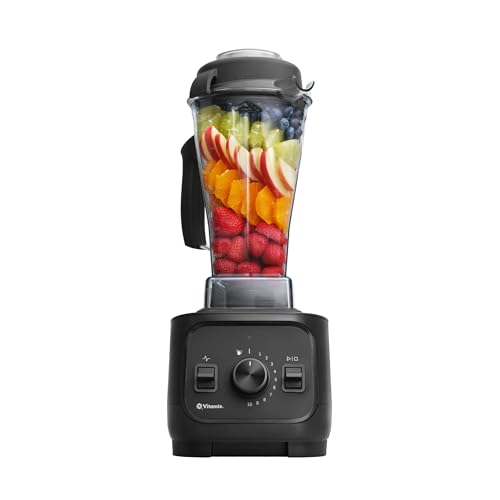
Vitamix VX1 Professional-Grade Blender 64 oz

Vitamix 48 oz. Stainless Steel SELF-DETECT Container
What Each Pick Brings To The Table
Stick this immersion blender straight into a simmering pot and you skip the whole “transfer to a blender, blend in batches, wash the pitcher” routine. The 625-watt motor drives a stainless steel blade that breaks down root vegetables and cooked greens quickly, and the five-speed dial gives you a usable range from chunky chowder to velvet-smooth bisque without swapping tools.
For most home cooks who make soup once or twice a week, this is the sweet spot between a basic handheld stick and a full countertop setup. It’s lighter and easier to maneuver than the KitchenAid models below, though the bell guard on those is friendlier to nonstick cookware.
Advantages To Know
- 625-watt motor handles tough root vegetables without stalling mid-purée
- Five-speed dial covers chunky, creamy, and ultra-smooth textures in one tool
- Stainless steel shaft wipes clean in seconds under running water
- Blends directly in the pot, cutting your post-dinner cleanup roughly in half
- Compact storage in a drawer or small cabinet, no counter footprint
Things To Consider
- Corded design means staying near an outlet while blending
- Hot liquids can climb the shaft if the pot is very full, so work in shorter bursts
Feature Snapshot
Right Fit For
Weeknight cooks who want one tool that purees soup, smoothies, and sauces without dragging out a full-size machine.
Skip It When
You’d rather have a full countertop base, in which case the Ninja BL660 below handles larger batches with a hands-off approach.
This is a 48-ounce replacement container, not a standalone blender, so its value depends on whether you already own a compatible Vitamix base. SELF-DETECT technology (a wireless handshake between the container and the motor base) means the machine automatically adjusts its settings for the vessel you’ve attached, so you don’t have to think about presets.
For hot-soup work, the 48-ounce capacity hits a comfortable middle ground between the smaller personal cups and the 64-ounce full-size jar. It’s worth grabbing if your existing container is cloudy, cracked, or just too big for the small batches you typically make.
What Makes Sense
- Self-detecting connection adjusts blend profiles automatically
- 48-ounce size suits small-to-medium batches, ideal for two-to-four servings of soup
- BPA-free Tritan plastic is lighter than glass and easier to lift when full
- Compact profile slides under most upper cabinets
Worth Noting
- Requires a compatible Vitamix Ascent or Venturist series base to function
- Plastic body can develop cloudiness over years of high-heat cycles
Whose Shelf It Belongs On
Current Vitamix owners with a worn-out or undersized container who want a dedicated hot-soup jar.
Consider Something Else When
You don’t yet own a Vitamix base; the Vitamix E320 Explorian below is a better starting point with a full-size 64-ounce container included.
KitchenAid’s KHBV53 hand blender trades a fixed speed dial for a variable-speed trigger, so the harder you squeeze, the faster the blade spins. That intuitive control is genuinely useful when you’re easing into a pot of hot soup and want to avoid splashing. The 8-inch removable blending arm with a 4-point stainless steel blade reaches comfortably into deeper stockpots.
Unlike the Vitamix immersion above, this one includes a US-patent-pending removable pan guard that helps protect your nonstick cookware from scratches. It feels like a tool designed for cooks who use their favorite pot rather than transferring everything to a separate pitcher.
The Practical Payoff
- Variable-speed trigger offers instant texture control mid-purée
- Removable pan guard shields nonstick and enameled cookware from blade contact
- Detachable blending arm simplifies rinsing and dishwashing
- Includes a 3-cup BPA-free blending jar for smaller prep work
Trade Offs
- Motor is less powerful than the Vitamix immersion above, so very fibrous greens may need extra time
- Corded, so you’ll need an outlet within reach of the stove
- The trigger ergonomics take a recipe or two to master
Best Suited To
Home cooks who blend soup directly in their Dutch oven and value cookware protection over raw power.
Another Choice May Suit
Frequent batch-cookers who want more muscle should look at the KitchenAid KHBV83 below, which adds a whisk and chopper attachment for more versatility.
The BL660 brings genuine countertop muscle to hot-soup work. Its 1100-watt base and Total Crushing blade system turn roasted vegetables and tomato bases into smooth purées quickly, and the 72-ounce pitcher is generous enough to handle a full dinner-party batch in one go. It’s a different beast from the immersion picks above, since you’ll be ladling hot liquid into the pitcher.
For soup makers who also want to crush ice and blend frozen drinks, the included 16-ounce to-go cups add real day-to-day versatility. Compared to the Vitamix countertop models later in this list, the BL660 trades some refinement for raw wattage.
Useful Strengths
- 1100-watt motor powers through ice and fibrous vegetables without stalling
- 72-ounce pitcher supports large-batch cooking and entertaining
- Comes with two 16-ounce to-go cups for smoothies and personal portions
- Three function modes cover blending, crushing, and pulsing
Room For Improvement
- Pitcher is plastic, which can hold odors from strongly spiced soups over time
- Larger footprint on the counter than an immersion stick
- Hot liquids must be cooled slightly before pouring in to avoid pressure buildup
Who It Suits Best
Meal-preppers and family cooks who blend big batches on weekends and want one machine for soup, smoothies, and frozen drinks.
Reach For A Different Pick When
You mostly make one or two servings at a time, in which case the Vitamix 5-Speed Immersion above is more storage-friendly.
Where the KHBV53 keeps things simple, the KHBV83 expands into a small kitchen system. You still get the 8-inch removable blending arm with a 4-point stainless steel blade and the pan guard, but the package adds a 4-cup BPA-free blending jar, a whisk, and a chopper. For someone who wants a single tool to handle soup, whipped cream, pesto, and small chopping jobs, the extras earn their keep.
The variable-speed trigger behaves the same as its sibling’s, so the learning curve stays low. It costs more than the KHBV53, but only because of the attachments, not because the motor is stronger.
Good Reasons To Consider
- Multi-attachment kit covers blending, whisking, and chopping in one purchase
- Removable pan guard protects nonstick and ceramic-coated cookware
- 4-cup blending jar handles smaller soup portions without dirtying a full pitcher
- Variable-speed trigger gives real-time texture feedback
Worth Noting
- More parts to store than a basic immersion blender
- Same motor strength as the KHBV53, so it isn’t a power upgrade
- Attachment swaps require a moment to click into place securely
Who Should Grab It
Cooks who want one slim tool to replace a whisk, mini chopper, and immersion blender in a small kitchen.
A Better Fit Elsewhere
Stick to the KitchenAid KHBV53 above if the whisk and chopper would just sit in a drawer unused.
The Obliterator is the highest-wattage machine in this lineup, and on paper it shows. The 1380-watt motor drives a stainless steel blade through nuts, frozen fruit, and tough vegetable stocks with what the brand describes as a cool, quiet airflow system. A built-in Auto Blend function (an automated cycle that detects load and adjusts time) takes some of the guesswork out of hitting the right texture for soups and sauces.
Compared to the Ninja BL660 above, it sits in a similar countertop category but leans toward automation and a quieter run. A tamper and scraper are included, which is rare at this tier and helpful for thick purées.
The Case For It
- 1380-watt motor is the strongest in this roundup for stubborn ingredients
- Auto Blend function simplifies texture decisions during busy cooking sessions
- Includes a tamper and scraper for thick, viscous purées
- Airflow design aims to keep the motor cooler during long cycles
Softer Spots
- 48-ounce capacity is smaller than the Ninja’s 72-ounce pitcher
- Larger counter footprint than a hand-held option
- Auto cycle can over-process delicate herb soups if left running too long
Right Fit For
Cooks who want a do-it-all countertop blender with enough power to handle nut-based soups like cashew or romesco.
Look Elsewhere When
You mostly make small servings, in which case the Braun MQ5000 below gives finer speed control in a stick format.
The MQ5000’s standout spec is its 21-speed range, controlled digitally rather than by a trigger, so you can lock in a precise RPM for delicate finishes. A bell-shaped blending shaft reduces suction at the bottom of the pot, which means the blade draws food inward more efficiently and you spend less time chasing chunks around with the wand.
At 400 watts, it’s the lightest-duty immersion option here, but that translates to a lighter grip and quieter run. It’s a thoughtful pick for cooks who care more about finesse than brute force.
Positive Takeaways
- 21-speed digital dial unlocks fine texture adjustments
- Bell-shaped shaft minimizes suction for smoother, faster results
- SplashControl design keeps stovetops cleaner during blending
- EasyClick attachment system swaps accessories in one motion
Honest Caveats
- 400-watt motor is the gentlest in this roundup, so dense root vegetables take patience
- More speed settings than most cooks actually use day to day
- Premium feel comes with a higher price than basic sticks
Made For
Cooks who obsess over the difference between a fine and a coarse purée and want that control in a hand-held form.
Where A Sibling Pick Shines
For sheer power in the immersion format, the Vitamix 5-Speed Immersion above is the better match for fibrous ingredients.
The E320 Explorian slots into Vitamix’s lineup as a balanced home model, not stripped down, not flagship. Ten variable speeds let you move from smooth purées to chunkier blends, and a Pulse feature lets you layer textures in the same batch. The 64-ounce container suits family-sized batches of soup or sauce, which means fewer refills on a Sunday prep day.
Compared to the cheaper BL660 above, you trade raw wattage for Vitamix’s signature blade geometry and build quality. Soup, frozen desserts, and nut-based sauces all sit comfortably inside what this machine can do.
Real-World Strengths
- Ten variable speeds give more control than most countertop blenders offer
- 64-ounce container handles family-size batches of soup
- Pulse feature supports layered textures in a single vessel
- Build quality is consistent with Vitamix’s reputation for long service life
Points To Keep In Mind
- Container is tall, so clearance under low-hanging cabinets can be tight
- Price sits above basic mid-range countertop blenders
- Noise level is noticeable at the highest settings
Who It Suits Best
Home cooks ready to step up to a premium countertop blender without paying for the flagship tier.
Swap It Out When
You want a smaller, lighter countertop option, in which case the Vitamix VX1 below trims size while staying in the brand family.
The VX1 is positioned as a first step into Vitamix ownership. It keeps the essentials: a robust motor, laser-cut stainless-steel blades, and a classic 64-ounce container that handles both single-serve smoothies and full soup batches. Owners looking for a cleaner, simpler control dial should feel at home here, since the machine focuses on what the brand describes as the core blending experience.
For hot-soup work, the VX1’s container is large enough that you can blend a full pot’s worth in one cycle. Compared to the E320 above, you give up a bit of speed range, but the basic textures soup lovers want, smooth, creamy, and consistent, are well within reach.
What Pays Off
- Laser-cut stainless steel blades maintain sharpness over years of use
- 64-ounce container balances single servings and large batches
- Simpler control layout reduces the learning curve for new premium-blender owners
- Build quality matches Vitamix’s broader reputation for durability
Things To Weigh
- Fewer speed settings than the E320, so texture refinement is more limited
- No SELF-DETECT compatibility, so you can’t swap in the smart containers above
- Counter footprint is still substantial for small kitchens
Right Fit For
First-time Vitamix shoppers who want the brand experience without the highest-tier complexity.
Consider Something Else When
You already own a Vitamix base, since the SELF-DETECT containers above would deliver more value as accessories.
Where the Tritan container above keeps weight low, this stainless-steel SELF-DETECT version trades a few extra pounds for serious durability. Hot tomato soup, butternut squash, and lentil purées all cycle through stainless without the clouding or staining that plastic jars can develop over time. SELF-DETECT means the base adjusts settings automatically when this jar is locked in.
It’s a smart pick for someone who makes soup multiple times a week and wants a container that holds up to years of heat cycling. The catch is the same as with the Tritan version: you need a compatible Vitamix Ascent or Venturist base to use it.
What Works In Its Favor
- Stainless steel body resists stains, odors, and clouding from hot soups
- SELF-DETECT pairing optimizes blend cycles automatically
- 48-ounce size is practical for small-to-medium family batches
- Dishwasher-safe design simplifies cleanup after heavy use
Points To Note
- Heavier than the plastic Tritan container, so lifting full loads requires a firm grip
- Requires a compatible Vitamix Ascent or Venturist base
- Higher price than plastic alternatives
Right Fit For
Frequent soup makers who want a workhorse container that won’t degrade from heat and repeated blending cycles.
A Better Fit Elsewhere
Occasional soup cooks may find the Vitamix 48 oz. SELF-DETECT Container in Tritan above lighter and easier to handle.
Choosing The Right Tool For Your Kitchen
Soup puts a unique stress on a blender. You are often working with hot liquid, fibrous vegetables, and a need for a consistent, lump-free texture, all at once. Thinking about how you actually cook is more useful than chasing the highest wattage or the most accessories.
Wattage And Blade Design
For stovetop-to-bowl work, a motor in the 400 to 625-watt range is plenty when paired with a sharp stainless-steel blade. Countertop models above 1000 watts handle ice and frozen ingredients more easily, which matters for smoothie drinkers but isn’t essential for soup. Blade shape, including bell-shaped shafts on hand blenders and total-crushing geometries on countertop jars, affects how efficiently food is drawn into the cutting zone.
Container Material And Size
Stainless steel and Tritan plastic are the two main options. Stainless lasts longer under heat but weighs more, while Tritan is lighter and easier to handle when full. A 48-ounce container is comfortable for two to four servings; a 64- or 72-ounce vessel makes sense for meal prep or entertaining.
Speed Control And Safety
Variable-speed triggers and digital speed dials let you ease into a hot pot without splashing. Features like pan guards and SplashControl help protect cookware and countertops, especially when blending directly in a Dutch oven. SELF-DETECT technology, where the container communicates with the motor base, simplifies settings and reduces guesswork.
Immersion Vs. Countertop
Immersion blenders win on cleanup, storage, and direct pot use. Countertop blenders win on raw power, hands-off operation, and large batches. Many home cooks end up with one of each, since the formats complement rather than duplicate each other.
Key Considerations Across These Picks
Common Shopping Slip Ups
The most frequent mistake is buying on wattage alone, without checking the container material or compatibility. A high-wattage countertop blender is wasted on someone who only makes one bowl of soup at a time, and a feature-rich immersion stick is overkill for a cook who never blends directly in the pot. Another trap is buying a SELF-DETECT container without confirming a compatible base at home, which turns an accessory into a paperweight.
What The Higher Tier Buys
Stepping up to a premium model typically delivers a stronger motor, more durable container materials, and additional speed or program controls. For daily soup makers, that often means faster cycles, longer service life, and less manual tinkering. For occasional users, the upgrade is harder to justify, since a mid-range machine covers the basics just as well. The right call depends on how often you’ll reach for it and how much you value consistency in the final texture.
Frequently Asked Questions
Can any blender handle hot soup?
Not every model is built for it. Countertop blenders with vented lids and sturdy pitcher materials are best for hot liquids, and immersion blenders are ideal because they work directly in the pot. Always vent steam when transferring hot soup into a countertop jar.
How important is wattage for hot-soup blending?
Wattage matters more for ice and frozen fruit than for cooked vegetables. For pureeing warm or hot soups, blade design and container shape often make a bigger practical difference than a higher wattage number alone.
Are immersion blenders easier to clean than countertop blenders?
Generally, yes. The blending arm detaches in most models and rinses under running water, and you skip washing a full pitcher. Countertop blenders require more disassembly but are still manageable with warm soapy water.
Do I need a stainless-steel container for soup?
Stainless steel offers better longevity and stain resistance, especially with tomato and turmeric-based soups. Tritan plastic is lighter and more affordable, but can develop cloudiness over years of high-heat cycles.
What size container works for a family?
A 48-ounce container comfortably handles two to four servings, while a 64- or 72-ounce pitcher fits full family meals and batch cooking. Smaller households often prefer the 48-ounce size for easier storage and lighter lifting.
The Takeaway
The right blender for hot soup depends less on specs and more on how you cook. Reach for an immersion stick if you want direct pot-to-bowl ease and minimal cleanup, and lean toward a full countertop model if you batch-cook or want hands-off operation. For Vitamix owners, a SELF-DETECT container can extend an existing machine into a soup specialist without buying a whole new setup. Match the tool to your kitchen habits, and the silky pot of soup you’re after will show up on the table with a lot less effort.



