

A reliable blender food processor combo earns its counter space the hard way: through weeknight smoothie runs, Saturday batch prep, and the quiet moments when someone reaches for it instead of the cutting board. This list focuses on machines that handle both jobs without becoming two separate appliances to clean and store. The picks range from compact choppers for small kitchens to full-size systems with dough hooks and single-serve cups, so the right match depends on how you actually cook, not how a product page frames itself.
The Choices Worth Comparing

Ninja Compact Kitchen System, 1200W, 72oz Pitcher, Grey (AMZ493BRN)

Ninja Professional Blender 2.0, 1200W, Auto-iQ, 72oz (BR201AMZ)
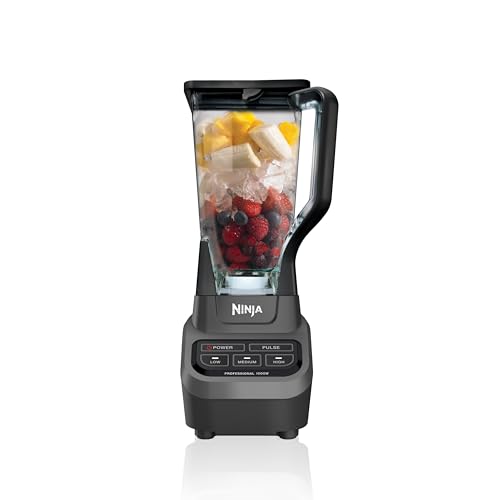
Ninja Professional Blender, 1000W, 72oz Pitcher (BL610)

Ninja Kitchen System All-in-One, 72oz Pitcher, 8-Cup, 1200W (BR601AMZ)

Ninja Express Chop, 200W, 16-Ounce Bowl (NJ110GR)

Ninja Mega Kitchen System, 1500W, 72oz Pitcher, 8-Cup (BL770)

Ninja Professional Plus Kitchen System, 1400W, Auto-iQ (BN801)

Ninja Mega Kitchen System, 1500W, 72oz Pitcher, 8-Cup (BL770AMZ)

Ninja Express Chop (NJ100, 300W)
Inside Each Recommended Option
The Ninja Compact Kitchen System earns its spot at the top because it pulls double duty without demanding two motor bases on the counter. One 72-oz pitcher handles the morning smoothie crowd, while a smaller 5-cup processor bowl steps in for salsa, chopped veggies, and nut-crumbing tasks that would bog down a standard blender.
Auto-iQ presets take the guesswork out of timing and pulse patterns, which helps when the machine gets used by multiple people with different recipes. For most busy households, this is the most flexible pick on the list without crossing into full kitchen-system territory.
Good Reasons To Consider
- 72-oz pitcher covers family-sized smoothie batches in a single cycle
- Auto-iQ programs run timed blend and pause sequences for consistent texture
- 5-cup processor bowl handles chopping tasks that a standard blender cannot
- Single-serve cup adds grab-and-go flexibility for solo mornings
- Dishwasher-safe parts reduce cleanup friction on busy weeknights
Points To Keep In Mind
- The footprint is larger than a single-function blender, so counter planning matters
- Multiple containers mean more lids and blades to track in storage
Feature Snapshot
Right Fit For
Households that want one motor base covering smoothies, sauces, and chopping without dedicating separate counter space to each.
Consider Something Else When
Solo dwellers in tight kitchens should look at the more compact Ninja Express Chop (NJ100, 300W), which handles smaller batches in less space.
The Professional Blender 2.0 strips the system down to its core: a single 72-oz pitcher powered by a 1200W motor. Without the processor bowl, it dedicates its real estate to what a blender actually does best, which is crushing ice, pulverizing frozen fruit, and turning fibrous greens into smooth drinks.
The Crush Auto-iQ program is the convenience feature here, running a timed blend-and-pulse cycle so you walk away instead of watching the pitcher. Compared to the all-in-one Compact Kitchen System reviewed above, this model trades versatility for a smaller footprint and a sharper focus on drink performance.
Strong Points
- 1200W power with Total Crushing blades tackles ice and frozen ingredients quickly
- Auto-iQ Crush preset removes the need to monitor the cycle
- Four manual speeds give you direct control when presets don’t fit the recipe
- Dishwasher-safe parts simplify cleanup after protein shakes and sauces
Honest Caveats
- No food-processor bowl means chopping jobs still require a cutting board
- Lacks single-serve cups for on-the-go portioning
Quick Technical Notes
Whose Shelf It Belongs On
Daily smoothie drinkers and frozen-drink fans who want strong blending power without paying for processor attachments they won’t use.
Look Elsewhere When
Home cooks who regularly process dough or chop vegetables should consider the Ninja Professional Plus Kitchen System (BN801) instead, since it includes a processor bowl and dough function.
The BL610 is the long-running workhorse of the Ninja lineup, and it shows in the straightforward design. A 1000W motor drives Total Crushing blades through the same 72-oz pitcher found on more expensive siblings, with three manual speeds and a pulse function. There are no smart programs or auto modes, which some people genuinely prefer.
For shoppers who want honest blending without paying for features they will never touch, this model holds its ground against the Professional Blender 2.0 reviewed above. The trade-off is 200 fewer watts and one less speed, though in everyday use that gap often goes unnoticed.
Practical Advantages
- 1000W motor crushes ice and blends tough ingredients reliably
- 72-oz pitcher handles family-sized batches
- Simple three-speed plus pulse interface avoids the learning curve
- Dishwasher-safe components make cleanup straightforward
Trade-Offs To Consider
- No auto-programs, so you set the timing manually for each recipe
- No food-processor bowl or single-serve cups included
- Slightly less powerful than the 1200W models in the same family
Who It Suits Best
Practical shoppers who want a sturdy, no-frills blender for daily smoothies, frozen drinks, and sauces without paying for automation.
Another Choice May Suit
Cooks who want preset programs and hands-free cycles will be happier with the Ninja Professional Blender 2.0 (BR201AMZ) and its Auto-iQ Crush mode.
The BR601AMZ is the larger sibling to the Compact Kitchen System reviewed first, swapping the smaller 5-cup processor for an 8-cup bowl and adding a dedicated dough function. That extra processor capacity matters when you’re making pizza dough, pie crusts, or a big batch of hummus without having to do it in shifts.
Five preset programs cover smoothies, frozen drinks, chopping, dough, and a dedicated processing cycle. Compared to the Compact Kitchen System, this model targets cooks who want one machine replacing a stand mixer attachment and a separate food processor on the counter.
Practical Pluses
- 8-cup processor bowl handles dough and larger chopping jobs in a single batch
- Five preset programs simplify switching between blending, chopping, and dough tasks
- 72-oz pitcher matches the family-friendly capacity of smaller Ninja systems
- 18-oz single-serve cup supports grab-and-go routines
Worth Bearing In Mind
- Counter footprint grows with the larger processor bowl and additional attachments
- More presets mean more buttons to learn before muscle memory kicks in
Key Product Details
Best Suited To
Home cooks replacing multiple small appliances who want preset programs for dough, chopping, and frozen drinks in one motor base.
Skip It When
Solo smoothie drinkers should consider the simpler Ninja Professional Blender 2.0 (BR201AMZ), which delivers the same 72-oz pitcher without the extra processor weight.
The Express Chop lives in a different category than the full-size systems on this list. A 200W power pod sits on top of a 16-oz bowl, designed for quick finishing work: minced garlic, diced onion, ground nuts, chopped herbs, and small batches of dressing. It is the kind of tool that earns a permanent spot on the counter because it replaces a cutting board for ten-minute tasks.
The manual press-down operation feels closer to a traditional chopper than a blender, which keeps the footprint tiny. For apartment cooks or anyone tired of pulling out a full-size blender for a quarter-cup of chopped parsley, this is a low-fuss addition.
Where It Delivers
- 200W power pod handles garlic, onion, herbs, and nuts in seconds
- 16-oz bowl suits small finishing tasks that don’t justify a full blender
- Compact footprint fits in cabinets, on small counters, or beside a coffee maker
- Simple press-down operation has no programs to memorize
Practical Considerations
- Not designed for frozen drinks, ice crushing, or large smoothie batches
- 16-oz capacity limits how much you can prep at once
Made For
Apartment dwellers, dorm cooks, and anyone who wants a quick-prep helper alongside a larger blender rather than a replacement for one.
Where Another Pick Suits Better
Anyone who wants both chopping and smoothie capability from a single base should look at the Ninja Compact Kitchen System (AMZ493BRN), which handles both jobs.
The BL770 was the original Mega Kitchen System, and the 1500W motor still ranks as one of the most powerful options in this roundup. The 2+ HP equivalent handles thick dough, dense chopping jobs, and full-pitcher frozen drinks without hesitation, which is more than most home cooks will ever throw at it.
Two 16-oz Nutri Ninja cups come in the box, adding portable options that the larger BR601AMZ reviewed above does not match. Compared to that system, the BL770 trades a few preset programs for raw wattage and the dual single-serve cups.
What Works In Its Favor
- 1500W motor crushes ice, blends frozen fruit, and powers through thick dough
- 72-oz Total Crushing pitcher handles family-sized batches
- 8-cup processor bowl supports chopping and mixing larger quantities
- Two 16-oz to-go cups included for single-serve drinks
Possible Compromises
- Heavier and bulkier than mid-range systems, so storage planning helps
- No dedicated auto-iQ presets, so timing is manual
- Higher wattage can mean more noise during heavy cycles
Who Should Grab It
Cooks who regularly process thick dough, big smoothie batches, or fibrous vegetables and want extra motor headroom for tough jobs.
Not Your Match When
Shoppers wanting automated preset cycles should look at the Ninja Professional Plus Kitchen System (BN801), which adds Auto-iQ to similar capacity.
The BN801 sits at the top of the current Ninja lineup for shoppers who want both raw capability and modern automation. A 1400-watt peak motor (the source notes the “WP” rating refers to peak wattage) drives five functions, including smoothies, frozen drinks, chopping, dough, and a dedicated extraction cycle for nutrient blends.
The 64-oz processor bowl is larger than the 8-cup option found on the BR601AMZ reviewed earlier, and the 24-oz single-serve cups (two included) outsize the 18-oz cup on older systems. For most households, the BN801 is the upper bound of what a Ninja kitchen system delivers.
Positive Takeaways
- 1400W peak motor handles dough, ice, and frozen ingredients without strain
- Auto-iQ programs run timed blend-and-pulse sequences for consistent results
- 72-oz Total Crushing pitcher covers large family batches
- Two 24-oz single-serve cups fit larger smoothies and protein shakes
Where It May Fall Short
- Premium feature set comes with a higher investment than simpler models
- Larger processor bowl and multiple cups add storage considerations
Spec Overview
Perfect Match For
Home bakers and prep cooks who want preset programs, dough mixing, and Auto-iQ automation in a single premium system.
Where A Sibling Pick Shines
Shoppers who do not need the dough function or Auto-iQ presets can save space and cost with the Ninja Compact Kitchen System (AMZ493BRN), reviewed first above.
The BL770AMZ is the refreshed version of the BL770 reviewed above, keeping the 1500W motor and the same 72-oz pitcher and 8-cup processor bowl layout. The updates mostly show up in refreshed branding and the inclusion of a single 16-oz Nutri Ninja cup rather than two.
For shoppers who liked the BL770 formula but want a slightly modernized package, this model is essentially the same heavy-duty workhorse. If you already own the original, there is little reason to upgrade; if you are choosing fresh, both are interchangeable in everyday use.
What Earns Its Place
- 1500W motor delivers the same high-power blending as the original BL770
- 72-oz pitcher and 8-cup processor bowl support family-sized cooking
- Total Crushing technology handles ice and frozen fruit efficiently
- Refreshed exterior styling fits modern kitchen aesthetics
Details To Watch
- Only one single-serve cup included, where the original BL770 included two
- No Auto-iQ presets, so timing stays manual across cycles
Built With In Mind
Households that want a heavy-duty Ninja system and do not need automated programs or multiple single-serve cups.
Swap It Out When
Anyone wanting two portable cups and Auto-iQ presets in the same high-wattage class should look at the Ninja Professional Plus Kitchen System (BN801) instead.
The Express Chop NJ100 is the smallest, most affordable pick on this list, and the simplest. A 300W power pod drives a stainless steel blade in a small bowl, designed for finishing tasks that a cutting board handles awkwardly. The stainless steel construction adds a bit of durability to the lightweight design.
For anyone cooking in an RV, a dorm, or a studio kitchen with limited drawer space, this is the kind of tool that disappears into a cabinet and reappears when needed. The trade-off is that it cannot blend, crush ice, or make a smoothie; it is strictly a finishing tool.
Real Benefits
- 300W power pod with stainless steel blade handles small chopping jobs quickly
- Tiny footprint stores in cabinets and tight spaces
- Press-down operation is intuitive and requires no setup
- Lightweight build makes it easy to pass around a small kitchen
Less Ideal Details
- Not designed for blending, smoothies, or ice crushing
- Small bowl limits the volume of food you can prep per cycle
The Right Fit
Cooks in very small spaces who want a quick-prep tool for garlic, onion, herbs, and nuts without the bulk of a full blender food processor system.
Reach For A Different Pick When
Anyone who wants a small machine that can also blend smoothies should consider the slightly larger Ninja Express Chop (NJ110GR) at 200W with a 16-oz bowl, reviewed above.
Picking the Right Blend: What Actually Matters
Wattage tells you how hard a machine works, but it does not tell you whether it fits your kitchen. A 1500W motor in a system you rarely use is just dead weight on the counter, while a 200W chopper that handles 90 percent of your daily prep may serve you better than a flagship system gathering dust.
Capacity drives daily usefulness more than any other spec. A 72-oz pitcher sounds generous until you remember that the usable liquid line is closer to 64 oz, which still covers family-sized smoothie batches but can be overkill for single servings. Smaller bowls shine for sauces, dips, and chopping tasks where a full pitcher would leave ingredients stuck under the blades.
Attachments and presets change how often the machine gets used. A 5-cup or 8-cup processor bowl expands a blender into a dough mixer, salsa maker, and nut grinder, which matters for cooks replacing multiple small appliances. Single-serve cups and Auto-iQ programs appeal to households with grab-and-go routines. Manual-only machines cost less and suit cooks who like setting their own blend times.
Storage and cleanup are the unglamorous details that decide long-term satisfaction. Dishwasher-safe parts remove a real chore, and storing multiple containers requires dedicated cabinet space. A compact chopper or a single-pitcher blender earns its keep by staying accessible, while a full system needs a permanent home on the counter or in a deep cabinet.
What To Watch Before You Add To Cart
Common Slip Ups When Choosing A Blender Food Processor
The most common mistake is buying the largest pitcher available because the capacity sounds impressive, only to discover that the machine rarely gets used at full capacity. Solo drinkers and small-household cooks tend to leave 72-oz systems underutilized, paying for capacity they never need. The honest read is that matching capacity to your actual batch size matters more than chasing the biggest number on the box.
Another trap is overlooking the difference between a blender with a small processor bowl and a true kitchen system. A 5-cup bowl is enough for chopping a few onions, but it cannot handle bread dough or a double batch of hummus. Before buying, picture your biggest regular prep task and confirm the included attachments can handle it.
Where The Extra Money Actually Goes
Stepping up to a 1400W or 1500W model buys motor headroom, which matters for thick dough, dense chopping, and ice-heavy drinks. For most home cooks, the upgrade is worth it only when you regularly push the machine to its limits. Casual smoothie drinkers will rarely notice the difference between 1000W and 1500W, while weekly bakers and batch-prep cooks will feel the gap immediately.
Higher-tier models also tend to add Auto-iQ presets, larger processor bowls, and extra single-serve cups. Those features save time and reduce the number of appliances on the counter, but they also raise the price and the storage footprint. The honest tradeoff: pay more for power and presets when you use them, and save when you would not touch the extra functions.
Frequently Asked Questions
Can a blender food processor replace a stand mixer?
For light doughs like pizza or pastry, a system with a dedicated dough function can handle the job in a kitchen system with a 64-oz or 8-cup processor bowl. Heavy bread doughs with high hydration are still easier in a stand mixer, so a blender food processor works as a supplement rather than a full replacement for serious bakers.
How loud are these machines at full power?
High-wattage models running ice-crushing or dough cycles tend to be noticeably loud, similar to other full-size blenders. Lower-wattage choppers run quieter because they handle smaller volumes. Noise rarely drives buying decisions in this category, but it is worth noting for open-concept kitchens.
Are the blades safe to wash in a dishwasher?
Most Ninja blender food processor parts are listed as dishwasher-safe, though hand-washing the blade assemblies extends their sharpness over time. The pitchers, lids, and cups generally tolerate dishwasher cycles well.
Do I need single-serve cups?
Single-serve cups make sense for households with grab-and-go routines or different drink preferences each morning. For cooks who always blend full pitchers and pour into glasses, the cups add storage clutter without much daily use.
What is Auto-iQ and is it worth it?
Auto-iQ is Ninja’s preset program system, which runs timed blend and pulse sequences for specific tasks like crushing ice or making smoothies. The honest take: it removes a small amount of guesswork, but most recipes work fine with manual controls once you learn your machine.
The Takeaway
The right blender food processor depends less on specs and more on what you cook, how often you cook it, and how much counter space you can give up. Large families running daily smoothie routines will find the most value in the higher-wattage kitchen systems, while small-space cooks and finishing-task heavy cooks will be happier with a compact chopper beside a mid-range blender. Match the machine to your real habits, and the rest of the decision tends to fall into place.



