

A solid stand mixer changes the rhythm of weekend baking. The tilt-head format, where the motor housing pivots back to swap attachments and access the bowl, makes adding flour mid-recipe far easier than reaching over a fixed bowl-lift column. You will find six solid tilt-head picks here, ranging from compact 4.5-quart workhorses to roomy 6.5-quart family-sized bowls, so you can match capacity, color, and budget to your kitchen without overspending on features you will not use.
An Overview Of The Picks

KitchenAid Classic Series 4.5 Quart Tilt-Head Stand Mixer K45SS

KitchenAid KSM150PSTG Artisan Series 5-Qt. Stand Mixer (Tangerine)
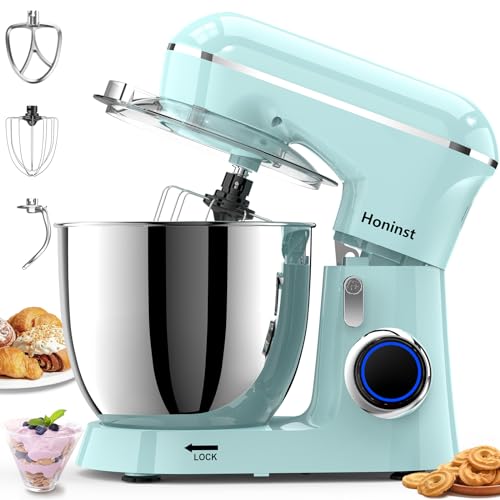
Honinst 6.5QT 10-Speed Tilt-Head 3-IN-1 Electric Food Mixer

VIVOHOME Stand Mixer with Dough Proofing, 6-Quart Tilt-Head, Red

VIVOHOME Stand Mixer, 6-Quart Tilt-Head Kitchen Mixer, Red

VIVOHOME 3-in-1 Stand Mixer, 6-Quart Tilt-Head, 10 Speeds, Red
Why These Options Stand Out
The Classic K45SS has earned its reputation by sticking to the basics and executing them well. The all-metal body gives it a planted, confident feel on the counter, and the 4.5-quart stainless bowl handles a standard batch of cookies or a single loaf of bread without crowding. Planetary mixing, where the head stays still while the attachment sweeps the bowl’s full circumference, keeps ingredients from pooling at the edges, and the flat beater, dough hook, and wire whip cover most home recipes.
For small households or anyone baking two or three times a week, this is a comfortable first mixer. You trade the Artisan’s color variety and pouring shield for a lower price and the same proven motor platform, so beginners get a dependable machine without paying for cosmetics they may not care about.
Real-World Strengths
- Durable all-metal housing holds up to years of regular use
- 4.5-quart bowl fits roughly 8 dozen cookies in a single batch
- Ten mixing speeds give precise control from gentle folding to stiff dough
- Includes flat beater, dough hook, and wire whip for everyday versatility
- Smaller footprint suits galley kitchens and tight counter space
Worth Noting
- Bowl is hand-wash only despite the stainless finish, which adds a small cleanup step
- Lacks a pouring shield, so flour-heavy recipes can dust the counter
- No color options beyond the white finish
Key Specs
Right Fit For
Beginner bakers and small households who want a no-frills workhorse from a recognized brand and do not need extra bowl capacity.
Look Elsewhere When
You bake in larger volumes and would benefit from the roomier 6.5-quart bowl of the Honinst Stand Mixer, which handles triple-loaf dough sessions.
Step up from the Classic and you land at the Artisan, where the real draw is personality. The KSM150PSTG comes in over 20 color choices, with the tangerine finish here being one of the bolder options for a pop of warmth against neutral cabinetry. The 5-quart bowl adds enough headroom for a double batch of cookies, and the included pouring shield lets you add chocolate chips or milk mid-mix without stopping the machine.
Compared with the K45SS, you get a roomier bowl, the color variety, and the shield, but the motor output and planetary mixing action stay in the same family. For many home bakers, the Artisan hits a sweet spot where capacity, style, and KitchenAid’s attachment ecosystem all line up.
Notable Gains
- 5-quart bowl handles a double batch of cookies or a larger bread recipe
- Pouring shield reduces flour clouds and lets you stream liquids mid-mix
- Wide color range lets the mixer double as a counter accent
- Compatible with the full KitchenAid attachment ecosystem for pasta, meat grinding, and spiralizing
Points To Keep In Mind
- Heavier than the Classic, so moving it between cabinets and counters takes two hands
- Pouring shield adds a part to hand-wash after wet batters
- Some color finishes show fingerprints more than the classic white
The Right Fit For
Home bakers who want a mixer that looks intentional on the counter and occasionally handles larger batches than the K45SS can manage.
Swap It Out When
You prioritize a built-in dough proofing cycle for yeast baking, which the VIVOHOME 6-Quart Tilt-Head Mixer with Dough Proofing handles automatically.
Where the KitchenAid options top out at 5 quarts, the Honinst pushes the bowl to 6.5 quarts, the largest capacity in this roundup. A pure copper motor drives the planetary mixing action, and ten speed settings cover everything from gentle egg-white folding to aggressive dough kneading. The 3-in-1 framing refers to the bundled attachments: a flat beater, dough hook, and wire whip, so you can move between cookies, bread, and meringue without buying extras.
For households that bake two loaves at a time or run a weekly sourdough schedule, the extra headroom makes a real difference. The splash guard is part of the package too, which keeps flour inside the bowl during slow additions of dry ingredients.
Practical Pluses
- 6.5-quart bowl fits triple-batch cookies or multi-loaf bread dough
- Pure copper motor handles stiff doughs without bogging down
- Splash guard ships in the box for cleaner counters during flour-heavy recipes
- 10 speeds give you fine control over aeration and mixing intensity
Trade-Offs
- Heaviest mixer in the lineup, so plan a permanent counter spot
- Bowl, beater, and whip need thorough hand-washing to clear sticky dough from crevices
- Fewer color options than the KitchenAid Artisan range
Whose Shelf It Belongs On
Big-batch bakers, sourdough enthusiasts, and anyone who regularly feeds a family of four or more with fresh bread and cookies.
Another Choice May Suit
Casual bakers making single loaves at a time would find the KitchenAid KSM150PSTG Artisan Series 5-Qt. Stand Mixer easier to lift and store.
The standout feature here is the dedicated Fermentation setting, which holds a stable, dough-friendly temperature so your yeast can rise in the bowl rather than a separate proofer. The VIVOHOME 6-Quart Tilt-Head Mixer with Dough Proofing also ships with three one-touch presets, a kneading cycle, a whisking cycle, and a stirring cycle, that run optimal time-and-speed profiles for each task. You still get full manual control through 11 speed settings when you want to fine-tune.
For anyone who bakes enriched breads, pizza dough, or cinnamon rolls, the built-in proofing step is a real time-saver. The 360-degree planetary action ensures the attachment reaches every corner of the bowl, so you do not end up with a dry flour pocket at the bottom.
Real Benefits
- Dedicated proofing mode removes the need for a separate dough-warming box
- Three preset cycles take the guesswork out of knead, whisk, and stir timing
- 11 manual speeds for recipes that need a custom touch
- 6-quart bowl handles two loaves of bread or a heavy double batch of cookies
Some Limits To Know
- Preset cycles work best for standard recipes; very stiff or very wet doughs may need manual speed adjustments
- Proofing function draws extra power, so you may notice the motor cycling to maintain heat
- Red finish shows flour dust more than darker or patterned colors
Best Suited To
Yeast-bread bakers and pizza-dough makers who want a single appliance to handle mixing and the first rise without a separate proofing box.
Reach For A Different Pick When
You want straightforward mixing without the preset learning curve, in which case the VIVOHOME 6-Quart Tilt-Head Kitchen Mixer keeps things simple.
The straightforward 6-quart VIVOHOME skips the presets and proofing in favor of a 660W motor, ten speed settings, and a 360-degree planetary mixing head. The stainless bowl holds up to 2.2 pounds of flour, enough for about three loaves of bread, and the splash guard and standard attachments ship in the box. For most weekend bakers, that is everything needed to start on day one.
This is the no-frills sibling of the proofing model. You give up the auto-cycles and the fermentation mode, and you get a lower entry point. If you mostly bake cookies, quick breads, and the occasional batch of pizza dough, the extra presets may not earn their keep.
Features That Help
- 660W motor drives through stiff bread dough without straining
- 6-quart bowl covers family-size batches of cookies, bread, or mashed potatoes
- Planetary mixing action reaches the bowl’s edges for even blending
- Splash guard and standard attachments included in the box
Possible Compromises
- No preset cycles means you set knead times by hand
- No dedicated proofing mode, so dough still needs a warm spot to rise
- Red finish is bold; some kitchens prefer a neutral look
Who Should Grab It
Cost-conscious weekend bakers who want family-sized capacity without paying for features they will not use.
Where A Sibling Pick Shines
Yeast-bread bakers benefit more from the VIVOHOME Stand Mixer with Dough Proofing, which folds the rising step into the same machine.
The 3-in-1 design bundles a 6-quart tilt-head mixer with a 1.5L glass blender jar and a juicer attachment, so a single base powers three different kitchen tasks. A 650W pure copper motor drives the planetary mixing action, and ten speed settings give you enough range for kneading, whipping, and folding. The glass blender jar is a thoughtful touch, since it handles hot soups better than a plastic pitcher in most cases.
For small kitchens where counter space is at a premium, collapsing three appliances into one base has real appeal. You trade the modularity of the KitchenAid attachment ecosystem, which spans pasta rollers and meat grinders, for a built-in blender and juicer right out of the box.
Bright Spots
- Three appliances share one motor base, saving counter and cabinet space
- Glass blender jar handles temperature shifts better than plastic alternatives
- 6-quart mixing bowl suits family-size baking batches
- 10 speeds cover kneading, whipping, and blending in one dial
Where It May Fall Short
- Switching between mixer, blender, and juicer attachments takes a few extra steps
- Juicer attachment is best for soft produce; hard root vegetables require more prep
- Storing the blender and juicer parts requires extra cabinet space
Perfect Match For
Apartment dwellers and small-kitchen cooks who want mixing, blending, and juicing capability without dedicating counter space to three separate machines.
A Better Fit Elsewhere
Bakers focused purely on dough and batter performance get cleaner results from the KitchenAid KSM150PSTG Artisan Series 5-Qt. Stand Mixer, which is purpose-built for the task.
What To Weigh Before Choosing Your Mixer
Bowl capacity is the first decision, and it usually settles everything else. A 4.5-quart bowl handles a single loaf and a standard cookie batch, while a 5-quart model adds room for a second small loaf or a double batch of muffins. At 6 to 6.5 quarts, you can run two loaves side by side or triple a cookie recipe without splitting it across batches. Most home bakers land in the 5 to 6 quart range as the practical sweet spot.
Motor strength and speed range matter more than raw wattage numbers. Planetary mixing, where the head stays fixed and the attachment traces a full circle inside the bowl, is the standard for even blending across all six picks here. A wider speed range, from a slow stir to a fast whip, gives you control over delicate tasks like folding in whipped egg whites without deflating them.
Tilt-head versus bowl-lift is partly about habit. Tilt-head mixers pivot the motor housing back for bowl access, which most people find faster for adding ingredients mid-recipe. Bowl-lift designs keep the head locked and raise the bowl instead, which can feel more stable when kneading very stiff doughs, but that format sits outside this roundup.
Attachments and expandability are worth a look. KitchenAid’s hub opens a long list of optional add-ons, from pasta rollers to food processors, that snap onto the front of the motor. Bundled VIVOHOME and Honinst sets include the basics, but expanding their line requires checking compatibility rather than assuming a hub fits.
Weight and storage are real concerns in smaller kitchens. A 6.5-quart mixer can weigh 25 pounds or more, which is fine on a permanent counter spot but becomes a chore if you plan to slide it back into a cabinet after every use. Measure your under-cabinet clearance too, since a tall head on a tilt-head mixer needs a few inches of headroom to swing up.
Key Considerations Across These Picks
Common Shopping Slip Ups
The most frequent misstep is buying a bowl that is too small. A 4.5-quart bowl looks roomy in photos but fills up fast when you add flour, butter, and mix-ins for a holiday cookie marathon. A second common trap is ignoring the headroom above the mixer; tilt-head designs need vertical clearance to swing the motor housing back, and a low cabinet shelf can prevent the head from opening at all. A third slip is overlooking the weight, since heavy mixers that look sleek in product photos can be surprisingly hard to reposition for cleaning.
What The Higher Tier Buys
Stepping up to a larger bowl or a stronger motor mostly buys headroom and consistency. A 6.5-quart bowl lets you run a triple batch without splitting, and a higher-torque motor keeps the planetary head turning at a steady speed when the dough gets thick. Premium finishes, more color options, and bundled accessories like pouring shields or dough proofing modes also tend to show up in the upper tier, though the core mixing action stays similar across this category.
Frequently Asked Questions
How many quarts do you need in a tilt-head stand mixer?
A 5-quart bowl covers most home baking, including a double batch of cookies and a single large loaf. Choose 6 quarts or more for multi-loaf bread sessions or feeding a family of four regularly. A 4.5-quart bowl is fine for small households baking two or three times a week.
What is the difference between a tilt-head and a bowl-lift mixer?
A tilt-head mixer pivots the motor housing back so you can reach the bowl, swap attachments, and add ingredients. A bowl-lift mixer keeps the head fixed and raises the bowl on a lever instead. Tilt-head designs feel faster for ingredient additions, while bowl-lift models can feel more planted during heavy dough kneading.
Can a tilt-head stand mixer handle bread dough?
Yes, most tilt-head models in this roundup include a dough hook and have motors strong enough for standard bread recipes. A 4.5-quart bowl handles a single loaf comfortably, while a 6-quart or larger bowl lets you run two loaves at once. Very stiff or very wet doughs may need to be added in stages.
Do all tilt-head mixers use the same attachments?
No, attachment compatibility varies by brand and motor hub design. KitchenAid’s tilt-head models use a specific front-attachment hub, while VIVOHOME and Honinst mixers use their own bundled sets. Mixing brands can lead to a poor fit, so always check the manufacturer’s compatibility list before buying third-party add-ons.
How do you clean a tilt-head stand mixer?
The bowl and most attachments are stainless steel and rinse clean under warm water with mild dish soap, though many owners report hand-washing gives the best results over time. The motor housing wipes down with a damp cloth, since the electrical components cannot be submerged. The splash guard, when included, also benefits from hand-washing to keep its clear finish free of clouding.



