

Picking a mixer for a home studio rarely comes down to the slickest feature list. Most setups live at the intersection of inputs, space, and the kind of work being done, whether that’s voiceover sessions, multi-mic podcasting, or tracking a small band. This roundup walks through eight options that genuinely earn a spot on a shortlist, from compact desktop boards to creator-focused bundles and the road cases that keep everything safe. Each pick is matched to a clear use case, with honest trade-offs called out so you can land on the right tool for your specific workflow.
The Choices Worth Comparing

Yamaha MG12 12-Input 4-Bus Mixer

YAMAHA MG06X 6-Input Compact Stereo Mixer

Sound Town 12U ATA Rack/Road Case with Drawer

Sound Town Lightweight 10U Rack/Road Case

Sound Town 10U Plywood ATA Rack Case

TENLAMP G10 Creator Audio Mixer with Dual Mics

TENLAMP G10 Streaming Bundle with Effects
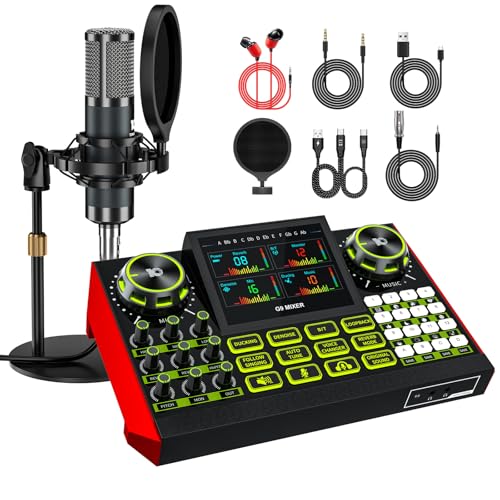
TENLAMP G9 Streaming & Karaoke Mixer Bundle
A Breakdown Of The Leading Choices
The Yamaha MG12 sits in that comfortable middle ground where a small project studio or a rehearsal space still gets meaningful routing without a learning curve. With twelve total inputs and four subgroup buses, you can keep drum mics grouped, vocals on their own fader, and stereo keys on another path without juggling. The D-PRE preamps, which are Yamaha’s discrete (built from individual components rather than a single chip) mic preamps designed to preserve low-end warmth, give vocal mics a clear, full-bodied character that benefits spoken word and singing equally.
Compared to the smaller MG06X below, this board offers real headroom for layering instruments, plus a USB interface for sending the stereo mix straight into a DAW (digital audio workstation, the software you record and edit in). For home studios tracking a band, a worship team, or a podcast with multiple guests, the MG12 earns its spot as the most balanced of the bunch.
What Makes Sense
- Four subgroup buses let you organize drums, vocals, and instruments on dedicated faders for cleaner mixing sessions.
- Switchable phantom power (the +48V supply that powers condenser microphones) on the mic channels supports studio-grade condensers without extra hardware.
- Built-in one-knob compressors on selected channels tame vocal peaks without needing outboard gear.
- USB connectivity routes the stereo mix directly into recording software, useful for capture and streaming.
- Solid metal chassis handles the bumps of a shared studio space and occasional transport between rooms.
Things To Consider
- Owners commonly report the included power supply cable as a bit short for some rack placements.
- The console is wider than compact 6- or 8-channel alternatives, so a small desk may feel crowded.
Key Specs
Made For
Project studio owners and small bands who want clean preamps, real subgroup routing, and a USB path to recording software in one box.
Where Another Pick Suits Better
Streamers and solo podcasters who need voice effects and Bluetooth will find the TENLAMP G10 Streaming Bundle a more direct fit for content creation.
The MG06X is the kind of mixer that quietly disappears into a desk, freeing up the rest of your workspace for microphones, a laptop, and a notebook. Six total inputs split between combo XLR/TRS jacks (XLR is the round mic connector, TRS is the balanced 1/4-inch jack used for line-level gear) and stereo RCA keep the unit flexible for both a podcast mic and a phone or tablet feed. The “X” in the name signals built-in digital effects, which is the real reason this little board earns attention.
For a desktop rig or a bedroom studio where space matters more than channel count, the MG06X pairs the same D-PRE preamp lineage as the larger MG12 above. Solo creators running a single mic and a couple of stereo sources get clean gain and a few reverb and modulation flavors without hauling extra gear.
Strengths Worth Knowing
- Compact metal chassis fits beside a laptop without crowding the desk surface.
- Onboard SPX-derived digital effects add reverb and delay without needing a computer or extra outboard unit.
- Class-A D-PRE mic preamp keeps vocals warm and articulate at modest gain settings.
Worth Noting
- Only one stereo input pair beyond the mic channels, limiting multi-source setups.
- No USB interface, so capturing to a computer requires a separate audio interface.
- Owners commonly mention the lack of a dedicated headphone level knob as something to plan around.
Best Suited To
Solo creators, mobile podcasters, and small desktop studios who prioritize footprint and clean preamps over channel count.
Skip It When
Multi-guest podcasters or bands need to step up to the Yamaha MG12 for its bus routing and additional mic inputs.
Even the best home studio mixer benefits from a proper case once it starts traveling. The Sound Town MR-DR12UT is built for that life, with a tour-grade plywood shell, industrial latches, and caster wheels that handle van and venue floors. The 12U configuration splits into a 10U bottom rack for power amps, signal processors, or wireless gear, and a slanted 11U top that cradles a mixer at a comfortable angle for live tweaking.
The 2U drawer tucked beneath the bottom rack is a quiet highlight. Cables, spare batteries, and small DI boxes (direct injection boxes, which convert instrument-level signals to mic-level for the board) find a clean home there, reducing the “where did I pack that XLR cable” panic on load-in day. For home studios that double as mobile rigs, the case acts as both protection and a ready-to-go workstation.
Useful Highlights
- Slanted mixer top tilts the board toward the operator, so fader access stays comfortable during long sessions.
- Dedicated 2U drawer organizes small accessories that usually end up loose in a road case.
- Industrial casters and spring-loaded handles make rolling a fully loaded case manageable for one person.
- Tour-grade plywood and metal corners hold up to repeated transport, which is the realistic lifetime of a working case.
Trade Offs
- Larger footprint than the 10U cases below, so storage space becomes a real consideration.
- Weight scales up quickly once gear is loaded, which matters for smaller vehicles.
Key Specs
Right Fit For
Mobile DJs, live sound owners, and home studios whose gear regularly travels to venues or events.
Consider Something Else When
Stationary home studios without transport needs may find the Sound Town Lightweight 10U case below easier to live with day to day.
The STRC-A10UT trades the plywood heft of the larger Sound Town cases for a lightweight ABS (acrylonitrile butadiene styrene, a tough molded plastic) shell that still protects your gear on the road. The 9U rack space and standard 19-inch depth fit a surprising range of small mixers, wireless systems, and signal processors. Removable front and rear covers make patching and service easier than fighting your way past a sealed back panel.
Retractable handle and built-in wheels make it a comfortable solo carry for the kind of gigs where one person handles everything. For creators hauling a small rig to a friend’s house, a coffee shop open mic, or a pop-up recording session, this case keeps load weight and fatigue low.
Everyday Wins
- ABS shell keeps the empty case light enough to lift into a hatchback without strain.
- Removable front and rear covers give full access to the rack rails during setup and teardown.
- Retractable trolley handle and wheels let one person move a loaded case through a venue.
Room For Improvement
- ABS plastic won’t take the same repeated abuse as the plywood case above, so very heavy road use shows wear sooner.
- Latches are functional but not as reassuring as the industrial hardware on tour-grade plywood cases.
Who It Suits Best
Solo creators, traveling podcasters, and small-DJ setups that need protection without the bulk of a full tour case.
Not Your Match When
Working acts who fly or tour heavily should look toward the plywood Sound Town 12U case above for stronger long-term protection.
The STMR-10UW is the case that lives happily in a fixed studio and still rolls out the door when a gig calls. Half-inch plywood reinforced with aluminum edges and metal corners takes the kind of bumps that crack cheaper shells. The 11U slanted top accepts a wide range of mid-size mixers, and the seven preset tilt angles let you angle the surface for seated or standing operation.
The 20-inch rackable depth, extending to 23.5 inches lid-to-lid, gives larger mixers and digital boards room to breathe. For a home studio that’s also the rehearsal room, this is the kind of case that quietly outlasts the gear inside it.
Where It Helps
- 12mm plywood and aluminum edges hold up to years of load-ins without flexing or delaminating.
- Adjustable slant angles accommodate different mixer sizes and operator heights.
- Generous rackable depth fits deeper digital mixers that shallow cases cannot accept.
- Rubber-gripped handles and quality casters make the loaded case easier to maneuver.
Points To Note
- Plywood construction adds real weight, so a hand-carry up stairs is a workout once loaded.
- Owners commonly mention the casters as the first component to consider replacing on heavily used cases.
Key Specs
Perfect Match For
Fixed studio owners who also gig occasionally, and want a single case that does both jobs well.
Look Elsewhere When
Mobile-only users who prioritize light weight will find the Sound Town Lightweight 10U ABS case a more comfortable daily carry.
The TENLAMP G10 dual-mic bundle is built around the awkward reality that most creator mixers ship with one mic, leaving a second host improvising. This kit ships with two matched 3.5mm condenser microphones and desktop stands, so two-person podcasts, interviews, and co-hosted streams work right out of the box. For two creators who want clean voice capture without juggling adapters, that’s a meaningful shortcut.
The G10 mixer side brings noise reduction, voice effects, and Bluetooth input for music or phone calls, covering the typical creator workflow in one board. Compared to the Yamaha MG12 above, you trade traditional bus routing for a feature set aimed squarely at content production rather than music tracking.
The Upside
- Dual matched condenser microphones capture two voices in balanced quality without buying a second mic later.
- Built-in noise reduction cleans up typical bedroom and home-office background noise during streams.
- Voice effects and Bluetooth input cover most creator use cases without extra gear.
Some Limits To Know
- 3.5mm condenser microphones are convenient, but they don’t match the upgrade path of XLR studio mics.
- Creator-focused feature set is less useful for music recording or instrument tracking.
Key Specs
Best Suited To
Two-host podcasters, co-streamers, and interview-format creators who want a single bundle that captures both voices cleanly.
A Better Fit Elsewhere
Solo streamers will get the same TENLAMP sound quality with fewer accessories from the single-mic G10 bundle below.
The single-mic G10 streaming bundle takes the same TENLAMP G10 mixer and pairs it with one condenser microphone and the accessories a solo creator actually needs. Where this version differs from the dual-mic bundle above is the feature set on the mixer side: voice effects, auto-tune, and Bluetooth input give solo streamers and singers a more playful toolkit. Noise reduction lives at the core, which matters in untreated home spaces.
For a streamer who wants their vocals to sit in the mix with a few flavors and a wireless path for backing tracks, this bundle hits the relevant notes without forcing an audio engineering background. You trade the Yamaha MG06X’s preamp pedigree for a more creator-tuned signal chain.
The Good Stuff
- Built-in voice effects and auto-tune give solo creators a more engaging on-stream persona.
- Bluetooth input streams backing tracks or phone audio without a separate adapter.
- Noise reduction at the mixer level reduces post-production cleanup in typical home environments.
- Single-mic bundle keeps cost and complexity lower than the dual-mic version for solo use.
Honest Caveats
- Effect-heavy workflow won’t appeal to creators aiming for a flat, broadcast-style vocal.
- Single 3.5mm microphone limits direct upgrade paths to professional XLR condensers.
Who Will Love This
Solo streamers, singers, and content creators who want voice effects and Bluetooth in a tidy single-mic package.
Reach For A Different Pick When
Two-host shows should look at the TENLAMP G10 dual-mic bundle for matched coverage from the start.
The G9 sits one rung below the G10 in the TENLAMP lineup, trading some of the more advanced effects for a simpler, more accessible kit aimed at first-time creators. You get a 3.5mm condenser microphone, the essential accessories, and a mixer with smart noise reduction that keeps voices intelligible in everyday rooms. For someone stepping into streaming or home karaoke without prior audio experience, that simplicity is the feature.
Compared to the G10 streaming bundle above, the G9 is the friendlier starting point. You’ll give up voice effects and auto-tune, but you keep the noise reduction and the bundle-based convenience that gets a setup recording the same day it arrives.
Where It Delivers
- All-in-one bundle removes the guesswork from buying a first streaming or karaoke setup.
- Smart noise reduction handles typical room noise without manual tweaking.
- Lower complexity makes it approachable for beginners who don’t want a deep feature list.
What To Weigh
- Fewer onboard effects than the G10 streaming bundle, which limits creative vocal flavor.
- 3.5mm microphone caps the path to higher-end studio condensers without an adapter.
Built With In Mind
Beginner streamers, casual karaoke hosts, and gift shoppers looking for an accessible creator bundle.
Another Choice May Suit
Creators who plan to grow into effects and auto-tune will find the TENLAMP G10 streaming bundle a more expandable starting point.
Factors To Consider When Choosing Mixers For Home Studio
Match Channel Count To Your Real Workflow
Start by counting the microphones and instruments that need to be live at once, not the theoretical total your setup might use someday. A solo podcaster gets by with a Yamaha MG06X and its six inputs, while a three-mic round-table or a four-piece band bumps you toward the MG12’s twelve. Buying extra channels you never use adds cost and desk clutter; buying too few creates daily frustration with adapters and submixes.
Decide Between Analog, Creator, And Computer-Based Signal Flow
Analog boards like the Yamaha MG-series deliver tactile control and zero-latency monitoring, which still matters for music tracking. Creator-oriented mixers like the TENLAMP G-series focus on USB or 3.5mm outputs, voice effects, and Bluetooth for streaming and podcasting. If your work happens inside a DAW (digital audio workstation), make sure the mixer either includes a USB interface or sits comfortably alongside a dedicated audio interface without driver conflicts.
Think About Portability And Case Needs From Day One
A mixer that lives on the same desk forever is a different problem from one that splits time between a home studio and a venue. Plywood road cases like the Sound Town 12U and 10U models protect gear through repeated load-ins, while the lightweight ABS case suits lighter travel. The honest read is that a great mixer in a bad case eventually becomes an expensive repair, so the case decision often deserves as much attention as the board itself.
Key Considerations Across These Picks
Pitfalls Shoppers Hit
The most common mistake is choosing a mixer by feature count alone, then discovering the workflow doesn’t match. A creator board overloaded with effects can feel gimmicky to a musician, while a project studio board with no noise reduction can make a podcast sound unpolished no matter how good the mic is. Match the mixer’s design center to your actual content, not to a feature list. Phantom power, often listed as “+48V,” is the standard voltage used to power condenser microphones, and not every board offers it on all channels. If you plan to use condenser mics, confirm the channels you need supply it.
When Paying More Pays Off
Spending up on a mixer like the Yamaha MG12 gets you cleaner preamps, more flexible routing, and a USB interface that replaces a separate audio interface. Higher-tier road cases buy you plywood construction, metal corners, and better casters, which translate to years rather than months of reliable transport. The upgrade is worth it once the mixer or case becomes a daily-use tool rather than a once-a-month accessory.



