

A packed Saturday brunch rush tells you everything about whether your citrus setup is up to the task. When tickets pile up and orders stream in, the right juicer turns into the quiet engine behind every fresh-squeezed glass. This list rounds up nine workhorse options, from hand-press classics to electric countertop models, so you can match throughput, space, and budget to the way your bar actually runs.
A Snapshot Of The Selections
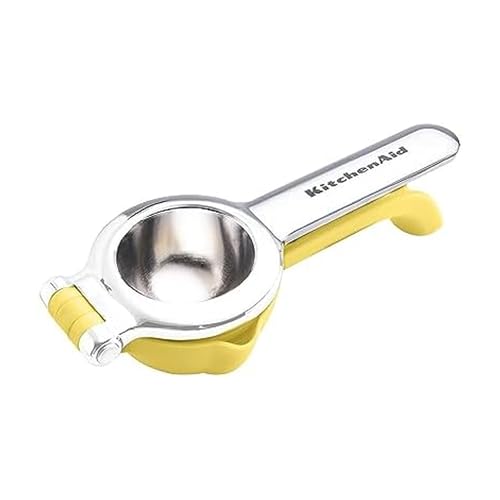
KitchenAid Citrus Juice Press Squeezer with Seed Catcher
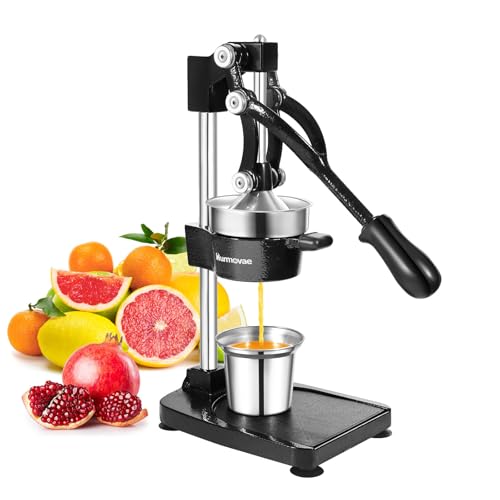
Hurmovae Cast Iron Manual Juicer for Citrus

Zulay Metal 2-in-1 Lemon Squeezer Manual

Chef’n FreshForce Lime Juicer (9-Inch)

Eurolux Premium Electric Orange Juicer, Stainless Steel

Eurolux Ultra-Premium Cast Iron Juicer, Black

Astralship Citrus Juicer Machine with 24oz Pitcher

OXO Good Grips 2-in-1 Citrus Juicer, Orange

Airon 500W Centrifugal Juicer with 3-Speed Setting
The Picks, Examined More Closely
The KitchenAid citrus press earns its spot by keeping things small and tidy. At about 8 inches across, it tucks beside a cutting board without crowding your mise en place, and the built-in seed catcher means fewer stray pits landing in finished drinks. A flat-bottom hopper with an integrated pour spout lets you press, then pour straight into a shaker or glass.
For a juice bar that uses citrus mainly as a finishing touch rather than the main pour, this is a sensible tool. The trade-off is throughput: this is a hand tool, and during a true rush you’ll be working it nonstop. It shines for garnish prep, cocktail finishes, and anywhere you’d rather not pull a full electric unit out of storage.
Standout Benefits
- Built-in seed trap keeps garnishes clean
- Pour spout directs flow into glasses or shakers
- Sits flat on the counter for better leverage
- Dishwasher-friendly construction for quick resets between shifts
Things To Consider
- Hand-powered, so output depends on operator speed
- Best suited to lemons and limes, not larger fruits
Key Specs
Whose Shelf It Belongs On
Cocktail programs that use citrus as a finishing accent and want a quiet, no-electricity tool for garnish prep.
Look Elsewhere When
You need serious volume: the Hurmovae cast iron hand press handles higher output without wearing out your wrist.
Hurmovae’s lever press is the kind of tool you spot behind old-school juice counters for a reason. The 17-inch lever multiplies the force your arm puts in, and a cast iron body keeps the whole rig planted on the counter. The 5-inch stainless steel funnel swallows halved oranges, grapefruits, and even pomegranates without pre-cutting.
This is a workhorse pick for bars that need a real glass of fresh juice on demand. Because it’s manual, there’s no motor to burn out during a hot Saturday afternoon. You’ll trade speed for muscle, but for many operators, that trade pays off in longevity and lower maintenance.
Everyday Perks
- 17-inch lever reduces operator fatigue
- Handles oranges, lemons, limes, and pomegranates
- Cast iron build tolerates constant shift use
- No motor means quieter service at the bar
Honest Caveats
- Heavy: roughly 14 pounds, so plan counter space carefully
- Manual operation slows output versus electric units
- Cast iron requires drying after washing to prevent surface rust
Made For
High-volume juice bars that want long-term durability and don’t mind the physical rhythm of a hand press.
Swap It Out When
Your team is small and time is tight: the Eurolux electric citrus squeezer does the reaming for you.
Zulay’s handheld squeezer is the budget-friendly end of this list, and it pulls its weight for small citrus work. The metal body holds up to repeated squeezing, and the dual-size design covers both small limes and slightly larger lemons. Holes in the bottom act as a built-in strainer, so pulp and seeds stay out of your drink.
This is the kind of tool you keep within arm’s reach for finishing touches: a half lemon over a cocktail, a quick lime for a shandy, that sort of thing. It won’t carry a whole menu on its own, but as a complement to a primary juicer, it’s a smart low-cost addition.
The Value In It
- Two reamer sizes in one tool
- Holes in base filter out most seeds and pulp
- Sturdy metal core for daily bar use
Points To Keep In Mind
- Hand strength required; not ideal for high-volume use
- Smaller fruit size only; oranges and grapefruits won’t fit
Feature Snapshot
Best Suited To
Small bars doing a few dozen fresh-squeezed drinks a night who want a reliable backup beside their main juicer.
Not Your Match When
Citrus is on every ticket: the OXO Good Grips 2-in-1 is easier on the hands for extended prep.
The Chef’n FreshForce is built around a clever idea: a dual-gear mechanism that increases pressing power without demanding grip strength. For a bartender squeezing limes through a Friday night, that’s a meaningful difference. Nylon and stainless steel construction keeps the body rigid while the gears do the work.
Where this tool really earns its place is during long prep blocks. You’re juicing a tray of limes before service, and the gear action means each squeeze takes less effort than a traditional hinged press. The honest read is that it pulls slightly more juice from stubborn fruit, which adds up across a shift.
Practical Advantages
- Gear-assisted press reduces hand fatigue
- Pulls more juice per lime than basic squeezers
- Durable nylon and stainless steel body
Worth Noting
- Designed for limes, so larger citrus is off the table
- Mechanism has more parts to clean than a simple hinged press
Quick Facts
Who Will Love This
Bartenders juicing dozens of limes per shift who want to keep their hands fresh through service.
Skip It When
You need oranges and grapefruits too: the Eurolux cast iron press handles the full citrus range.
Eurolux’s electric unit shifts the workload off your arms and onto a 160W motor. You press a halved orange onto the reamer and the machine does the spinning, dropping juice straight into the vessel below. A soft-grip handle keeps the fruit steady, and the stainless body wipes clean between rounds.
This is a serious step up from hand tools for any bar pouring real volume. The auto shutoff is a small touch that protects the motor if you forget to release. Dishwasher-safe parts speed up close-out, and pulp control lets you tune the drink to your menu style.
The Upside
- 160W motor handles steady output through peak hours
- Soft-grip handle keeps fruit steady under pressure
- Dishwasher-safe parts simplify end-of-shift cleanup
- Pulp control adjusts the drink without changing tools
Room For Improvement
- Counter footprint is larger than handheld options
- Needs a dedicated outlet near the bar
Core Details
Perfect Match For
Bars serving fresh juice from open to close, where manual pressing would slow down the line.
A Better Fit Elsewhere
If you only juice occasionally: the OXO Good Grips 2-in-1 is easier to store and pull out as needed.
Eurolux’s commercial-grade hand press borrows the muscle of the Hurmovae and dresses it in a heavier cast iron frame. You cut your fruit, lay it face-down in the bowl, and pull the lever. The geometry is designed so you get most of the juice with a single smooth pull rather than wrestling the handle.
This is the sort of tool a juice bar installs once and rarely thinks about again. There’s no motor to fail, no electronics to replace, and the cast iron body shrugs off the kind of use that wears out lighter presses. If your menu spans oranges, pomegranates, lemons, and limes, the wide bowl takes them all.
Noteworthy Benefits
- Cast iron body tolerates daily commercial use
- Wide bowl fits oranges, lemons, limes, and pomegranates
- Lever action reduces physical strain during prep
- No motor means no electrical upkeep
Trade Offs
- Heaviest option in this list; bolt it down or station it permanently
- Manual pace can’t match an electric unit’s output
- Requires thorough drying after wash to prevent rust on the cast iron
Who Should Grab It
Multi-citrus bars that want one press to handle every fruit on the menu without swapping equipment.
Reach For A Different Pick When
Speed matters more than longevity: the Eurolux electric orange juicer reams automatically while you move to the next ticket.
Astralship leans into ease of use. The pressure-activated design starts the reamer the moment you press fruit onto the cone, then stops when you release. That means no on-off switch to manage, no lever to wrestle, and very little learning curve for new staff during a busy open.
Two interchangeable cones cover everything from small limes to grapefruits, and a 24-ounce pitcher gives you enough juice to batch a few drinks at once. The stainless base holds the unit stable on the counter, and the pulp filter is removable for quick rinsing between rounds.
What Stands Out
- Pressure-activated reaming requires no buttons
- Two cones handle small and large citrus
- 24oz pitcher batches multiple drinks at once
- Removable pulp filter simplifies cleanup
Smaller Caveats
- 80W motor is gentle; not built for relentless high-volume use
- Plastic components need careful handling during wash
Key Product Details
Right Fit For
Smaller bars with rotating staff who need a juicer anyone can operate without training.
Consider Something Else When
You run citrus-heavy all day: the Eurolux electric orange juicer has the motor strength for non-stop service.
OXO built the Good Grips line around comfort, and the 2-in-1 citrus juicer is no exception. The contoured body sits well in either hand, and the two reamer heads swap between limes and oranges without hunting for a second tool. Measurement markings go up to about 1.5 cups, so you can juice directly to a recipe spec.
Compared to the heavy-duty hand presses earlier in this list, the OXO trades muscle for finesse. The drip-free spout keeps the counter clean, which matters when you’re squeezing at the bar between tickets. For a juice bar with a mixed citrus menu and a focus on presentation, this is a graceful everyday choice.
The Helpful Details
- Comfortable contoured grip for repeated use
- Dual reamers cover small and large citrus
- Built-in measurement markings to 1.5 cups
- Drip-free spout keeps counters clean
Less Ideal Details
- Output depends on hand strength during long prep
- Glass-like measurement scale requires hand-washing care
Core Details
Built With In Mind
Bars with a varied citrus menu that want a comfortable, accurate tool for measured pours.
Where A Sibling Pick Shines
If you prefer hands-free operation: the Astralship citrus juicer machine reams automatically with a press of fruit.
Airon’s centrifugal juicer steps outside the citrus-only lane. The 500W motor and 3-inch feed chute let you push whole apples, carrots, ginger, and leafy greens through without pre-chopping. Three speed settings tune the cut: low for soft produce, high for harder roots. A cleaning brush is included to work around the blade basket.
For a juice bar that also builds veggie blends, green mixes, or shots, this kind of multi-purpose machine is the right tool. The trade-off is that centrifugal juicers introduce more air into the juice, which can affect texture and shelf life compared to cold-press or hand-pressed citrus. For high-volume mixed menus, though, the speed is hard to beat.
Benefits That Matter
- 3-inch chute reduces prep time
- 3-speed control handles soft and hard produce
- 500W motor produces a 15oz serving in seconds
- Included cleaning brush speeds basket maintenance
A Few Limitations
- Centrifugal action introduces more foam than cold-press methods
- Best for fresh service; juice separates faster than hand-pressed options
- Larger footprint than citrus-only juicers
Perfect Match For
Juice bars running both citrus and vegetable blends who need one machine for a broad menu.
Not Your Match When
You’re strictly a citrus program: the Eurolux electric orange juicer is purpose-built for that workflow.
What Matters Most Before Choosing Commercial Juicers For Juice Bar
Volume and Throughput
Start with how many drinks you actually pour per shift. A bar squeezing thirty limes a night has very different needs than one pushing two hundred fresh-squeezed oranges at brunch. Manual tools like the Hurmovae cast iron press handle real volume if your team is willing to put in the work. Electric units like the Eurolux Premium take the labor out of the equation entirely. Match the tool’s pace to the pace of your service, not the other way around.
Fruit Variety on Your Menu
Different juicers handle different fruit sizes. Limes and lemons fit almost any tool, but oranges and grapefruits need either a wide reamer head or a hand press with a deep bowl. If pomegranates show up on the menu, your shortlist narrows further. Pick the machine that covers the widest range of what you actually serve, not the widest range theoretically possible.
Counter Space and Workflow
A cast iron hand press is heavy and stays put, so it works best as a dedicated station. Electric citrus juicers need an outlet and a few square feet of stable counter, but they’re easier to relocate. Centrifugal juicers are the largest option on this list, so measure your prep area before committing. For tight bars, a compact electric like the Astralship or a handheld like the Zulay squeezer is the realistic path.
Maintenance and Durability
Cast iron bodies last decades with proper drying after wash. Stainless steel electric units clean up in a dishwasher and shrug off the back-of-house environment. Plastic components on smaller electric juicers can wear faster, so factor that into long-term planning. The honest read is that spending more up front on a heavier unit often pays back in fewer replacements and quieter shifts.
Key Considerations Across These Picks
Where Shoppers Go Wrong
The most common mistake is buying a juicer that handles one fruit beautifully while ignoring the rest of the menu. A great orange press does nothing for a bar that mostly squeezes limes. The flip side is choosing the most powerful unit on the market for a bar that only juices a few dozen fruits a night, which means wasted counter space and a harder cleanup. Match the tool to your actual volume and fruit mix, and the rest of the decisions fall into place.
Where The Extra Money Goes
Higher-tier commercial juicers earn their cost through heavier materials, stronger motors, and parts that survive daily wash cycles. A cast iron body, a more powerful motor, and dishwasher-safe components each add to the price. For a bar running citrus through every shift, that upgrade is worth it. For a smaller operation with light daily use, a mid-range option often delivers everything you need without overspending.
Frequently Asked Questions
How often should I clean a commercial juicer during service?
A quick rinse of the reamer and a wipe-down of the spout between batches keeps flavor transfer and pulp buildup in check. Most operators run a full disassembly and wash at the end of each shift rather than during service, which keeps the line moving.
Can one juicer handle both citrus and vegetables?
Citrus-specific juicers like hand presses and electric reamers are built for fruit halves. A centrifugal juicer like the Airon 500W handles whole vegetables and apples, but it isn’t optimized for citrus. Bars with both menus often run two tools side by side.
What’s the difference between a manual press and an electric reamer?
A manual press uses a lever and your arm strength to push fruit against a cone, while an electric reamer spins the cone automatically when fruit is pressed down. Electric models save labor and speed up output; manual presses tend to be quieter and have no motor to maintain.
How long do commercial citrus juicers typically last?
Cast iron hand presses can run for many years with basic care like drying after wash. Electric units vary more widely depending on motor quality and how often they’re used. A mid-range electric in steady daily service often lasts several years before the motor shows wear.
Is a centrifugal juicer good for a juice bar?
Centrifugal juicers work well for high-volume mixed menus that include apples, carrots, and greens. They introduce more air into the juice, which affects texture and shelf life, so for a citrus-only bar, a dedicated citrus press or electric reamer is usually the better fit.
Wrap Up
The right juicer for your bar comes down to honest math: how much you pour, which fruits you pour, and how much space and labor you can spare. A cast iron hand press rewards durability and muscle, an electric reamer takes the work off your arms, and a centrifugal unit opens up the broader produce menu. Start with the bottleneck in your current setup, and let that guide the upgrade from there.



