

3D work in Blender punishes underpowered hardware. A scene with a million polygons, a PBR material stack, and Cycles rendering will bog down a machine that breezes through spreadsheets and browser tabs. The right laptop pairs a strong CPU with a dedicated GPU, enough memory to hold a mid-sized scene, and storage that doesn’t choke on a project file. Your monitor also matters, since Blender’s UI rewards sharp text and accurate color.
This list sorts eight solid options across entry, mid, and enthusiast tiers. You’ll see honest trade-offs, clear reader profiles, and a short buying guide covering the specs that actually move the needle for Cycles, Eevee, and sculpting workflows.
The Essentials At A Glance
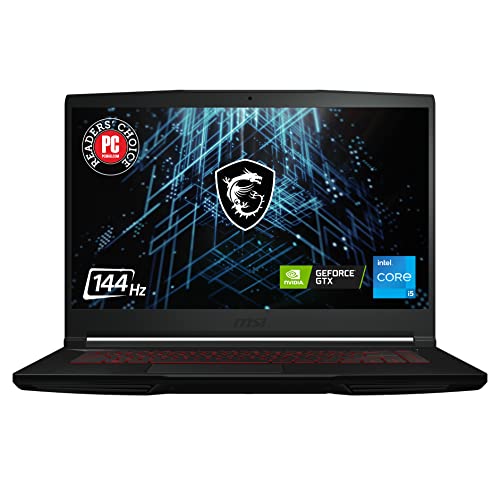
MSI GV15 15.6″ Gaming Laptop GTX 1650 8GB 256GB

Apple 2024 MacBook Pro M4 Pro 16.2-inch 24GB 512GB
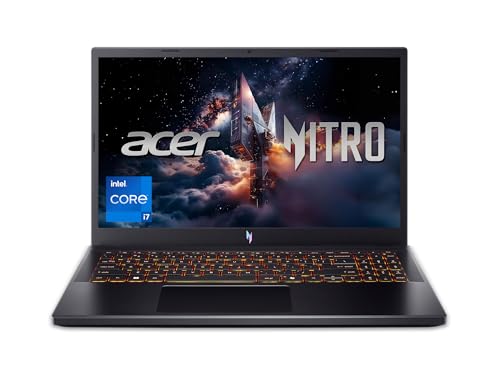
Acer Nitro V RTX 4050 16GB 1TB 165Hz

ASUS ROG Strix G16 2025 RTX 5070 Ti 32GB
HP 17.3″ Laptop Ryzen 5 7430U 16GB 512GB

Thunderobot Zero 16 i9 RTX 4070 64GB 2TB
Thunderobot Zero 16 i9 RTX 4070 32GB 2TB

HP 15.6″ Touch Ryzen 3 7320U 8GB 128GB
A Breakdown Of The Leading Choices
The MSI GV15 sits at the budget end of this list, and that’s its whole appeal. You’re getting an 11th-gen Intel Core i5-11400H paired with a GTX 1650 discrete GPU, which means Blender’s Eevee engine runs viewports smoothly for low-to-mid poly work, and Cycles can handle small render passes on CUDA. The 8GB of system memory is the main bottleneck, so casual modelers will feel it during complex scenes.
Wi-Fi 6 keeps cloud asset libraries snappy, and the USB Type-C port adds flexibility for external drives. Compared to the Acer Nitro V and ASUS Strix G16, this is the cheapest path into dedicated GPU rendering, and that matters for students still undecided about 3D.
What Stands Out
- Dedicated GTX 1650 GPU enables hardware-accelerated Cycles rendering, a real step up from integrated graphics.
- 11th-gen Core i5-11400H handles six cores, enough for viewport responsiveness on mid-complexity scenes.
- Wi-Fi 6 and USB Type-C future-proof connectivity for external SSDs and fast cloud asset syncing.
- Nahimic 3 audio tuning helps in tutorials and live workshops, a small but real perk for self-learners.
Points To Note
- 8GB of RAM will feel tight in scenes above 500K polygons; upgrading later is worth budgeting for.
- 256GB SSD fills quickly with .blend files, textures, and cache, so an external drive is almost mandatory.
- GTX 1650 lacks the VRAM headroom for heavy GPU renders at 4K output.
Who Should Grab It
First-year Blender students or hobbyists learning modeling basics who want real GPU support without overspending.
Look Elsewhere When
You need stronger multi-tasking and longer render times, in which case the Acer Nitro V with its 16GB DDR5 and RTX 4050 is the smarter step up.
For studio-grade color accuracy, the 16.2-inch Liquid Retina XDR display on this MacBook Pro is hard to beat. Apple’s M4 Pro chip pairs a 14-core CPU with a 20-core GPU, and unified memory (24GB in this configuration) is shared across both, so Cycles and Metal-accelerated scenes see low-latency bandwidth. The 512GB SSD is fine for project files, though serious asset libraries demand external Thunderbolt storage.
Where it really shines is sustained work. All-day battery life means you can sculpt, retopologize, and render on location, and the aluminum chassis stays cool under pressure. The trade-off is platform familiarity; Blender on macOS works, but Windows-exclusive add-ons aren’t an option here.
Practical Pluses
- Unified memory architecture (RAM shared with GPU) reduces bottlenecks on heavy multi-mesh scenes.
- Liquid Retina XDR hits up to 1600 nits peak brightness, helpful when previewing HDR lighting in Eevee.
- 20-core GPU with Metal support handles Cycles rendering with smooth viewport playback.
- All-day battery means long render queues and color-grading sessions without scrambling for an outlet.
Honest Caveats
- Some Blender add-ons and render farm tools are Windows-first, which can complicate pipelines.
- 512GB storage fills fast; Thunderbolt external drives add cost and desk clutter.
Core Details
Perfect Match For
Studio 3D artists and color-conscious professionals who need reference-quality visuals and a quiet, fan-efficient workhorse.
Swap It Out When
You rely on Windows-only Blender tools or plug-ins, in which case the ASUS ROG Strix G16 gives you more flexibility at the cost of battery life.
The Acer Nitro V is the sweet spot in this list for most hobbyists. The Intel Core i7-13620H gives you ten cores, and the RTX 4050 brings real-time ray tracing and DLSS support, which Blender’s Cycles engine uses through OptiX acceleration. 16GB of DDR5 RAM keeps multi-tasking fluid, and the 1TB Gen 4 SSD swallows hundreds of .blend files without breaking a sweat.
The 15.6-inch FHD IPS panel runs at 165Hz, which is honestly overkill for Blender’s static UI, but the IPS color coverage helps in viewport shading previews. You give up some chassis refinement compared to the MacBook Pro, but you gain a more accessible price and a familiar Windows toolchain.
Practical Advantages
- RTX 4050 with OptiX cuts Cycles render times noticeably over the GTX 1650 in the MSI GV15.
- 16GB DDR5 handles mid-sized sculpting and retopology sessions without swap-file thrashing.
- 1TB Gen 4 SSD gives you real breathing room for asset libraries, no external drive required immediately.
- Backlit keyboard helps during late-night rendering sessions, a small but appreciated touch.
Trade Offs
- FHD resolution at 15.6 inches means smaller UI elements; connecting an external 4K monitor helps with node graphs.
- Plastic-heavy chassis tends to flex under heavy typing pressure, a common owner complaint.
Right Fit For
Hobbyist modelers and freelance 3D artists who want strong render performance without premium-tier spending.
Reach For A Different Pick When
You want maximum VRAM and the longest sustained renders, which is where the Thunderobot Zero 16 with 64GB of RAM and an RTX 4070 pulls ahead.
This Strix G16 is the most ambitious pick on the list. The RTX 5070 Ti laptop GPU brings next-generation CUDA cores, and the AMD Ryzen 9 8940HX (up to 5.3GHz) gives Cycles plenty of CPU fallback for hybrid rendering pipelines. 32GB of DDR5 RAM means you can run Blender, Photoshop, and a browser full of reference images without the system breaking a sweat.
The 16-inch 16:10 display with a 165Hz refresh and 3ms response makes sculpting strokes feel instant. The 16:10 aspect ratio also shows more vertical UI, which matters when you’re staring at a node graph. Coming from the Acer Nitro V, the jump in VRAM and CPU headroom is meaningful, not just incremental.
Strengths Worth Knowing
- RTX 5070 Ti laptop GPU pushes Cycles render speeds well past the RTX 4050 tier on this list.
- 32GB DDR5 RAM future-proofs the system for scene complexity growth over the next few years.
- Ryzen 9 8940HX handles multithreaded baking, simulations, and physics in tight windows.
- 16:10 panel gives extra vertical real estate for Blender’s node editor and timeline panels.
- Backlit keyboard and 1TB SSD round out a package that feels ready for daily studio use.
Some Limits To Know
- High-end components draw meaningful power; expect a heavier power brick and shorter unplugged sessions than the MacBook Pro.
- Gaming-laptop thermals mean sustained loads need a flat, hard surface for proper airflow.
Best Suited To
Professional 3D artists and small-studio owners who render often and need a Windows-native pipeline with serious GPU muscle.
Skip It When
Your work is mostly 2D drafting, light modeling, or animation, in which case the HP 17.3″ laptop with its larger canvas is more comfortable and lighter on the wallet.
The HP 17.3-inch laptop isn’t a render beast, but the 17-inch FHD IPS display is genuinely useful for Blender’s UI. You get more visible workspace without an external monitor, which matters for anyone modeling in a coffee shop or a small apartment. The Ryzen 5 7430U is a six-core chip that handles modeling, UV unwrapping, and lightweight Eevee previews comfortably.
Windows 11 Pro comes preinstalled alongside a lifetime Microsoft Office license, so it’s well-suited for students juggling Blender coursework with other assignments. 16GB of RAM and a 512GB SSD keep things responsive, though heavy Cycles renders will lean on the CPU for a long time.
Everyday Wins
- 17.3-inch canvas gives Blender’s panels and timelines room to breathe without a second display.
- 16GB RAM handles typical modeling, sculpting, and UV workflows smoothly.
- 250-nit IPS panel offers decent color for Eevee viewport previews and texture painting basics.
- External DVD drive and lifetime Office add value beyond Blender itself.
Practical Considerations
- No discrete GPU means Cycles falls back to slow CPU rendering, a real bottleneck for finished output.
- 17-inch chassis is bulky for daily backpack commutes; consider a dedicated desk setup.
Made For
Students and 2D-leaning artists who need a comfortable display for Blender UI work and general productivity.
A Better Fit Elsewhere
Your main goal is fast final renders, in which case the Acer Nitro V’s RTX 4050 will save you hours per project.
The Thunderobot Zero 16 with 64GB of RAM is built for scenes that crash weaker machines. The 14th-gen Intel Core i9-14900HX packs 24 cores, and the RTX 4070 handles Cycles rendering with OptiX acceleration at a meaningful clip. The 16-inch WQXGA 2.5K display at 360Hz is honestly more than Blender needs, but it makes scrubbing the timeline buttery smooth, and the resolution helps when you zoom into dense meshes.
The 2TB SSD is the second differentiator here, since texture libraries for architectural visualization or character work can easily pass 500GB. Where this pick stands apart from the ASUS Strix G16 is the doubled memory, which matters once you start running Blender alongside Substance Painter and a browser full of reference boards.
Real Benefits
- 64GB DDR5 RAM holds massive scenes and multi-app workflows without constant disk swapping.
- 2TB PCIe SSD keeps years of asset libraries.blend archives, and rendered output in one place.
- i9-14900HX with 24 cores crushes CPU-bound baking and simulation tasks.
- RTX 4070 supports OptiX, CUDA, and real-time viewport denoising for cleaner Eevee previews.
Where It Is Less Suited
- White chassis shows scuffs and dust more obviously than darker alternatives, a common owner observation.
- Aggressive performance tuning under load needs a cool environment to avoid thermal throttling.
Feature Snapshot
Whose Shelf It Belongs On
Heavy-duty sculptors, environment artists, and VFX freelancers who work on dense scenes and value quiet multitasking over portability.
Not Your Match When
You mostly render small character or product shots, since the Thunderobot Zero 16 with 32GB offers similar GPU performance for less outlay.
Stepping down to 32GB of RAM, this Thunderobot Zero 16 still keeps the i9-14900HX, RTX 4070, and 2TB SSD from its sibling. The trade is straightforward: 32GB is plenty for most Blender scenes up to several million polygons, and the 2TB storage becomes the headline feature if your work involves large Substance or Megascans libraries.
You get the same 16-inch WQXGA 2.5K display, the same Wi-Fi 6, and the same RGB backlit keyboard. Against the Acer Nitro V, the GPU tier and storage capacity are meaningful upgrades, even if the price tag climbs.
What Pays Off
- 2TB SSD removes the immediate need for external storage, ideal for asset-heavy pipelines.
- RTX 4070 with OptiX noticeably cuts Cycles render times compared to the RTX 4050 in the Acer Nitro V.
- 32GB DDR5 is comfortable for most Blender scenes and keeps other apps responsive.
- 2.5K WQXGA panel at 360Hz is sharp and easy on the eyes for long modeling sessions.
A Few Limitations
- 32GB RAM caps how many high-res textures you can load simultaneously, so heavy VFX shots may still push limits.
- The chassis runs warm under sustained Cycles renders; a laptop cooling pad helps.
Who Will Love This
Freelancers and small studios who juggle multiple Blender projects with large texture libraries and want minimal external-storage juggling.
Where A Sibling Pick Shines
You regularly work on dense, multi-million-poly scenes, in which case the Thunderobot Zero 16 with 64GB of RAM is the safer bet.
The HP 15.6-inch laptop with the Ryzen 3 7320U is the most affordable option here, and it’s aimed at people testing the waters with Blender tutorials. Integrated Radeon graphics handle the Eevee viewport at low poly counts, and the HD touchscreen is a small surprise that helps when sketching reference or sculpting in vertex paint mode. 8GB of RAM and 128GB of storage are tight, but workable for short projects and lesson files.
Compared to the MSI GV15, you’re trading a dedicated GPU for a touch display and a lower price. Windows 11 Home in S Mode restricts app installs to the Microsoft Store, so factor in toggling out of S Mode for Blender’s installer.
Benefits That Matter
- Lowest entry cost on the list, friendly for absolute beginners deciding whether 3D is for them.
- Touchscreen adds an alternative input for sculpting in apps that support stylus or finger input.
- Lightweight chassis at 15.6 inches is easier to carry than the 17-inch HP option above.
- Energy-efficient Ryzen 3 7320U keeps fan noise low during simple modeling tasks.
Trade-Offs To Consider
- No discrete GPU means Cycles rendering is slow, often measured in hours for moderate scenes.
- 128GB SSD fills quickly; cleaning cached files regularly is part of routine ownership.
- 8GB RAM is the floor for Blender and limits how many reference apps can stay open simultaneously.
Built With In Mind
Casual learners and students opening Blender for the first time, working on tutorial-sized scenes and simple projects.
Consider Something Else When
You plan to render finished work, not just learn the interface, in which case the MSI GV15’s dedicated GPU makes the upgrade worthwhile.
What Matters Most Before Choosing A Laptop For Blender
CPU Cores And Clock Speed
Blender’s Cycles engine, physics simulations, and baking tasks all lean on the CPU. A modern six-core chip handles light-to-mid work, but dense scenes and animation timelines benefit from eight cores or more. Higher boost clocks also help during viewport responsiveness, since Blender’s UI thread is single-threaded-sensitive. The 14th-gen Intel chips in the Thunderobot Zero 16 pair well with heavy simulation work, while mid-range Ryzen and Core i7 options cover modeling and animation.
GPU And VRAM For Cycles
The GPU is the star of Cycles rendering, and Blender supports CUDA, OptiX, Metal, and HIP acceleration depending on the card. VRAM (video memory) determines how much of a scene fits on the GPU at once. A 6GB VRAM card handles simple scenes, while 8GB or more is the practical floor for serious work. The RTX 5070 Ti, 4070, and 4050 options on this list all support hardware ray tracing, which speeds up light-bounce calculations dramatically in Cycles.
Memory, Storage, And Display
RAM holds your active scene, textures, and any background apps. 16GB is workable for most modelers, 32GB is comfortable for animators, and 64GB is the realistic ceiling for VFX-heavy pipelines. Storage matters because .blend files and texture libraries grow fast; NVMe SSDs in the 1TB to 2TB range keep load times short. Color-accurate displays, like the Liquid Retina XDR on the MacBook Pro, are valuable for texture painting and lighting preview, while high refresh rates make scrubbing the timeline feel smooth without affecting final render quality.
Key Considerations Across These Picks
Common Shopping Slip Ups
The biggest mistake shoppers make is choosing a laptop based on CPU benchmarks alone, while ignoring VRAM and CUDA support. Blender’s Cycles engine leans heavily on the GPU, and an integrated graphics chip will bottleneck even the fastest CPU. Another trap is underestimating storage needs; a single 4K texture set can pass 10GB, and a year of project archives easily exceeds 500GB. Buyers also often overlook the importance of RAM expandability, since soldered memory can’t be upgraded later.
Why Top Tier Costs More
Higher-tier laptops cost more because they pair flagship GPUs with sufficient VRAM, faster memory, and cooling systems that sustain boost clocks under load. The ASUS Strix G16 and Thunderobot Zero 16 sit at the top because their RTX 5070 Ti and RTX 4070 GPUs handle Cycles hardware rendering at professional speeds, and their 32GB to 64GB of RAM keeps multi-app workflows smooth. The upgrade is worth it once you start rendering client work or animating longer sequences, where every minute saved per frame compounds across hundreds of frames.
Frequently Asked Questions
How Much RAM Do I Need For Blender?
For modeling and short animations, 16GB of RAM is a workable starting point. Animations, simulations, and dense VFX scenes benefit from 32GB or more, since Blender holds the active scene, textures, and background apps in memory. The 64GB option in the Thunderobot Zero 16 is geared toward professionals who work on large-scale projects daily.
Is A Dedicated GPU Required For Blender?
A dedicated GPU is strongly recommended for Cycles hardware rendering and smooth Eevee viewport playback. Integrated graphics can run Blender for learning purposes, but rendering times grow significantly. The RTX-equipped options on this list, from the GTX 1650 in the MSI GV15 upward, all offer meaningful hardware acceleration.
Does Blender Work Better On Windows Or macOS?
Blender runs well on both platforms, but Windows offers broader add-on and render-farm compatibility. macOS, especially on the M4 Pro MacBook Pro, delivers excellent battery life and a stunning display for color-accurate work, though some Windows-exclusive tools won’t run natively. Your existing ecosystem and toolchain usually decide the platform.
What Storage Size Is Practical For Blender Projects?
A 512GB SSD is a workable minimum for casual projects, while 1TB to 2TB is more comfortable for ongoing client work and large asset libraries. Texture-heavy disciplines like environment art and architectural visualization benefit from the 2TB drives in the Thunderobot Zero 16 configurations.
Can I Upgrade The RAM Or Storage Later?
Some laptops, like the Acer Nitro V and certain HP models, offer accessible SO-DIMM RAM slots and extra M.2 SSD bays, which makes future upgrades straightforward. Others, including the MacBook Pro and many thin gaming laptops, solder RAM to the motherboard, so the configuration you pick at purchase is final.



