Oranges, lemons, and grapefruit yield juice differently depending on the extraction method used. A citrus model presses halved oranges, lemons, limes, and grapefruit, while a regular machine breaks down cut fruits and vegetables through spinning or slow crushing. Your choice depends on what you plan to juice.
This comparison covers mechanisms, produce limits, peel prep, pulp, juice yield, cleanup, and the household habits that point toward each appliance.
Two Appliance Categories Serve Different Produce
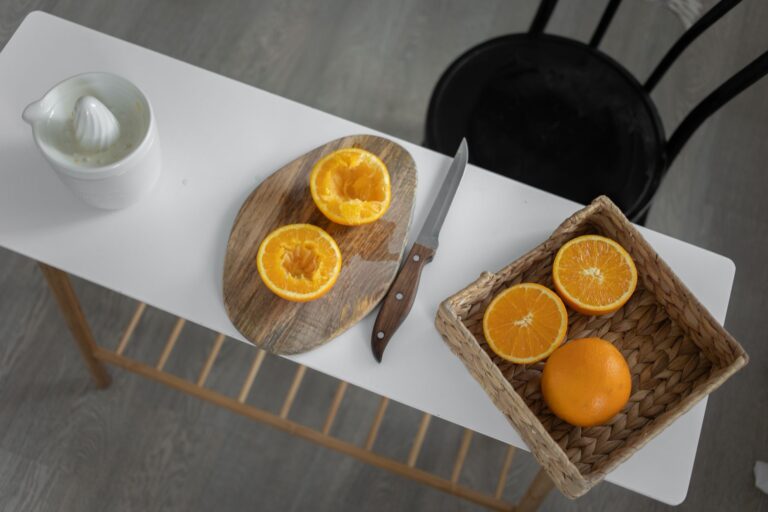
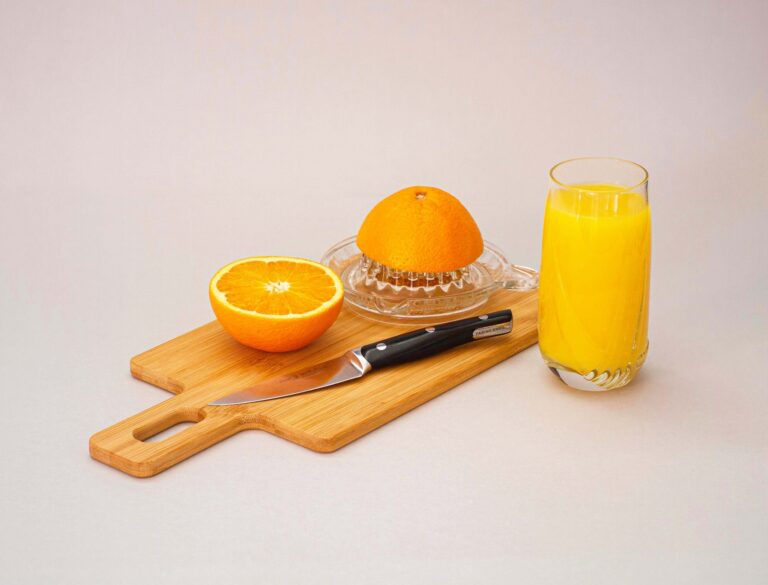
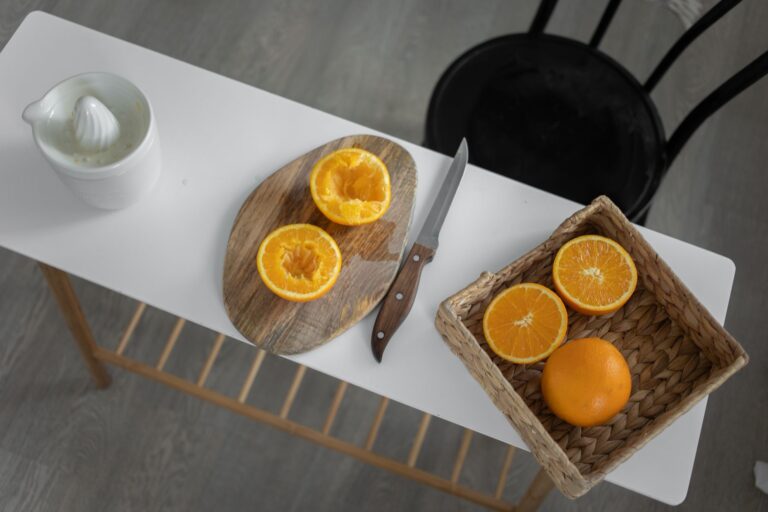
A halved orange shows the main dividing line. A citrus juicer uses a cone, citrus reamer, or citrus press to pull liquid from exposed flesh while the rind stays outside the juice path.
A regular juicer is a broad label for centrifugal juicers and masticating juicers. Both take cut produce through a feed chute, then separate liquid from solids through spinning, crushing, or squeezing.
| Feature | Citrus juicer | Regular juicer |
|---|---|---|
| Main job | Extracts juice from halved citrus | Extracts juice from fruits and vegetables |
| Input style | Orange, lemon, lime, or grapefruit halves | Cut produce fed through a chute |
| Core mechanism | Reaming or pressing | High-speed spinning or slow crushing |
| Peel handling | Peel stays outside the mechanism | Citrus peel needs removal before juicing |
| Countertop footprint | Small to medium | Medium to large, with a pulp container |
Your decision starts with the produce entering the machine. A dedicated citrus tool fits oranges, lemons, limes, and grapefruit, while a broader extractor handles recipes built around apples, carrots, celery, and leafy greens.
The Extraction Method Changes Prep and Texture
Reamers Press Against Exposed Citrus Flesh
Ridges on a cone press into the segments of a halved orange. You twist fruit over a manual reamer, or an electric cone rotates beneath your hand, releasing juice without grinding through the skin.
A lever press takes a firmer approach. Its top cup compresses a grapefruit half against a lower bowl, creating steady pressure that draws liquid from dense fruit with less wrist strain.
That setup leaves the rind intact and limits contact with bitter peel oils. Your glass can still contain pulp, but it will come from citrus sacs rather than shredded peel or fibrous vegetable matter.
Feed-Chute Machines Break Down Cut Produce
Centrifugal juicers use a spinning cutting disc and mesh basket. Produce hits the disc at high speed, and spinning force pushes liquid through small holes while pulp collects in a separate bin.
Masticating juicers, also called cold-press juicers, use an auger to crush and squeeze ingredients at a slower pace. Your celery, kale, apples, and carrots move through a narrow channel instead of meeting a cutting disc.
The citrus juicer vs centrifugal juicer difference comes from that mechanical split. One extracts liquid from fruit that is already open, while the other must break firm plant cells before juice can leave the pulp.
Produce Compatibility Draws the Clearest Line
An apple cannot sit securely on a citrus cone. Its firm flesh needs a feed chute, grinding surface, and pulp-separation system, none of which a citrus reamer or press contains.
| Ingredient | Citrus juicer | Centrifugal or masticating juicer |
|---|---|---|
| Oranges and grapefruit | Works with fruit cut in half | Works after peel removal |
| Lemons and limes | Works for cooking and drinks | Works after peel removal |
| Apples and pears | Cannot process effectively | Works in both machine styles |
| Carrots and celery | Cannot process effectively | Works well, especially in masticating models |
| Leafy greens | Cannot process effectively | Masticating machines handle them well |
| Bananas and avocados | Not suitable | Not suitable for clear juice alone |
Your recipe reveals the appropriate appliance faster than any feature list. A glass of orange, grapefruit, and lemon suits a citrus press, while apple, cucumber, spinach, and ginger call for a regular juicer.
Hard pits, stones, mango seeds, peach pits, and avocado pits do not belong in either machine. Remove them before feeding fruit into a chute.
Very soft fruit creates a separate limit. Bananas, avocados, and ripe papaya turn into puree rather than pourable juice, so a blender suits smoothies better than a juice extractor.
The question “can a citrus juicer juice apples” has a clear answer: no. Pressing an apple against a cone produces little liquid because the cone has no blade, auger, feed chute, or screen for breaking down firm flesh.
That structural difference also explains why citrus can be halved and pressed, while tougher produce needs cutting or crushing.
Citrus Peel Needs Different Preparation
Citrus Tools Keep the Rind Outside the Juice Path
The peel stays on before using a citrus reamer or press. Cut the fruit crosswise, place the moist interior against the cone or press cup, and keep the rind away from the moving parts.
Your hands form the boundary between peel and juice. Fresh lemonade can move from lemon to pitcher with a knife, cutting board, citrus press, and small strainer.
Feed-Chute Machines Need Peeled Citrus
Remove the colored rind and as much thick white pith as practical before feeding citrus into a centrifugal or masticating juicer. Peel oils can make the finished drink sharp and bitter, while thick pith can add a harsh taste.
The phrase “do you need to peel citrus before juicing” applies to feed-chute machines, not a citrus press. A citrus tool is built around the peel, while a regular juicer sends all fed ingredients into its cutting or crushing area.
Seeds need separate attention. A citrus juicer strainer catches many lemon and orange seeds, while seed instructions for feed-chute machines depend on the fruit and the appliance manual.
Wash citrus before cutting it, even though the peel stays outside a reamer. Your knife can move surface residue from rind to exposed flesh.
Yield, Pulp, Speed, and Juice Quality Depend on the Machine
Pressure and Strainers Shape the Glass
Large grapefruit halves show the value of a lever press. Steady downward pressure can pull more liquid from thick segments than a basic hand reamer, though ripeness and pressing technique still affect juice yield.
Regular machines leave behind a different pulp pattern. Their screens send much of the dry material into a collection bin, leaving a clearer drink and a visible stream of food waste and cleanup.
Your texture preference matters here. Citrus juicers can leave fine sacs of pulp in the glass, while a tighter strainer creates smoother juice without adding a separate pulp system.
Ingredient Choice Matters More Than Appliance Labels
No juicer type is inherently healthiest. Juice extraction removes much of the fiber found in whole produce, whether the liquid comes from a hand reamer or a cold-press juicer.
Ingredient variety changes the result more than motor speed. A grapefruit drink, a carrot-apple blend, and a celery-kale juice bring different sugars, flavors, and nutrients to your routine.
The citrus juicer vs masticating juicer comparison does not favor either machine on health alone. Choose the tool that matches your ingredients, keep portions sensible, and keep whole fruits and vegetables in your meals.
Daily Cleanup Favors a Simpler Citrus Tool
Pulp caught in a mesh basket can turn a five-minute juice session into a sink task. A citrus unit may have a cone, filter, bowl, and lid, while feed-chute machines add an auger or cutting disc, screen, pulp bin, and chute.
- Rinse right away: Rinse cones, strainers, mesh baskets, and pulp bins before juice residue dries into a sticky film.
- Check dishwasher rules: Your manual lists which removable parts can handle a dishwasher cycle without warping or clouding.
- Store nearby: A compact reamer sees more weekday use when it fits in a nearby cabinet or open shelf.
- Brush mesh screens: Use the supplied brush on fine baskets because dried carrot fibers can block small holes.
- Clear celery strings: Remove fibrous celery strands before they dry around an auger or feed opening.
Centrifugal machines run fast and loud, much like a brief burst from a kitchen blender. Masticating models make less noise but need slower feeding, more cutting, and careful screen cleaning.
Your cleanup time can shape the habit more than juice yield. A tool that needs a quick rinse after one orange may fit weekday use better than a multi-part machine stored in a cabinet.
Because cleanup and effort vary by design, the simplest citrus tools are not the only option.
Citrus Juicers Range From Reamers to Lever Presses
Small Reamers Suit Occasional Tasks
A handheld reamer takes little room and works well for one lemon in a vinaigrette or two limes for cocktails. It asks more from your wrist, especially with firm winter lemons or large oranges.
Manual countertop reamers add a bowl and strainer beneath the cone. You gain stronger seed control and less mess, while storage stays modest enough for a drawer or narrow cabinet.
Electric Cones and Lever Presses Reduce Hand Strain
An electric citrus reamer suits frequent breakfast juice. You hold each half against a spinning cone, and your prep stays limited to washing and cutting the fruit.
Lever presses suit larger batches, grapefruit, and firm citrus with thick membranes. Their weight and tall handle take more counter room, yet your hands avoid repeated twisting pressure.
- Single lemon task: Choose a handheld reamer for dressings, baking, and small drink batches.
- Daily orange juice: Choose an electric cone for fast extraction with moderate pulp.
- Weekend pitchers: Choose a lever press for several oranges or grapefruit halves at once.
- Limited storage: Choose a compact manual model that fits beside your mixing bowls.
Even a heavy citrus press remains a citrus-specific appliance. It does not contain the cutting disc, feed chute, auger, or screen needed for apples, carrots, celery, berries, or leafy greens.
The Right Choice Follows Your Main Ingredients
A weekly grocery bag gives a practical answer. Six oranges and a few lemons point toward a small citrus machine, while kale, cucumbers, carrots, apples, and ginger point toward a broader extractor.
| Your main habit | Suitable appliance | Trade-off you accept |
|---|---|---|
| Orange juice, lemonade, cocktails | Citrus juicer | Cannot process non-citrus produce |
| Fast mixed fruit and vegetable juice | Centrifugal juicer | More noise and more cleanup parts |
| Celery, greens, and mixed recipes | Masticating juicer | Slower feeding and a higher upfront cost |
| Smooth drinks with full fruit texture | Blender | Produces puree rather than separated juice |
Your household may suit a citrus juicer for orange juice, grapefruit juice, lemonade, and cocktails because setup stays short and the rind never enters the mechanism. A centrifugal model fits fast mixed drinks, provided noise and cleanup do not bother you.
Masticating machines suit frequent green juice and celery juice, where slow crushing handles fibrous ingredients well. For citrus-only use, their extra capability sits idle while your prep work and cleanup load grow.
Bottom Line
The difference between a citrus juicer and a regular juicer comes down to the fruit on your cutting board. Choose a cone or press for halved citrus and fast cleanup. Choose centrifugal or masticating extraction for apples, carrots, celery, greens, and mixed recipes. Your daily ingredients, not the number of buttons, should direct the decision.
FAQ
How does a citrus juicer differ from a regular juicer?
A citrus juicer presses liquid from halved oranges, lemons, limes, and grapefruit with a cone or press. A regular juicer uses a feed chute, cutting disc, or auger to break down cut fruits and vegetables. Your citrus tool keeps the rind outside the mechanism, while a regular machine needs peeled citrus.
Can you juice an apple with a citrus juicer?
No. An apple needs a feed chute and a cutting or crushing system to break down firm flesh. Your citrus juicer has a cone or press built for halved oranges, lemons, limes, and grapefruit, so forcing an apple against it produces little juice and can strain the tool.
Can a citrus juicer juice apples, carrots, berries, or leafy greens?
No. Apples, carrots, berries, and leafy greens need a blade, auger, or screen that separates liquid from solids. Your citrus juicer only presses exposed citrus flesh, so it cannot break down firm produce or pull juice from leafy ingredients.
Can a regular centrifugal or masticating juicer juice oranges and other citrus fruits?
Yes. A centrifugal juicer or masticating juicer can process oranges, lemons, limes, and grapefruit after you remove the peel. Feed-chute machines can handle peeled citrus, though a citrus press needs less prep and leaves fewer parts to rinse.
Which type of juicer produces more juice from citrus fruit?
A lever citrus press can pull more liquid from large grapefruit halves and firm oranges than a basic hand reamer. Your juice yield also changes with fruit ripeness, fruit size, and how firmly you press the cut half against the cone or cup.
Is citrus juice healthier when made with a citrus press or a cold-press juicer?
Neither machine makes citrus juice inherently healthier. Your ingredients, portion size, and intake of whole fruits and vegetables matter more than the extraction method. Both methods remove much of the fiber found in intact citrus segments.