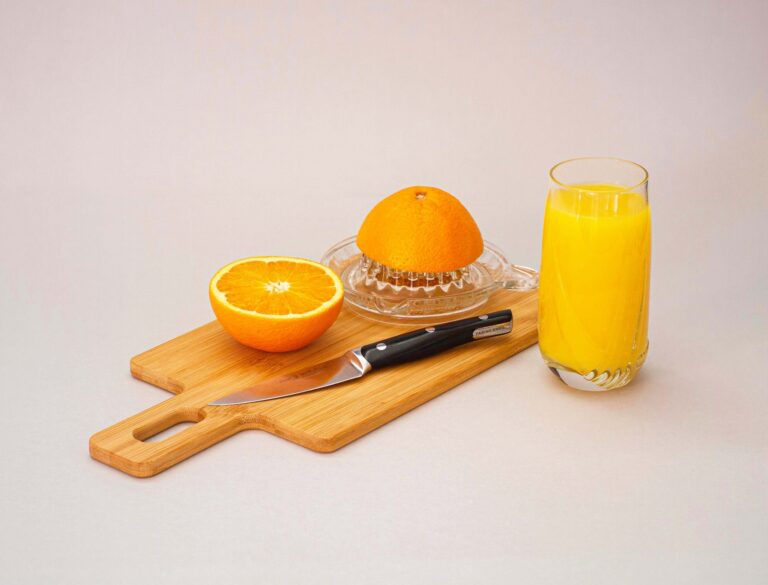
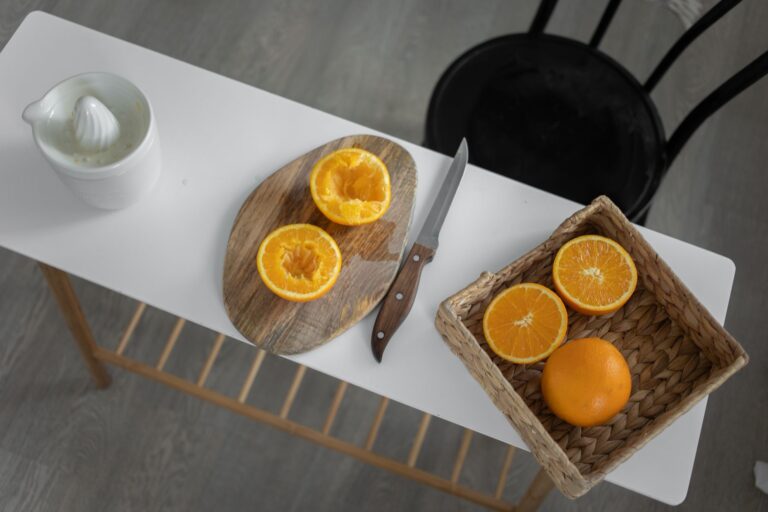
An auger crushes produce in a masticating juicer, while a centrifugal model shreds it in a spinning mesh basket. The pressing method suits celery and leafy greens, while the spinning method turns apples and carrots into juice faster.
You need to weigh juice yield, oxidation, prep work, cleaning and prep time, noise, and the produce that fills your kitchen each week.
Slow and Fast Refer to the Extraction Method
An auger turns at low RPM (revolutions per minute) and presses produce against a screen. The Masticating juicer sends liquid through small openings while moving Juice pulp toward a separate outlet. You feed ingredients at a steady pace because the auger needs time to grip and compress them.
A Centrifugal juicer spins a blade and mesh basket at high speed. The blade shreds an apple or carrot, then centrifugal force pushes liquid through the mesh while pulp lands in a collection bin. Your juice reaches the glass quickly, though the motor produces more noise and introduces more air.
| Feature | Slow masticating juicer | Fast centrifugal juicer |
|---|---|---|
| Core mechanism | Auger crushes and presses produce | Blade shreds produce against a mesh basket |
| Operating speed | Low RPM extraction | High-speed spinning |
| Common strength | Greens, herbs, celery, wheatgrass | Apples, carrots, beets, cucumbers |
| Typical sound | Lower motor noise | Louder motor noise |
Labels can blur the mechanical difference. A slow juicer is a masticating juicer in most kitchen-appliance listings, while cold press can describe either a true pressing process or loose marketing language. RPM matters, yet screen design, auger shape, pulp-outlet width, and your ingredients also affect the result.
Those mechanical differences matter only insofar as they alter texture, foam, yield, and the kinds of produce worth juicing.
Crushing and Spinning Change the Juice in the Glass
Celery stalks show the difference clearly. A masticating machine folds and compresses stringy fibers through a longer pressing path, while a centrifugal basket chops those fibers in seconds. You can see drier pulp after pressing leafy greens and long-stemmed produce.
Foam begins inside the machine. Rapid spinning whips air into liquid and leaves a pale layer at the top of a centrifugal batch. A slower auger introduces less air, so your juice can pour with a smoother surface and less visible foam.
Pressure Draws Liquid From Fibers
Leafy greens hold liquid inside thin cell walls and tangled fibers. An auger presses those fibers against a screen several times before pulp exits the machine. That repeated pressure explains why kale, parsley, wheatgrass, and celery suit a slow machine.
Firm produce behaves differently. Apples, carrots, beets, and cucumbers release liquid quickly after shredding. A centrifugal basket handles those dense ingredients well because the spinning action moves shredded pieces across the mesh without a long pressing path.
Extraction Speed Does Not Equal Total Kitchen Time
A fast juicer can turn three carrots and two apples into a drink in under a minute. Washing produce, cutting large pieces, and scrubbing the mesh basket still take time. You also need to rinse the basket before Juice pulp dries inside its tiny holes.
Slow machines feed at a measured pace and can call for narrower pieces. Their screens, augers, lids, and pulp outlets also need washing after each batch. The real time difference becomes clear only after prep, juicing, and cleanup are counted together.
Once the juice is made, however, how quickly you drink it has a larger effect than the motor behind it.
Freshness Shapes Juice Quality More Than Appliance Labels
Juice starts changing as soon as it meets oxygen. Extra aeration from centrifugal spinning can speed flavor and color changes, while lower-aeration juice from a slow machine can hold its brighter taste longer under refrigeration. Your storage container and drinking schedule still carry more weight than a label on the appliance.
Refrigerate juice right away in a clean, covered container. Neither extraction style makes homemade juice shelf-stable, and a darker color or sour smell means it belongs in the sink.
Nutrition claims need restraint. Lower Oxidation can preserve some flavor and color, yet neither machine turns fruit juice into a health food. Your healthiest type of juicer is the model that gets vegetables into your routine rather than producing large, sweet glasses built around apples, grapes, or pineapple.
That practical standard answers the question behind slow juicer benefits. A press-style machine has a clear advantage with fibrous produce and lower-foam juice, while a centrifugal machine suits a rushed hard-produce batch that you will make four mornings each week.
Produce Choice Shows Each Machine’s Stronger Fit
Kale, parsley, and wheatgrass reveal weak extraction quickly because their fibers resist a brief shred-and-spin cycle. A slow juicer presses these ingredients more thoroughly, and your pulp can feel dry and compact. Celery follows the same pattern, especially in larger batches.
| Produce group | Stronger fit | Why it fits |
|---|---|---|
| Leafy greens and herbs | Slow juicer | Auger pressure draws liquid from thin, fibrous leaves |
| Celery and wheatgrass | Slow juicer | Long fibers respond well to repeated crushing |
| Apples, carrots, and beets | Centrifugal juicer | Firm produce moves quickly through a spinning basket |
| Cucumbers and citrus segments | Either type | High water content extracts readily in both systems |
| Banana, mango, and ripe berries | Slow juicer with a suitable attachment | Soft pulp can turn thick or clog a standard juice screen |
Firm produce tells a different story. A wide-feed centrifugal chute handles quartered apples, carrots, beets, and cucumbers with little interruption. You gain speed because less chopping stands between rinsing produce and filling your glass.
- Alternate textures: Follow spinach with cucumber or apple so moist ingredients move fibrous pulp through the screen.
- Trim tough ends: Remove woody celery bases and thick kale stems before feeding them into your machine.
- Peel bitter skins: Remove thick citrus rind because its oils can dominate your drink.
- Limit soft fruit: Send berries or mango through with crisp apple pieces to reduce thick pulp buildup.
- Check attachments: Use a puree screen only where your machine permits it because juice screens are made for liquid extraction.
The best juicer for leafy greens is the one that presses them without repeated clogs or watery pulp. Your choice becomes simpler after you list the ingredients that reach your cart every week. A kale-and-celery routine points toward an auger, while carrot-and-apple drinks point toward a spinning basket.
Those ingredient preferences also determine how much chopping, feeding, and scrubbing each batch requires.
Total Time Includes Prep, Juicing, and Cleanup
A wide chute can alter your routine more than motor speed. Dropping in an apple cut into quarters feels very different from slicing celery into short lengths for a narrow vertical tube. Your available ten minutes before work can matter more than extra liquid left in pulp.
A Realistic Juicing Session
- Wash produce: Rinse soil from greens, celery ribs, and root vegetables before any cutting starts.
- Cut for the chute: Quarter apples for safety and shorten fibrous stalks so they feed without wrapping.
- Feed the batch: Add firm pieces at the pace the machine accepts rather than forcing them downward.
- Empty wet pulp: Check the collection bin before pulp packs against the basket or outlet.
- Rinse parts promptly: Flush the screen, auger, lid, and pulp container before residue dries.
- Air-dry pieces: Set washed parts apart so trapped moisture does not remain in seals and corners.
Centrifugal models shorten the extraction stage, but their mesh baskets need a brush. Masticating models need slower feeding and more pieces to dismantle, though their lower motor noise can suit an apartment kitchen or an early household schedule. You should count the full sequence, not only the seconds that juice flows.
Cleaning and prep time also depend on what reaches the chute. One cucumber and two apples leave less residue than kale, parsley, celery, ginger, and beets. Your recipe pattern deserves as much attention as the machine’s stated speed.
Juice Yield and Weekly Use Shape the Cost Trade-Off
Wet pulp is a useful clue, not a final verdict. Pulp from a centrifugal basket can hold more moisture after greens or celery, while a slow juicer can leave a drier mass from the same ingredients. Produce freshness, recipe water content, and screen condition can change the result.
Slow models carry a higher upfront cost in many stores, yet repeated green juice can narrow that gap through stronger Juice yield. For your household, two bunches of kale each week produce a very different value equation than two carrot-and-apple drinks each month.
Frequency Sets the Value
An occasional hard-produce drink favors convenience. A centrifugal juicer turns firm fruit and vegetables into single servings with less preparation, so your appliance is less likely to sit unused. That practical fit matters more than chasing every last teaspoon from a carrot.
Frequent celery, herb, or green juice shifts the advantage toward masticating equipment. You pay closer attention to yield because those ingredients cost more and take longer to prep. A slow machine earns its counter space through repeated batches, not a single weekend experiment.
The slow juicer vs centrifugal juicer choice comes down to waste, time, and habits. A household making five green drinks each week can benefit from stronger extraction. A household seeking fast weekend juice can find added dismantling frustrating.
The Right Juicer Fits Your Household Routine
A fast centrifugal machine fits a kitchen where apples, carrots, beets, and cucumbers dominate the grocery list. You get a wide chute, rapid output, and a direct route to one or two servings. Its louder sound and foam are part of that speed trade-off.
A masticating unit fits frequent batches built around kale, spinach, parsley, celery, ginger, and wheatgrass. You trade faster feeding for lower noise, lower aeration, and stronger extraction from stubborn fibers. Your routine needs room for chopping and washing several parts.
Serviceable Details Matter More Than Brand Names
Names such as NutriBullet Slow Juicer and Tefal Slow Juicer can narrow a store search, but no brand fits every kitchen. Look past label claims and inspect chute size, screen brush, pulp outlet, replacement-part availability, stated coverage period, and cleaning layout. You need parts that suit the produce you actually juice.
- List staple ingredients: Write down six items that reach your cart most weeks, such as celery, apples, kale, or beets.
- Time one cleanup: Set a timer after your next batch to learn what your routine allows.
- Check counter space: Measure cabinet height before choosing a tall vertical machine.
- Inspect spare parts: Look for screens, seals, and pulp containers that remain available after purchase.
- Match chute size: Pick a feed opening that suits your normal knife work rather than label claims alone.
Ingredients and Habits Lead to a Practical Choice
Your ingredients should settle the slow juicer vs fast juicer choice before marketing language does. Reach for centrifugal extraction for quick firm-produce drinks. Reach for masticating extraction for greens, fibrous stalks, lower-foam juice, and frequent celery batches.
The 80/20 rule for juicing is a flexible recipe habit, not a medical rule. Build a glass with about 80 percent vegetables and 20 percent fruit to limit sweetness, then adjust flavor with lemon, ginger, cucumber, or herbs. You do not need to force a bitter drink that stays unfinished.
Write down your common ingredients and your real cleanup window before spending money. A machine that fits those two facts earns counter space; a mismatched machine becomes a bulky cabinet item.
Start with three ordinary recipes: carrot-apple-ginger, celery-cucumber-lemon, and kale-pineapple-parsley. Your prep burden, pulp texture, noise tolerance, and weekly use pattern will point toward the right extraction method without exaggerated nutrition claims.
Practical Takeaways
The useful distinction is mechanical, then practical. A centrifugal juicer suits fast drinks from firm produce, while a slow masticating juicer earns its measured pace through stronger results with greens, herbs, celery, and wheatgrass. Pick the machine that suits your ingredients and cleanup habits because regular use matters far more than a dramatic claim about the juice in your glass.
FAQ
Is a slow juicer healthier than a centrifugal juicer?
A slow juicer introduces less air during extraction, which can help juice hold color and flavor longer under refrigeration. Neither machine is inherently healthier. Your nutrition depends more on produce variety, fruit content, serving size, and how soon you drink the juice.
Which juicer produces more juice from fruits, vegetables, and leafy greens?
That can pull more liquid from celery, kale, parsley, wheatgrass, and other fibrous ingredients. A centrifugal juicer works well with apples, carrots, beets, cucumbers, and other firm produce. You will see the largest yield difference with leafy greens and stringy stalks.
Are slow juicers slower after prep and cleanup?
Slow juicers take longer during feeding because an auger presses produce at a measured pace. Prep can also take longer with narrow chutes and fibrous celery stalks. Your total time can still resemble a centrifugal session after mesh-basket scrubbing is counted.
Which juicer is easier to clean?
A centrifugal juicer has fewer extraction-stage delays, but its fine mesh basket needs brushing after each batch. A slow juicer has more separate pieces, including an auger, screen, lid, and pulp outlet. You should choose based on the cleaning task you dislike less.
Do centrifugal juicers suit apples and carrots?
Firm apples, carrots, beets, and cucumbers shred quickly against a centrifugal juicer’s spinning basket. A wide chute also reduces knife work for quartered apples and large carrot pieces. You can make one or two servings with little interruption.
Do slow juicers reduce oxidation and keep juice fresh longer?
Slow juicers introduce less air than high-speed spinning machines, so their juice can show less foam and slower flavor change in the refrigerator. Fresh juice still needs prompt refrigeration in a clean covered container. You should discard juice with a sour smell or a noticeably darker color.