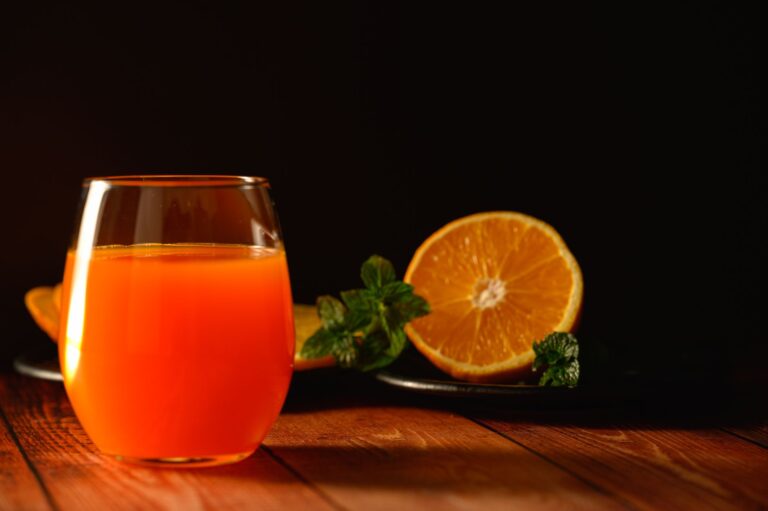
A juicer removes most pulp, while a blender turns whole produce into a thicker drink. A juice extractor separates liquid from pulp, while a blender keeps edible pulp in your glass. That changes your dietary fiber intake, satiety, sugar concentration, texture, and cleanup.
You can use this comparison to match a drink with your breakfast, snack, produce intake, and kitchen routine while keeping whole fruits and vegetables central to your meals.
Liquid Extraction and Whole-Produce Blending Work Differently
Start with an apple, cucumber, and handful of spinach, and the two machines produce very different results. A juice extractor presses or spins produce to separate liquid from solid material. Your glass holds a thin drink, while fruit pulp and vegetable pulp collect in a separate container.
A blender chops and pulverizes the ingredients in its jar. Your smoothie keeps the edible flesh, suitable skins, and most seeds, which creates a thicker drink. That retained structure sets up the biggest nutrition difference between juicing and blending.
Texture Changes Drinking Speed
Thin juice moves fast through a glass. You can drink liquid from three oranges in a minute, while eating three whole oranges takes longer and includes chewing. That speed matters because chewing and volume affect how full you feel after drinking.
Your smoothie has more body because plant particles stay suspended in the drink. Frozen berries, banana, yogurt, milk, or soy milk can turn it into a meal-like bowl or glass rather than a light beverage.
Each Machine Handles Different Ingredients
A juice extractor works with produce that contains available liquid, including carrots, celery, apples, citrus, and leafy greens. Some machines handle wheatgrass or ginger. Dry oats and thick Greek yogurt do not belong in a juicer.
Blenders accept a wider ingredient range. You can blend soft fruit, frozen mango, cooked white beans, chia seeds, nuts, oats, milk, and protein powder in one container. Your ingredient choices affect fullness, calories, and the role the drink plays in your day.
Retained Fiber Creates the Largest Nutrition Gap
Pulp holds much of the insoluble dietary fiber from fruits and vegetables. Insoluble fiber adds bulk to stool and helps food move through your digestive tract. Your juice can retain small amounts of soluble fiber, though the amount changes with the ingredient and machine.
Blending keeps far more plant structure in your glass. Fiber slows stomach emptying, adds satiety, and can soften the blood sugar response compared with an equal amount of fruit juice. That is why smoothies tend to feel more substantial than extracted juice.
| Feature | Fresh Juice | Whole-Food Smoothie |
|---|---|---|
| Fiber | Much of the insoluble fiber stays in discarded pulp. | Edible fiber remains in your drink. |
| Texture | Thin, clear to cloudy, and fast to drink. | Thick, spoonable, or straw-drinkable. |
| Fullness | Lower for most adults because fiber is reduced. | Higher because fiber and add-ins stay present. |
| Produce waste | Leaves a separate pulp byproduct. | Leaves little food waste in the jar. |
Both drinks still contain vitamins and minerals, water, and plant compounds from the fruits and vegetables used. The Dietary Guidelines for Americans place whole fruits and vegetables at the center of a healthy eating pattern because chewing, volume, and intact fiber bring benefits that drinks do not fully match.
Juice is not empty liquid. Juice vs smoothie nutrition depends on what remains after processing, the size of your serving, and the foods around that drink during the rest of your day.
Because blending preserves more of the fruit, serving size and additions determine whether that advantage supports fullness.
Fruit Concentration and Add-Ins Shape Sugar, Calories, and Fullness
Four apples can yield a modest glass of juice, yet eating four apples at once takes time and effort. The liquid holds naturally occurring sugars and calories from all four pieces of fruit while the pulp stays behind. Your body receives that energy with far less chewing and bulk.
A fruit-heavy smoothie can carry substantial sugar as well, but retained fiber slows the pace of digestion. For blood sugar concerns, the American Diabetes Association points toward carbohydrate awareness and serving awareness rather than treating fruit as forbidden. Your fruit ratio matters more than a dramatic label on the glass.
Fruit Works Better as Flavor Than Volume
Keep fruit as a flavor accent instead of making it the entire recipe. A juice with cucumber, celery, kale, lemon, and half an apple tastes bright without relying on a large amount of apple or pineapple.
For a smoothie, use one cup of berries, a handful of spinach, plain yogurt or unsweetened soy milk, and ice. Your drink has sweetness, protein, and volume without becoming a dessert-sized serving.
Blended Drinks Have Portion Drawbacks
Blending fruits has disadvantages once portions grow without notice. Nut butter, oats, sweetened yogurt, juice, coconut products, and protein powder can turn a 12-ounce smoothie into a dense meal, even though your goal was a light afternoon snack.
Check the jar before blending. Two tablespoons of peanut butter, one cup of juice, and two bananas add up fast, while your hunger may not call for all of them. Portion size still shapes calorie intake.
That calorie total matters differently when the drink replaces a meal than when it accompanies one.
Meal Roles Matter More Than a Single Drink Choice
Fullness gives blending a practical edge for many routines. Retained fiber, plus protein and fat from yogurt, kefir, soy milk, or seeds, gives your smoothie more staying power than a glass of extracted fruit liquid.
Your smoothie works as a meal replacement only when the ingredients resemble a meal. Pair produce with a protein source and a measured fat source, then drink it slowly enough to notice satisfaction instead of finishing it during a rushed commute.
Juice Fits a Lighter Role
Vegetable-forward juice can fit beside breakfast or serve as a light drink that adds variety to your produce intake. It is less suited to stand in for lunch because low-fiber liquid rarely controls hunger for long.
Juicing and blending for weight loss both fall short when the drink becomes a shortcut. Body weight shifts through your full eating pattern, activity, sleep, portions, and medical factors, not through a single green glass.
- Use fruit as accent. Keep berries, citrus, apple, or pineapple smaller than the vegetables in your recipe.
- Add smoothie protein. Plain yogurt, kefir, soy milk, or silken tofu can make your serving more satisfying.
- Pour measured servings. Use a 10- to 16-ounce glass instead of drinking from a large blender jar.
- Skip cleanse plans. Juice-only eating leaves out enough protein, fat, and fiber to make it a poor complete eating plan.
Use a smoothie as food and juice as a beverage unless your meal already contains enough protein, fat, and solid food to cover what the drink lacks.
Produce Selection Sets the Flavor and Nutrition Balance
Color matters less than the ingredient mix. Leafy greens, cucumber, celery, tomatoes, berries, citrus, herbs, carrots, and ginger each bring distinct flavors and nutrients. Your taste tolerance should shape the amount of bitter greens or sharp ginger in the glass.
Fruit belongs in both methods, though large fruit loads raise the natural sugar concentration in a small serving. Grapes, mango, pineapple, apples, and ripe bananas are not forbidden. Your portion is the deciding factor, especially in extracted juice.
Safe Preparation Protects the Drink
- Wash produce well. Rinse fruits and vegetables under running water before cutting, including produce with inedible peels.
- Remove pits and cores. Take out stone-fruit pits, apple cores, and tough skins that your machine cannot process safely.
- Skip nonedible leaves. Do not juice rhubarb leaves or plant parts not meant for eating.
- Chill juice promptly. Refrigerate fresh juice right away rather than leaving raw juice on the counter.
- Ask about grapefruit. Grapefruit can alter how some medicines work, so check with your clinician or pharmacist.
Unpasteurized juice needs extra care during pregnancy, older age, weakened immune function, and other situations with higher foodborne illness risk. The U.S. Food and Drug Administration gives that same advice. Pasteurized juice is the safer route for your household during those periods.
Fresh juice spoils quickly because pressing spreads moisture across equipment surfaces and removes the protective structure of whole produce. Clean the juicer or blender soon after use, before sticky residue hardens around screens, blades, and seals.
Kitchen Cleanup and Ingredient Range Separate the Tools
Pulp disposal is the clearest kitchen split. A juicer gives you a separate container of damp solids, while a blender leaves edible ingredients in the drink. Your compost bin can take suitable pulp, but that adds another kitchen task.
Cleanup time depends on machine design and recipe. A blender jar, lid, and blade assembly can rinse clean within minutes after a berry smoothie. A juicer has a screen or basket that needs brushing because fine carrot and greens pulp can lodge in the mesh.
| Kitchen need | Blender | Juicer |
|---|---|---|
| Desired drink | Thick smoothie with whole ingredients. | Thin extracted liquid. |
| Ingredient range | Handles dairy, soy, beans, oats, nuts, seeds, and ice. | Focuses on fruits, vegetables, herbs, and roots. |
| Waste | Little or none from edible ingredients. | Produces pulp that needs reuse, composting, or disposal. |
| Routine fit | Works for breakfast, sauces, soups, and drinks. | Works for fresh juice as a specific routine. |
A blender is the more flexible starting appliance for your kitchen because it handles drinks and food preparation. A juicer earns counter space once fresh extracted juice is a regular preference rather than an occasional curiosity.
Daily Goals Point Toward the More Suitable Method
Fiber and fullness make blending the stronger default for daily drinks. Juicing still fits a lighter beverage or concentrated vegetable drink, provided your serving stays modest and fruit does not take over the recipe.
Whole produce remains the stronger choice for maximum chewing and fullness. An apple in your hand has built-in pacing that neither a smoothie nor a juice glass can copy. Your appetite has more time to register food volume.
Your Practical Choice Checklist
- Choose blending for breakfast. Your smoothie can carry protein, fiber, and enough substance for a meal-like role.
- Choose juicing for lightness. Your vegetable juice fits beside food better than it fits in place of a full plate.
- Choose whole produce. Your appetite gets more chewing time and physical volume from intact fruit or vegetables.
- Start with one recipe. Make a measured vegetable-forward drink and track hunger, energy, and comfort afterward.
- Adjust fruit ratio. Your next batch can use less fruit or fewer calorie-dense add-ins based on that response.
The difference between juicing and blending becomes clearer through repetition, not labels. Your body gives useful feedback after a 12-ounce drink. Steady satisfaction points toward a fitting recipe, while quick hunger points toward more fiber, protein, or solid food.
What to Remember
Your choice does not need a winner-takes-all rule. Blend for retained fiber and meal-level fullness; juice for a thin vegetable drink that fits your appetite and schedule. Keep fruit portions sensible, clean equipment promptly, and keep whole fruits and vegetables at the foundation of your plate.
A blender suits your kitchen when you want flexible meals, sauces, soups, and smoothies from the same appliance. A juicer suits your routine when extracted juice is a regular drink you genuinely enjoy. The stronger option is the one that fits the role you need that day.
FAQ
What is the main difference between juicing and blending?
Juicing separates liquid from much of the pulp, while blending keeps edible pulp in your drink. Your juice is thinner and lower in fiber, while your smoothie is thicker and retains more of the whole fruits and vegetables used.
Which is healthier, juicing or blending?
Blending is healthier as a daily default for most adults because your drink retains more dietary fiber and tends to keep you full longer. Juicing can still fit a healthy pattern with a vegetable-led recipe, modest portion, and balanced meals around it.
Does juicing remove fiber?
Juicing removes much of the insoluble fiber because the machine separates liquid from fruit pulp and vegetable pulp. Your juice can retain a small amount of soluble fiber, yet it contains far less total fiber than a smoothie made with the same whole ingredients.
Does juicing raise blood sugar more than blending?
Juice can raise blood sugar faster than a smoothie made from the same fruit because less fiber remains to slow digestion. Your response still depends on serving size, fruit type, meal timing, medications, and your own glucose regulation.
Are smoothies higher in calories and sugar than fresh juice?
A banana, yogurt, and nut butter can make a blended drink more calorie-dense and sugary than an extracted one. Your smoothie does not automatically contain more sugar, though large fruit portions, juice, and sweetened dairy can raise both sugar and calories.
Is a juicer or blender better for weight loss?
A blender is usually the stronger fit for weight management because retained fiber and protein-rich ingredients can make your drink more satisfying. Your results still depend on portion size, meal patterns, activity, sleep, medical factors, and the rest of your food intake.