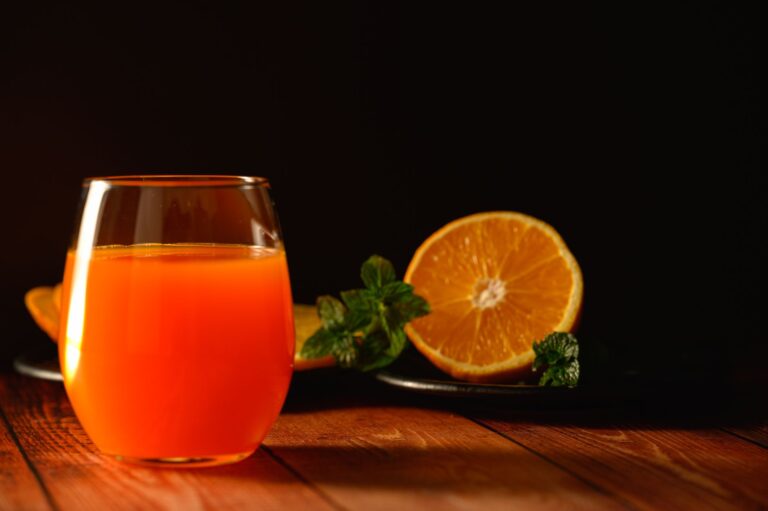
At low temperatures, a slow auger crushes produce before pressure or a screen separates liquid from fibrous pulp. “Cold” describes limited heat during extraction, not refrigeration, sterility, or complete nutrient protection. Your juice can still darken, separate, and spoil after pressing.
This discussion covers equipment, nutrition claims, storage limits, and household trade-offs, so you can judge whether home juicing fits your kitchen routine.
Cold Pressing Uses Limited Heat Rather Than Refrigeration
A carrot enters as solid produce and leaves as drinkable liquid plus dry pulp. Cold-press extraction crushes and squeezes ingredients instead of relying on a fast-spinning blade, leaving much of the insoluble dietary fiber in the pulp.
You are not chilling ingredients inside the machine. “Cold” refers to lower frictional heat from slow masticating extraction or hydraulic squeezing, compared with the heat buildup from a centrifugal juicer’s rapid basket.
Low friction does not stop oxidation
Air starts changing juice as soon as cut surfaces meet oxygen. Oxidation can alter flavor, color, and nutrient retention in apple, pear, spinach, and celery juice. A sealed bottle slows that change, yet your juice still changes during refrigerated storage.
Limited heat does not sterilize produce or remove foodborne bacteria. Raw juice carries the safety limits of its ingredients, your preparation area, and the time it spends in the refrigerator.
Whole Produce Moves Through Crushing and Separation Stages
Clean produce shapes the quality of every glass before the motor starts. Rinse firm items under running water, trim bruised or moldy sections, remove citrus peel, and cut dense roots into pieces that fit your feed chute.
Ingredient moisture changes juice yield. Cucumber releases plenty of liquid, while kale, parsley, and wheatgrass need steady pressure and patient feeding. Your result shifts with produce freshness, cut size, machine design, and the amount of liquid held in the pulp.
An auger turns produce into wet pulp
An auger is a corkscrew-shaped part that pulls ingredients forward and crushes them against a chamber. In commercial production, a grinder performs a similar job by turning apples, greens, or carrots into moist pulp.
That pulp holds more liquid than it appears to hold. The separation stage decides how much juice reaches your glass and how dry the leftover material feels.
Pressure separates juice from pulp
- Wash and trim: Remove soil, damaged spots, stems, pits, and thick peels that could affect flavor or strain the machine.
- Cut to fit: Smaller pieces feed more steadily and reduce jamming around an auger or grinder.
- Crush produce: The auger or grinder turns fruit and vegetables into pulp, exposing juice-filled plant cells.
- Separate liquid: A screen, filter bag, or press holds back pulp while juice flows into a container.
- Chill promptly: Refrigerate the finished drink soon after extraction because pressing does not make it shelf-stable.
| Stage | Equipment action | Visible result |
|---|---|---|
| Preparation | You wash, trim, and cut produce | Clean pieces fit the feed chute |
| Crushing | An auger or grinder breaks plant cells | Wet pulp forms |
| Separation | A screen or press holds back solids | Juice collects below |
| Storage | You cap and refrigerate the drink | Flavor holds longer |
Home Masticating Juicers and Hydraulic Presses Follow Different Paths
A home masticating juicer crushes and separates ingredients inside one compact chamber. Its auger presses produce against a screen, sends liquid through fine openings, and pushes pulp through a separate outlet.
You feed celery stalks slowly because long fibers can wrap around the auger. Alternating celery with moist apple or cucumber helps move pulp through the chamber without forcing the machine.
Hydraulic pressing adds a separate squeeze
Commercial cold-press production takes a more labor-heavy route. A grinder makes pulp, workers pack that pulp into filter bags, and a hydraulic press squeezes the bags under substantial pressure.
That added squeeze can leave compact, drier pulp and raise juice yield from greens or apples. Your countertop machine still limits heat through slower extraction, yet its workflow differs from a hydraulic press.
| Machine type | Extraction path | Practical trade-off |
|---|---|---|
| Masticating juicer | You feed produce into an auger and screen | Countertop setup stays compact, though pulp moves slowly |
| Hydraulic press | You grind pulp, bag it, then squeeze it | Juice yield can rise, though labor rises too |
A juice bar pressing 30 pounds of apples shows the gap clearly. Your countertop auger suits small feedings, while a hydraulic system earns its space through larger batches and filter-bag pressure.
Centrifugal Juicers Trade Lower Prep Time for More Foam and Heat
A centrifugal juicer uses a rapid blade and mesh basket to shred produce, then flings liquid outward through a screen. The machine finishes a carrot-apple drink quickly, though brisk motion creates more foam and more frictional heat.
Your practical choice rests on routine rather than a universal ranking. Slow extraction suits leafy greens, herbs, celery, and repeat juicing, while a centrifugal model suits a rushed weekday drink made from apples, cucumbers, or carrots.
| Factor | Masticating juicer | Centrifugal juicer |
|---|---|---|
| Extraction speed | You feed ingredients slowly | You finish dense produce faster |
| Noise level | The motor runs at a lower pitch | The motor and blade sound louder |
| Foam level | Juice forms less surface foam | Juice forms more surface foam |
| Leafy greens | You can extract greens and celery efficiently | Dry greens can pass through poorly |
| Cleanup task | You wash auger parts and a screen | You scrub a blade basket and mesh |
Cold press vs centrifugal juicing comes down to patience and speed. A masticating model fits frequent green juice, while an occasional juicer may get more use from a faster machine that is easier to rinse.
Convenience can determine which machine gets used, whereas nutrient differences depend more on what happens after juicing.
Nutrient Claims Depend on Storage, Ingredients, and Fiber Loss
Lower extraction heat can limit some processing-related losses, yet no machine locks nutrients in place. Light, oxygen, storage time, ingredient ripeness, and handling shape the vitamin and plant-compound content left in your bottle.
You get vitamins, minerals, and plant compounds from juice, yet pulp separation removes much of the insoluble fiber that slows digestion and adds fullness. Juice yield can vary between machines, though claims that pressing preserves every nutrient or enzyme go beyond what extraction alone can show.
Enzyme and cleansing claims overstate juice benefits
Digestive enzymes in raw produce are proteins that break down during digestion like other dietary proteins. Your liver and kidneys already process waste products, so juice does not perform a distinct cleansing role.
Fruit-heavy recipes can place several pieces of fruit into one small serving. A 12-ounce drink made with apple, pineapple, and beet has a higher sugar concentration than a plate containing those ingredients eaten whole.
Recipe balance shapes the health value
Is cold-pressed juice healthy depends on ingredient ratios, serving size, and the role juice plays in your meals. A vegetable-forward glass can sit beside meals, while juice should not replace whole fruits, vegetables, protein, or fiber-rich staples.
Drink raw juice as a food, not a remedy. A vegetable-heavy recipe with cucumber, greens, celery, or herbs limits the fruit-driven sugar concentration in your glass.
Recipe Balance and Clean Handling Shape Home Juice
An 80/20 mix gives home recipes a workable starting point: about 80 percent vegetables and 20 percent fruit. It is a flavor guideline rather than a scientific health rule, and your taste can shift toward less sweetness over time.
You can start with two cucumbers, six celery stalks, a handful of spinach, half a lemon, and one green apple. Cucumber brings liquid, celery adds a savory edge, spinach adds color, and apple softens bitterness.
Ingredients change flavor, yield, and machine strain
- Watery cucumbers: They add volume and a mild base without much pulp resistance.
- Sweet apples: They round out flavor, though sugar rises quickly with extra fruit.
- Fibrous celery: It adds a crisp flavor, though the auger needs slow feeding.
- Leafy greens: A masticating juicer handles kale, spinach, and herbs more effectively than a fast basket.
- Dense roots: Beets and carrots add earthy flavor, while smaller pieces reduce strain on the machine.
Rinse machine parts soon after pouring your drink, before pulp dries into screen holes. Your collected pulp can enrich vegetable soup, crackers, muffins, or compost, though citrus peel and bitter greens are poor choices for baking.
However you use the pulp, the juice itself remains perishable once cutting and extraction expose it to contamination.
Refrigeration and Sanitation Set the Safety Limits
A pale layer at the top and darker sediment at the bottom are normal in minimally homogenized juice. Different particle sizes and densities separate during storage, so shake a capped bottle before drinking.
Your safety check needs more than appearance. Sour or fermented odor, visible mold, a swollen cap, unexpected fizzing, or uncertain storage history means the juice belongs in the trash.
Raw juice needs prompt refrigeration
Cold pressing does not remove foodborne pathogens from produce or equipment. Keep homemade unpasteurized juice cold, make small batches, and drink it promptly rather than storing it for several days.
Pregnant adults, young children, older adults, and anyone with a weakened immune system face greater consequences from raw-juice contamination. Pasteurized juice is the safer choice for those situations.
HPP changes bottled juice storage
Heat pasteurization uses heat to reduce harmful microbes and extend storage time. High-pressure processing (HPP) uses intense water pressure after bottling, which can extend refrigerated shelf life without conventional heat pasteurization.
Cold-pressed juice vs pasteurized juice is not a nutrition contest alone. A bottled drink can be cold-pressed during extraction and then receive HPP afterward; the label and refrigeration directions tell you more than the front-panel phrase.
Commercial facilities operate under Food and Drug Administration juice safety rules, including Hazard Analysis and Critical Control Points systems for relevant processors. Your home kitchen has no such control plan, so clean hands, washed produce, sanitized equipment, and cold storage carry more weight.
Home Juicing Fits Some Routines Better Than Others
The machine is not the only expense. A green drink can use a full bunch of celery, several cucumbers, leafy greens, lemons, and fruit, while much of the original bulk becomes pulp.
Your routine needs room for slower feeding, part washing, short storage, produce spending, and fiber loss. Those trade-offs matter more than claims that one appliance suits every kitchen.
- Frequent green juice: Slow extraction suits kale, herbs, celery, and wheatgrass used several times each week.
- Higher produce spending: Recipes can require several pounds of ingredients for a few glasses.
- Regular cleanup: Screens, seals, and pulp outlets need rinsing after every batch.
- Speed priority: A centrifugal juicer can fit occasional carrot, cucumber, or apple juice.
- Whole-food meals: A blender may suit your kitchen because it retains dietary fiber.
How cold-press juicing works matters less than whether your habits fit the method. Choose equipment and recipes that suit your week, then treat juice as a fresh produce drink rather than a substitute for whole foods.
Final Takeaways
Crushing followed by pressure explains both the appeal and the limits of cold pressing. Your slower extraction can handle fibrous produce well and produce a smooth drink with less foam, yet it cannot retain all whole-food fiber, preserve every nutrient, or make raw juice safe without refrigeration and sanitation.
FAQ
How does cold-press juicing work step by step?
You wash and trim produce, cut it to fit the feed chute, and feed it into an auger or grinder. The machine crushes ingredients into pulp, then a screen, filter bag, or press separates liquid from solids. Refrigerate your finished juice promptly because extraction does not make it shelf-stable.
What is the difference between a cold-press juicer and a centrifugal juicer?
A masticating juicer crushes produce slowly with an auger and screen, while a centrifugal juicer uses a rapid blade and mesh basket. Your masticating machine suits leafy greens and celery, while a centrifugal machine suits faster carrot, cucumber, and apple juice.
Why is it called cold-pressed if the juicer does not use refrigeration?
“Cold” refers to limited heat buildup during extraction rather than refrigerated ingredients or refrigerated equipment. Your machine still exposes juice to oxygen, and the finished drink still needs refrigerator storage after pressing.
Does cold-press juicing preserve more nutrients than other juicing methods?
Lower heat can limit some processing-related losses, yet oxidation, light, storage time, ripeness, and handling still affect nutrients. Your juice can contain vitamins and plant compounds, though no juicing method preserves every nutrient or retains the fiber found in whole produce.
What are the disadvantages of cold press juice?
Cold-pressed juice can require more produce, more machine parts, and more cleanup than a fast centrifugal method. Your drink also loses much of its insoluble fiber, has a short refrigerated life, and can concentrate sugars when fruit becomes the main ingredient.
Are cold-pressed juices actually healthy?
That add vitamins and plant compounds to your diet, especially with vegetables such as cucumber, celery, kale, and spinach. Your health result depends on portion size, fruit content, food safety, and whether juice supplements rather than replaces whole produce and balanced meals.