

Smooth mornings call for a setup that matches how you actually eat. A weekday smoothie routine, a weekend cold-press habit, and a citrus craving on a slow Sunday all point to different machines. The ten picks below split the difference between countertop blenders built for frozen drinks, slow juicers that pull every drop from leafy greens, and accessories that expand what a single machine can do.
The Shortlist At A Glance
The Shortlist At A Glance

Nama J3 Compact Cold Press Juicer (White)

Nama Large Pitcher Set 100oz with Strainer

Nama Sorbet Attachment for J2 Juicer

Ninja Professional Blender 2.0 1200W BR201AMZ
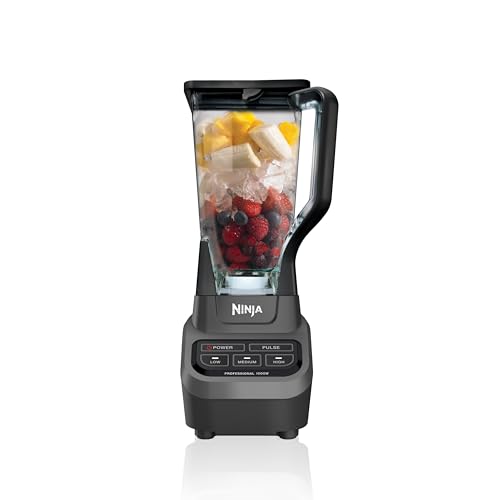
Ninja Professional Blender 1000W BL610

Nama Citrus Attachment for J2 Juicer

Ninja Professional Plus Kitchen System BN801

Ninja Mega Kitchen System 1500W BL770

Nama J2 Cold Press Juicer (Black)
Lageich Wireless Personal Blender 24oz
Meet The Standout Selections
Counter space in a small apartment or a vacation rental tends to be the first thing cold-press juicers lose. The Nama J3 trims that footprint down without trimming the workflow you actually want. It uses a slow masticating press (a single auger that crushes and squeezes produce at low speed rather than spinning it through sharp blades), so the juice that comes out stays cooler and keeps more of its color.
Where the J3 sets itself apart from the larger Nama J2 later in this list is the self-feeding hopper. You load your recipe in one go instead of standing over the chute pushing each carrot through. For a weekday routine where you want to walk away while the machine works, that small change matters more than any spec sheet suggests. The white finish also helps the unit disappear against lighter countertops, which apartment dwellers tend to appreciate.
Standout Benefits
- Hands-free self-feeding hopper, so the actual juicing takes about a minute of attention
- Masticating press extracts more from leafy greens than centrifugal (high-speed spinning) alternatives
- Compact body fits on a narrow counter or stores in a cabinet between uses
- Travel-ready for RV trips, vacation rentals, or second kitchens
- Same family platform as the Nama J2, so accessories and parts share a design language
Things To Consider
- Smaller hopper means longer prep time for very large recipes
- Slow-press cycle runs longer than a high-speed blender for similar volume
- Several internal parts require rinsing right after use to keep pulp from drying on
Key Specs
Who It Suits Best
Solo juicers in small apartments, frequent travelers, and anyone curious about cold pressing without dedicating a whole counter to a full-size machine.
Where Another Pick Suits Better
Home cooks who run multi-ingredient weekend batches should consider the larger Nama J2, which handles bigger recipes without the refill cycle.
One of the underrated chores in a juicing routine is the part that happens after the machine stops. You finish a 30-minute press, then start transferring liquid into bottles, mason jars, and a fridge pitcher that may or may not have a strainer. The Nama Large Pitcher Set collapses all of that into one stop.
The 100oz capacity handles a serious batch, which makes it a natural partner to the J2 juicer covered later in this list. The built-in strainer catches the fine pulp that the press misses, and the pulp catcher keeps the messy side contained. A sealing lid helps if you want to prep Sunday and drink through Wednesday. For households where several people share the same morning glass, the pour spout actually pours without a sheet of paper towel underneath.
Positive Points
- 100oz capacity means one batch covers a family-sized serving for the week
- Built-in strainer cuts down on extra tools and extra rinsing
- Sealing lid extends fridge life without resorting to plastic wrap
- Balanced handle stays steady when the pitcher is full
Worth Noting
- Pitcher body needs hand washing to protect the seal over time
- Takes up a fair bit of fridge shelf space at full capacity
Right Fit For
Weekly meal preppers and families who want to press once and drink for several days without losing freshness.
A Better Fit Elsewhere
People who juice a single glass each morning and rarely batch will get more value from a smaller mason-jar routine than a 100oz pitcher.
An attachment that earns its place on the counter does something the main machine cannot, and the Nama Sorbet Attachment does exactly that. The J2 juicer pulls juice from fresh produce; this add-on turns that same motor into a soft-serve style dessert maker using frozen fruit and yogurt. Two chores, one footprint.
The swap-in design avoids the clutter of a second appliance, which is the reason to even consider it. If you already own a J2, adding the sorbet attachment is cheaper than buying a separate frozen dessert machine. For households that already keep frozen berries on hand, a single-serve sorbet bowl is realistically a 90-second project.
Positive Takeaways
- Uses the J2 motor, so no extra counter space is needed
- Handles both dairy and non-dairy yogurt bases for varied diets
- Frozen fruit and a few pantry staples are all that most recipes require
- Customizable sweetness by choosing which fruit goes in
Points To Note
- Only works with the Nama J2 platform, not the J3 or other juicers
- Frozen fruit must be pre-frozen and somewhat soft, so a few minutes of thaw time helps
Made For
Current J2 owners who want to extend their machine into dessert duty without buying a second freezer-bound appliance.
Look Elsewhere When
Anyone without a J2 in the kitchen will find no value here, since the attachment only works on that specific platform.
Step away from cold press for a moment and into the more familiar territory of a high-powered countertop blender. The Ninja Professional Blender 2.0 brings 1200 watts to a 72oz pitcher, which is the size most families actually need for a smoothie run. The Auto-iQ Crush program is the part worth paying attention to: a preset timed blend cycle that takes the guesswork out of frozen drinks.
Four manual speeds cover the cases where you want to control the texture yourself, like a chunky salsa or a thinner sauce. Compared to the older BL610 covered in the next review, this newer model adds the Auto-iQ presets that busy households tend to lean on. Dishwasher-safe parts keep cleanup from becoming a deterrent to actually using the machine, which sounds small but shapes daily habit.
Benefits That Matter
- 1200W crushes ice and frozen fruit without bogging down mid-cycle
- Auto-iQ preset removes the timing guesswork from smoothies
- 72oz pitcher handles family-sized batches in a single run
- Four manual speeds for dishes that need hands-on control
- Removable parts are dishwasher safe, so cleanup stays quick
Honest Caveats
- 72oz pitcher is large; kitchens with low upper cabinets may need to store the lid off
- Higher wattage means a slightly louder blend cycle than compact models
At A Glance
Who Should Grab It
Families blending multiple smoothies a day, and anyone who wants preset programs to skip the timing decisions on busy mornings.
Not Your Match When
People who want a single-serve option for grab-and-go drinks should consider the Lageich Wireless Personal Blender covered at the end of this list.
The BL610 has been a long-standing model in the Ninja lineup for a reason. 1000 watts and Total Crushing Technology (Ninja’s blade-and-cyclone setup engineered to pull ice and frozen fruit down into the blades) cover the everyday frozen-drink workload without the cost of a higher-watt machine. For most households, 1000W is the threshold where frozen drinks stop feeling like a chore.
The 72oz pitcher matches the larger BR201 reviewed above, which makes this a sensible pick when you want the same batch size but fewer preset programs. The trade-off is manual speed control, which some cooks prefer. Clean-up is straightforward with dishwasher-safe parts. For a kitchen that already runs a separate juicer and just needs a blender for ice and frozen fruit, this is the most sensible tier to start at.
The Practical Payoff
- 1000W is enough to crush ice without hesitation
- Same 72oz capacity as the higher-watt 2.0 model
- Manual controls keep the interface simple
- Wide availability of replacement parts and accessories
Trade Offs
- No preset programs, so timing is up to the operator
- Slightly less powerful than the 1200W BR201AMZ
Feature Snapshot
Best Suited To
Households that want a dependable blender without preset programs, and anyone replacing an older model on a sensible budget.
Skip It When
Cooks who want hands-off preset cycles should step up to the Ninja Professional Blender 2.0 1200W BR201AMZ reviewed above.
Citrus gets short shrift in a lot of juicing routines because peeling a dozen oranges before breakfast is nobody’s idea of a good time. The Nama Citrus Attachment sidesteps the entire prep step. Cut the fruit in half, press down, and the J2’s motor does the rest.
The trade-off is platform lock-in. This attachment only works on the Nama J2, so it makes sense only if you already own that base. For households that drink fresh orange or grapefruit juice several times a week, the time savings compound quickly compared to a manual citrus press. The pulp control also tends to be more consistent than a hand reamer, which matters when you want clear juice for a recipe rather than a pulpy breakfast glass.
Well-Handled Touches
- Skips the peel step entirely, cutting prep time
- Uses the J2 motor so no extra appliance is needed
- More consistent pulp control than a manual reamer
Less Ideal Details
- Only fits the Nama J2 platform
- Smaller fruit like limes may need extra pressure to fully extract
Whose Shelf It Belongs On
J2 owners who want fresh citrus juice without the peel-and-press routine, especially for high-volume morning glasses.
Swap It Out When
Anyone without a J2 will get no use from this attachment and should look at a standalone manual citrus reamer instead.
When one appliance can do five jobs, the math on counter space shifts. The Ninja Professional Plus Kitchen System pairs a 1400-watt peak motor with a 72oz blender pitcher, a 64oz processor bowl, and two 24oz single-serve cups. The Auto-iQ programs run the same kind of set-and-go cycles that made the smaller BR201 convenient.
This is a step up from the BR201 and BL610 covered earlier. The processor bowl handles dough and chopping, which is the kind of task a plain blender will not touch. For a household that already wants to make smoothies in the morning and pizza dough in the evening, one motor and one footprint beat two separate machines. The trade-off is storage: more parts to keep track of, and a few extra minutes on the cleanup side after dough cycles.
Notable Gains
- 1400W peak motor handles both blending and dough
- Five functions: smoothies, chopping, dough, plus extraction and frozen drinks
- Includes single-serve cups for grab-and-go portions
- Auto-iQ presets simplify each program
Things To Weigh
- More components mean more cabinet space required
- Dough cycles need a few extra minutes of cleanup compared to liquid blends
Quick Facts
Perfect Match For
Bakers and home cooks who want one machine to handle morning smoothies and evening dough prep without switching appliances.
Consider Something Else When
Minimalist kitchens with limited cabinet space may prefer the simpler Ninja BL610 reviewed earlier, which has fewer parts to store.
The Mega Kitchen System is the heaviest hitter in this roundup’s blender half. 1500 watts of motor backed by a 72oz Total Crushing pitcher and an 8-cup processor bowl covers everything from weekend salsa projects to weekday smoothies. The two 16oz Nutri Ninja cups add single-serve blending to the package.
Compared to the BN801 covered above, the BL770 leans older and slightly less refined, but the raw power and full processor bowl make it a genuine workhorse. For households that want one appliance in place of a stand mixer, a food processor, and a smoothie blender, this is the most direct path. The honest read is that it earns its space by being genuinely useful across multiple cooking tasks, not just on smoothie duty.
Useful Touches
- 1500W motor handles dough, chopping, and crushing with equal ease
- 8-cup processor bowl supports real meal prep
- Includes single-serve cups for personal portions
- Replaces multiple appliances in one footprint
Possible Compromises
- Large footprint needs dedicated counter or cabinet space
- More parts to wash between uses than a basic blender
Who Will Love This
Home cooks who batch cook weekly and want a single high-power appliance to cover blending, processing, and dough.
Another Choice May Suit
Smaller households with lighter cooking needs will find the BL610 covered earlier a more proportionate fit for daily smoothies only.
The Nama J2 is the full-size version of the J3 covered at the top of this list, and it is the model most cold-press routines are built around. The hands-free self-feeding hopper works the same way: load your produce, walk away, and let the slow masticating press do the work. The difference is hopper size, which lets you run longer recipes without pausing to refill.
For households that batch juice once or twice a week, the J2 saves real time over its smaller sibling. The citrus and sorbet attachments covered earlier slot directly into the J2 platform, so the machine becomes a small ecosystem rather than a single-purpose tool. Clean-up is the part to plan around: owners commonly report that rinsing the parts right after a press prevents pulp from drying on and turning into a longer scrub session later.
Reasons It Performs
- Hands-free hopper removes the constant feeding step
- Larger capacity handles multi-recipe batches without refilling
- Slow masticating press extracts more from greens and fibrous produce
- Compatible with Nama sorbet and citrus attachments
Points To Keep In Mind
- Several internal parts need prompt rinsing after each use
- Takes more counter space than the J3
Technical Reference
Built With In Mind
Regular cold-press users who batch juices weekly and want a machine that runs the same recipes the J3 covers, with fewer refills.
Where A Sibling Pick Shines
Small-kitchen dwellers with limited counter space will find the Nama J3 a more proportionate fit for daily use.
A cordless personal blender is one of those categories that sounds like a gimmick until you actually use one. The Lageich model runs on a 24oz cup that doubles as the travel vessel, with a 360W motor, a six-blade assembly, and a 6000mAh battery that supports cordless blending away from a power outlet.
The use case is narrow but real: gym bags, road trips, dorm rooms, and hotel counters. The six-blade setup handles frozen fruit better than most single-serve units, which are typically limited to softer ingredients. A self-cleaning cycle (water plus a drop of soap, run for a few seconds) is a thoughtful touch for a portable unit. The honest read is that this is a companion to a larger machine, not a replacement, and pairing it with one of the cold-press juicers earlier in this list covers both home and on-the-go routines.
Useful Strengths
- Cordless operation frees you from outlet hunting
- 24oz cup doubles as a travel vessel
- Six-blade setup handles frozen fruit better than typical portables
- Self-cleaning cycle simplifies post-use maintenance
- BPA-free cup material for daily drinking
A Few Limitations
- Battery life limits how many cycles you can run between charges
- Smaller capacity than any of the countertop blenders in this roundup
Who It Suits Best
Commuters, gym-goers, and travelers who want fresh smoothies and juices without hunting for an outlet in a hotel room or a coworker-free desk.
Reach For A Different Pick When
Families that batch large smoothie recipes should keep the Ninja BR201 or BL610 covered above as the primary workhorse.
Picking The Right Setup For Your Kitchen
Choosing between a high-speed blender and a slow masticating juicer comes down to what you actually drink. A centrifugal-style countertop blender (the Ninja models covered above) crushes ice and frozen fruit fast, which makes it the right tool for thick smoothies, frozen drinks, and quick blender sauces. A masticating juicer like the Nama J2 and J3 presses produce slowly, which yields a cooler, less foamy juice that holds onto more of its color and tends to keep longer in the fridge.
Capacity matters more than people expect. A 72oz pitcher is great for family-sized batches, but if your fridge has narrow shelves, that 100oz Nama pitcher from the second pick may not actually fit. For single-serve routines, the cordless Lageich avoids the cleanup that deters people from using larger machines on a daily basis.
Attachment ecosystems are worth thinking about before you buy. The Nama J2 platform grows into citrus and sorbet duty with add-ons, while the Ninja systems above expand into food processing and dough. Picking a platform you can grow into usually beats buying a perfect-fit single-purpose machine that you outgrow in a year.
Key Considerations Across These Picks
Common Shopping Slip Ups
The first mistake is matching the machine to the wrong goal. A blender cannot make cold-pressed juice in the traditional sense, and a slow juicer will not crush ice for a smoothie. Decide whether your daily habit is thick blended drinks or pressed juice, and start there.
The second slip is ignoring cleanup friction. Masticating juicers like the Nama J2 have several small parts that need rinsing soon after use, and a high-watt blender still needs the blade assembly removed and washed. Either chore becomes a real barrier if cleanup takes ten minutes per use.
What The Higher Tier Buys
Moving from the BL610 up to the BR201AMZ buys Auto-iQ preset programs, which is the difference between timing a blend yourself and walking away. The jump from the BR201 to the BN801 or BL770 adds a full processor bowl and a higher-watt motor, which is the difference between smoothies and a real meal-prep machine.
For cold-press shoppers, stepping from the J3 to the J2 buys hopper size and attachment compatibility, which is the difference between a daily single-serve routine and a batch operation that can branch into sorbet and citrus.
Frequently Asked Questions
What is the difference between a blender and a fruit juicer?
A blender pulverizes whole fruits and vegetables into a drink that includes the fiber, while a fruit juicer separates the liquid from the pulp, producing a thinner drink without the fiber.
Can a single machine replace both a blender and a juicer?
Not entirely. A high-power blender can approximate juice by straining blended produce, but it cannot match the slow press of a masticating juicer, and a juicer will not crush ice or blend frozen fruit.
How loud are these countertop blenders?
Models in the 1000W to 1500W range are noticeably louder than small personal blenders, so placement away from open living areas matters in smaller homes.
Do cold-press juicers really keep more nutrients?
Slow masticating presses generate less heat and less oxidation than high-speed methods, which helps preserve color and flavor. Whole-nutrient claims vary, but the difference in taste and storage life is consistent.
How often should I clean a juicer or blender?
Rinse juicer parts immediately after each use, and wash blender parts after every blend cycle. Letting pulp dry on a juicer screen or under a blender blade turns a quick rinse into a longer scrub.
Closing Remarks
The right pick depends less on specs and more on which drink habit actually shows up in your kitchen. Cold-press households get the most from the Nama J2 and its growing accessory set. Smoothie families do well with the Ninja BN801 or the simpler BR201. Travelers and commuters get the most mileage from the cordless Lageich at the end of this list. Match the machine to the habit, and the rest of the routine tends to follow.



