

A small kitchen counter doesn’t mean giving up on fresh juice, and the current crop of compact juicers has gotten surprisingly capable. The trick is matching the right machine to how you actually shop and cook, because not every mini-juicer handles kale, ginger, and whole apples the same way.
This roundup focuses on appliances that earn their footprint: slow masticating models that pull a lot of liquid from soft produce, centrifugal options for speed, and one clever plant-milk maker for nut-milk fans. Each pick below has a clear strength, a real trade-off, and a reader profile it suits, so you can pick the one that fits your morning routine without overspending on features you won’t touch.
The Leading Options At A Glance
Anybear 200W Cold Press Slow Juicer 4.3″ Feed Chute

Nama J2 Hands-Free Cold Press Juicer (Gray)

Anybear 350W Cold Press Juicer 4.9″ Feed Chute

Magic Bullet Mini Juicer with Cup
Anybear 200W Cold Press Juicer 4.3″ Whole Chute

Nama M1 Plant-Milk Maker (White)
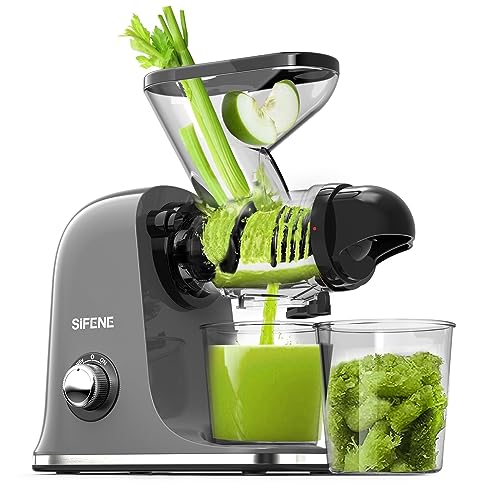
SIFENE Mini Slow Masticating Juicer (Gray)

Nama J2 Hands-Free Cold Press Juicer (White)

Gemini Cold Press Juicer 3″ Chute, 3 Modes (Black)
The Details Behind The Selections
The 200W Anybear slow juicer uses a single-auger masticating design, which means it squeezes produce at low RPM rather than spinning fast blades. That approach typically preserves more color and flavor in delicate greens, and the 4.3-inch chute accepts medium-sized produce without forcing you to chop everything into coins first. For most home counters, that chute size hits a useful middle ground between convenience and footprint.
If you mostly juice soft fruits, leafy greens, and the occasional carrot, this machine has enough muscle without dominating the counter. Compared to the larger Anybear 350W model further down this list, the trade-off shows up when you push hard vegetables like ginger or beets for longer runs. It also ships with a recipe booklet, which is a quiet plus for anyone new to cold-press juicing.
Positive Points
- 4.3-inch feed chute reduces chopping on apples, pears, and cucumber halves.
- Single-auger masticating action pulls good yield from soft produce and greens.
- Low-RPM extraction helps juice hold its color and flavor longer in the fridge.
- Compact body suits smaller counters and apartment shelving.
- Included recipe booklet gives new users a starting point for blends.
Things To Consider
- The 200W motor strains during long beet or ginger sessions, so you may need to cut those into smaller pieces.
- Masticating juicers run slower than centrifugal options, which matters when you’re in a rush.
Key Specs
Right Fit For
First-time cold-press owners who juice a few times a week and want a manageable footprint.
Look Elsewhere When
The Anybear 350W model further down this list is the better match for households that run dense root vegetables every morning.
The Nama J2 leans into convenience with a self-feeding hopper that takes a full recipe at once, then cuts and presses it without you hovering over the chute. That hands-free approach is genuinely useful for anyone juggling breakfast, school lunches, and email at the same time. Because the machine does the feeding work, you get to slice fruit on a cutting board instead of playing produce-loading attendant.
For daily kitchen use, the bigger hopper changes the workflow in a way most juicers don’t. You dump, walk away, and come back to a pitcher. Against the slower Anybear models, the Nama J2 trades some of the meditative manual process for genuine time savings. Depending on how you cook, that may be the more practical upgrade.
Strengths Worth Knowing
- Self-feeding hopper accepts a full batch, freeing your hands while it runs.
- Masticating design extracts juice without high-heat oxidation.
- Gray finish blends with most stainless and matte appliances.
- Pulp comes out drier than many budget slow juicers, which improves yield on soft produce.
Worth Noting
- The hopper is larger than the Anybear 4.3-inch chute, so the unit takes up more vertical space on the counter.
- Cleanup of the cutting and feeding assembly takes a few extra minutes compared to single-chute designs.
Who It Suits Best
Busy home cooks who want to load the machine once and walk away while it works.
A Better Fit Elsewhere
The SIFENE Mini Slow Masticating Juicer is a smarter pick for very tight counter space where vertical clearance is limited.
Step up to 350W and the 4.9-inch chute, and this Anybear turns into a true daily driver. A wider chute means whole apples and large carrots often drop in with little to no slicing, and the upgraded motor handles dense root vegetables without the slow-down you can feel on the 200W sibling. The dual-stage cold press process squeezes produce twice, which translates to noticeably drier pulp and more juice in the pitcher.
For households that juice most mornings, this is the pick that earns its spot on the counter. Where the smaller Anybear 200W model feels like an entry-level choice, the 350W version has the headroom for serious use. Depending on your produce habits, you may find this is the only one you ever need.
The Good Stuff
- 4.9-inch chute swallows whole apples and carrots with minimal prep.
- 350W motor stays composed during long beet, ginger, and kale runs.
- Dual-stage extraction produces drier pulp and more juice per batch.
- Single-auger design keeps the body compact for the power on offer.
Honest Caveats
- The body is heavier than the 200W Anybear, so moving it for daily cleanup gets old fast.
- Higher torque means a higher price tag than the basic cold-press options above.
Feature Snapshot
Made For
Active households that juice daily, including hard root vegetables and fibrous greens.
Where A Sibling Pick Shines
The Magic Bullet Mini Juicer is a smarter grab for people who mostly want fast citrus and soft-fruit drinks, not long masticating sessions.
The Magic Bullet Mini uses a centrifugal design, the high-speed spinning-blade style that produces juice in seconds rather than minutes. That speed is the headline feature for anyone who wants a quick glass of OJ or apple juice before work, without the meditative pace of a slow masticating model. The included cup doubles as a serving glass, which keeps the workflow tidy.
For first-time juicers and apartment dwellers, the small footprint and low learning curve are genuinely appealing. The honest read is that centrifugal action adds a bit more heat and air than cold-press machines, so juice from greens may separate faster. For most people, the trade-off is worth it for the speed.
A Few Strong Suits
- Centrifugal action juices soft fruits and citrus in seconds.
- Compact base fits in cabinets, on small counters, and in dorm rooms.
- Included cup acts as both a collection and serving vessel.
- Minimal assembly, friendly for first-time juicers.
Points To Note
- Centrifugal design introduces more heat and air than masticating juicers, so leafy greens yield less.
- Hard produce like carrots may need pre-cutting to fit the chute.
Best Suited To
Quick-breakfast households and dorm or studio kitchens prioritizing speed over yield.
Swap It Out When
The Anybear 350W Cold Press Juicer is the better choice for anyone serious about getting the most juice from kale, chard, and wheatgrass.
This is the second 200W Anybear in the roundup, and the difference is mostly in the labeling around whole-fruit use and recipe support. The 4.3-inch chute is the same useful size as its sibling above, accepting medium produce without forcing you to quarter everything. The recipe booklet helps new owners get past the blank-canister stage on day one.
For anyone watching cost, the case for this model over the 350W Anybear is straightforward: the same masticating style, same chute, just less motor headroom. It handles most of what home juicers throw at it. For very hard roots, the 350W version remains the safer call.
Useful Touches
- Single-auger cold-press design preserves color and flavor in greens.
- 4.3-inch chute handles whole pears, apples, and cucumber sections.
- Recipe booklet included for beginners building their first blends.
- Compact housing fits on most apartment counters.
Softer Spots
- 200W motor can feel underpowered on dense ginger or large beet batches.
- Cleaning the mesh strainer takes a few minutes more than simpler centrifugal baskets.
Quick Facts
Whose Shelf It Belongs On
Budget-conscious shoppers who want a true cold-press machine and mostly juice soft produce.
Consider Something Else When
The Nama J2 Hands-Free Cold Press Juicer suits anyone who wants to skip the loading process entirely.
The Nama M1 is technically a plant-milk maker rather than a juicer, but it earns a spot here because nut-milk fans shop the same category. It blends nuts, seeds, or grains with water and then strains the pulp, producing creamy oat or almond milk in minutes. There’s no overnight soaking required, which is the main reason people buy these over DIY jar methods.
On the counter, it looks and behaves more like a small blender with an internal strainer. For anyone who keeps oat milk stocked for coffee, the convenience shows up the very first morning. If your goal is fruit and vegetable juice, this isn’t the right tool, but for dairy-free households, it fills a real gap.
What It Does Well
- Makes creamy plant milk from nuts, oats, seeds, and grains in minutes.
- No pre-soaking required for most recipes.
- Produces dry pulp that’s useful in baking, smoothies, or crackers.
- White finish matches bright, modern kitchens.
Where It May Fall Short
- It is not a fruit or vegetable juicer, so the value depends on whether you actually drink plant milk.
- Batch size is limited compared to stovetop methods for big families.
Perfect Match For
Dairy-free households and latte lovers who want clean, homemade plant milk on demand.
Reach For A Different Pick When
The Anybear 350W Cold Press Juicer is the right tool if your priority is fruit and vegetable juice, not nut milk.
The SIFENE Mini is built for small kitchens, apartments, dorms, and even RV counters where every square inch matters. Its dual feed chute lets you push long items like celery through one opening and smaller fruit pieces through another, which surprisingly cuts prep time. The slow masticating action is also noticeably quiet, a real plus in open-plan spaces where early-morning juicing happens while someone’s still asleep.
For renters and small-space dwellers, this is a thoughtful compact option. The trade-off is yield: the smaller motor doesn’t squeeze quite as much liquid from tough greens as the larger Anybear models. For everyday oranges, carrots, and celery, it handles the job well.
The Case For It
- Dual feed chute reduces chopping for celery and similar long produce.
- Compact form factor suits apartments, dorms, and RVs.
- Quiet motor is friendly to shared walls and early risers.
- Single-auger slow press protects color and flavor.
Worth Bearing In Mind
- Smaller motor means somewhat less yield on hard roots and tough greens.
- The dual chute adds a part to clean compared to single-chute designs.
Who Should Grab It
Renters, students, and travelers who need a quiet, compact slow juicer for small counters.
Another Choice May Suit
The Gemini Cold Press Juicer makes more sense for households that want a wider chute and multiple juicing modes.
The white Nama J2 is functionally identical to the gray version earlier in this list, with the same self-feeding hopper and cold-press extraction. The case for it is purely aesthetic, since the white finish photographs beautifully against light countertops and pairs well with bright, modern kitchens. If you’ve already built a clean white appliance lineup, the gray version can look heavy in comparison.
For kitchens where visual consistency matters as much as function, the color choice alone is a real reason to pick this one. The performance profile, hands-free loading and dry-pulp yield, is the same. Where the white J2 shines is in design-led spaces; where it falls short is for anyone who can’t justify paying more for the same internals.
The Upside
- White finish complements light, modern kitchen palettes.
- Same hands-free hopper as the gray Nama J2 for true set-and-walk-away juicing.
- Masticating extraction keeps juice cool and well-separated.
- Statement piece for open shelving and visible counters.
Room For Improvement
- Identical internals to the gray J2, so the price premium is essentially for color.
- White plastic can show pulp splatter more than darker finishes.
Built With In Mind
Style-conscious cooks who want their juicer to look as good as the rest of their kitchen.
Not Your Match When
The SIFENE Mini Slow Masticating Juicer is the better pick for anyone prioritizing compact storage over finish color.
Gemini’s cold-press juicer stands out for two things you don’t always see at this size: a 3-inch wide chute and three selectable juicing modes. The mode switch lets you tune the auger speed for soft produce, hard roots, or mixed blends, which is genuinely useful when you alternate between leafy greens and beet-heavy recipes. The wider chute is a small daily convenience that adds up over weeks of use.
For anyone who treats juicing like a creative habit rather than a single morning ritual, the mode flexibility makes this pick stand out. The trade-off is a slightly larger body than the simplest compact juicers here. For experimenters, that’s an easy price to pay.
Key Advantages
- 3-inch chute takes larger produce pieces, reducing prep time.
- Three juicing modes adjust pressure and speed for different produce types.
- Slow masticating action minimizes heat and oxidation.
- Black finish hides pulp splatter between cleanings.
Trade Offs
- Slightly larger body than the smallest options in this list.
- Mode switch adds a small learning curve for first-time users.
At A Glance
Who Will Love This
Home cooks who rotate between soft and hard produce and like the idea of dialing in a setting per recipe.
Skip It When
The Anybear 200W Cold Press Juicer is a simpler, lighter pick for anyone who doesn’t need the mode switch.
Picking The Right Slow Juicer For Your Counter
A slow juicer, also called a masticating juicer, uses a single rotating auger to crush and press produce at low RPM, in contrast to centrifugal models that spin a blade basket at high speed. The slower action typically delivers drier pulp, quieter operation, and juice that holds its color longer in the fridge.
Chute Size And Daily Prep
Chute width controls how much chopping you do before juicing. A 3-inch or wider chute accepts whole apples and carrots with little slicing, which matters for weekday mornings. A 4.3- to 4.9-inch chute on the Anybear models goes further, fitting most produce whole. For low-volume juicers, a smaller chute adds only a minute or two of prep, so it’s not always worth paying for the wider openings.
Motor Power And Produce Variety
A 200W motor handles soft fruits, citrus, and leafy greens comfortably. A 350W motor adds headroom for hard roots, fibrous ginger, and long daily runs. For households that mix beet, carrot, and apple recipes into one batch, the extra torque prevents the slow-down you can feel in lower-wattage models. The trade-off is weight and price, so match the motor to your produce habits, not to spec sheet hype.
Masticating Vs. Centrifugal
Masticating juicers run slower, extract more, and stay quieter, but they take longer per glass. Centrifugal juicers like the Magic Bullet Mini are faster and lighter but introduce more heat and air, which can shorten the life of your juice. For leafy greens and nutrient-focused recipes, masticating wins. For quick citrus and apple drinks, centrifugal is plenty.
Footprint, Cleanup, And Storage
Mini-juicers live or die on how easy they are to clean and store. Single-chute designs usually have fewer parts to scrub, while dual-chute and self-feeding hopper models add convenience at the cost of more disassembly. If your counter is small, the SIFENE Mini and the Anybear 200W models store more easily than the larger Nama J2, which trades compactness for hands-free operation.
Key Considerations Across These Picks
Common Shopping Slip Ups
The easiest mistake is buying for wattage alone, since raw watts don’t tell you how a juicer handles soft greens. A second pitfall is ignoring chute size, which determines whether your morning takes five extra minutes of slicing. Finally, skipping the pulp-moisture check leaves you with a juicer that looks similar to a competitor but produces noticeably wetter pulp, meaning less juice per pound of produce.
Why Top Tier Costs More
Higher-tier mini-juicers typically earn the extra cost through wider chutes, more powerful motors, multi-mode flexibility, and better materials in the auger and strainer. For daily juicers, those upgrades pay off in saved time and longer juice life. For occasional use, a basic 200W masticating model is often the smarter value, since you’ll spend the same time either way and the difference in yield matters less when you juice once a week.
Frequently Asked Questions
What Size Feed Chute Is Best For A Mini-Juicer?
A 3- to 4.9-inch chute handles most whole produce with minimal prep, which makes weekday juicing much faster. If you mostly juice pre-cut fruit, a smaller chute works fine, though you’ll spend a few extra minutes slicing.
Are Masticating Juicers Better Than Centrifugal?
Masticating juicers usually extract more juice, run quieter, and keep nutrients intact better than centrifugal models. Centrifugal juicers win on speed, which matters for quick citrus or apple drinks.
How Often Should I Clean A Mini-Juicer?
Rinsing the strainer, auger, and juice container right after each use prevents pulp from drying onto the mesh. A deeper clean once a week keeps the screen clear and the motor running cool.
Can Mini-Juicers Handle Leafy Greens Like Kale?
Masticating juicers handle kale, chard, and similar greens well when fed slowly in small bundles. Centrifugal juicers tend to leave more liquid trapped in the pulp with leafy produce, so yield drops noticeably.
Do I Need A Plant-Milk Maker If I Already Own A Juicer?
A plant-milk maker like the Nama M1 blends and strains nut or oat milk in one step, which a standard juicer can’t match. For dairy-free households, the dedicated machine is genuinely worth the space.
Closing Remarks
The right mini-juicer comes down to your produce habits, your counter, and how often you actually press the button. Match the chute size and motor to the recipes you make most, and the rest of the decision tends to fall into place. Whichever pick above suits your kitchen, a few minutes of morning routine is all it takes to make fresh juice a habit rather than a hassle.



