

Slow juicing has earned a loyal following for good reason, and Kuvings sits near the center of that conversation. You get nutrient-dense juice, less foam, and a quieter morning routine compared to high-speed spinning baskets. The trouble shows up when you try to match a specific Kuvings model (or a close neighbor) to the way you actually cook, prep, and clean. This list walks through ten solid options, from wide-chute workhorses to compact cold-press machines and the brushes that keep them humming. The goal is simple: help you spend once and enjoy the habit.
Your Options, Compared
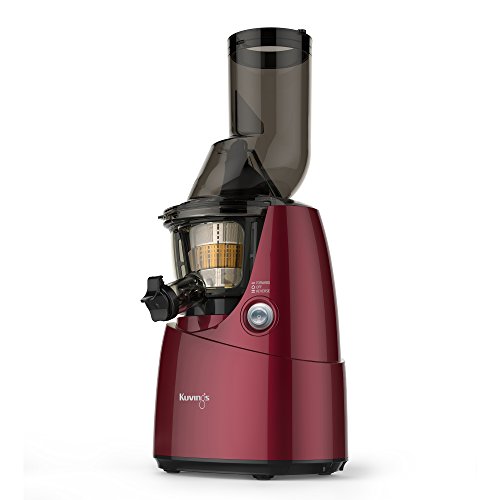
Kuvings B6000P Whole Slow Juicer Red with Sorbet Maker

Nama J3 Compact Cold Press Juicer (White)

Nama J2 Cold Press Juicer (Black)
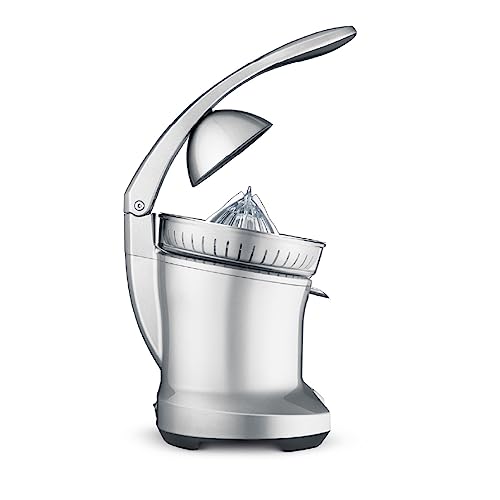
Breville BCP600SIL Citrus Press Juicer (Silver)

Kuvings AUTO10 Cold Press Juicer 100 oz (White)

Kuvings AUTO10 Cold Press Juicer 100 oz (Silver)
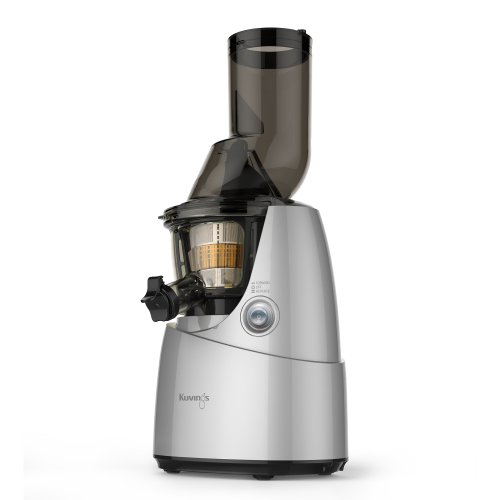
Kuvings Whole Slow Juicer B6000S (Silver)
Kuvings B6000PR Whole Slow Juicer with Sorbet Strainer (Red)

Nama J2 Cold Press Juicer (White)

SanQuan Masticating Juicer Cleaning Brushes (4-Pack)
Why These Options Stand Out
The B6000P is the slow juicer that defined the wide-chute era, and it still earns attention. The 3-inch opening accepts whole apples, peeled oranges, and stalks of kale without forcing you to pre-chop everything into tiny pieces, which most home cooks genuinely appreciate on a hurried morning. The included sorbet maker swaps in for frozen bananas, berries, and mango, turning the same machine into a soft-serve style dessert tool.
Compared to the Nama J3 we will see later, the B6000P trades compactness for raw versatility. If your fridge tends to hold a rotating cast of produce rather than a single daily green, this model’s flexibility pays off across the week.
Practical Advantages
- Wide 3-inch feed tube trims prep time on whole fruits and large vegetable pieces
- Low-RPM masticating action helps preserve color, flavor, and nutrient density in the glass
- Included sorbet strainer expands use beyond juice into frozen treats
- Smart Cap helps mix juices inside the bowl for a balanced final pour
- Cleaning tool set and recipe book shorten the learning curve for new owners
Things To Consider
- The body is sizeable, so smaller countertops may feel crowded during use
- Several components require hand-washing promptly to prevent pulp from drying in mesh crevices
At A Glance
Who It Suits Best
You juice most mornings, rotate through varied produce, and want one machine that can also handle frozen fruit desserts for the family.
Where Another Pick Suits Better
Travelers and tiny-apartment dwellers will find the Nama J3 a more countertop-friendly fit thanks to its compact frame and lighter footprint.
The Nama J3 leans into the “small kitchen, big routine” idea. Its single-auger masticating build runs cool and quiet, which matters in studio apartments and early-morning households where a screaming motor is not welcome. A self-feeding hopper lets you load a recipe and walk away to slice lemons or pour coffee while the machine works through the produce.
Where the Kuvings AUTO10 focuses on larger-batch family output, the J3 prioritizes portability and a tighter footprint, so it slides into a cabinet, an RV galley, or a beach-house counter with minimal fuss.
Notable Upsides
- Compact frame suits smaller counters, vacation homes, and mobile setups
- Self-feeding hopper frees your hands for adjacent prep tasks
- Slow-masticating extraction produces drier pulp and richer juice
Worth Noting
- Smaller hopper capacity means more frequent refills for large family batches
- Compact augers typically need careful brush cleaning to prevent residue buildup in grooves
Made For
Singles, couples, and renters who juice a few times a week without wanting a full-size appliance dominating the counter.
Consider Something Else When
You regularly juice for four or more people in one sitting, in which case the Kuvings AUTO10’s 100-ounce capacity will save repeated hopper refills.
The Nama J2 is built around a single, focused promise: load it, walk away, and come back to a pitcher. The self-feeding hopper handles whole apples, cucumber spears, and celery bunches without babysitting, and the matte black housing looks at home next to a coffee station or modern range.
Side by side with the compact J3, the J2 trades a slimmer footprint for a larger feed chamber, which tends to suit people who want hands-free operation without committing to a family-size machine. You may find the wider chute noticeably faster when prepping big Sunday batches.
Why It Works Well
- Hands-free hopper design removes the constant push-down that wears out wrists
- Single-auger masticating extraction keeps operation quiet enough for early risers
- Streamlined black finish blends into darker kitchen palettes
- Slow pressing preserves color and reduces foam in the glass
Trade Offs
- Several strainer parts need hand-washing rather than a quick dishwasher cycle
- Hopper lid alignment takes a beat to learn for first-time owners
Feature Snapshot
Right Fit For
You multitask in the kitchen, want juice ready by the time the toast pops, and prefer a hands-off appliance over manual pushing.
Look Elsewhere When
You want citrus-only speed without the prep of whole produce, in which case the Breville BCP600SIL cuts a cleaner, faster path.
The Breville BCP600SIL is not a slow masticating juicer, and that is exactly the point. The motorized citrus press handles everything from a key lime to a large grapefruit with one-handed operation, and the finned cone pulls nearly every drop from the rind. It suits households that drink fresh orange juice on weekend brunches but rarely run a carrot or beet through a juicer.
Where the Kuvings B6000P is a multi-day, multi-produce machine, the Breville is a specialist. The honest read is that this is the right tool if citrus is the only thing on your juicing list, and the wrong tool the moment kale enters the picture.
Features That Help
- One-handed operation makes it easy to press citrus while pouring or slicing
- Finned cone maximizes extraction from small limes up to grapefruits
- Motorized action reduces hand strain during long brunch sessions
- Compact footprint sits comfortably on most bars or counters
Points To Keep In Mind
- Limited strictly to citrus, so leafy greens and hard produce are out of scope
- Stainless exterior shows fingerprints and needs a quick wipe after each use
Quick Facts
Who Should Grab It
You press oranges, lemons, or grapefruit weekly and want bar-quality citrus juice without the workout of a hand reamer.
A Better Fit Elsewhere
Vegetable-heavy juicers should look at the Kuvings AUTO10 for its auto-cut whole-fruit handling and broader ingredient range.
The AUTO10 is Kuvings’ flagship, and the 100-ounce hopper signals that intent clearly. The auto-cut blade slices whole produce as it enters, the self-feeding chamber keeps things moving, and the slow 50-RPM press produces silky, low-pulp juice that holds color and flavor. You load it once and the machine carries the workload.
Compared to the original B6000P, the AUTO10 trades some manual involvement for true hands-free output. If your household runs through a pitcher of green juice every morning, the upgrade math works in your favor. For occasional weekend use, the older model may already cover your needs.
The Value In It
- 100-ounce hopper handles family-sized batches in one load
- Auto-cut blade reduces the chopping you do before each run
- 50-RPM slow press supports nutrient retention and richer flavor
- Upgraded auger design produces drier pulp, meaning more liquid in the pitcher
Minor Gripes
- Larger footprint demands dedicated counter or cabinet space
- Higher complexity means more parts to learn during cleaning
Key Specs
Best Suited To
Families and dedicated juicers who want a flagship-level hands-free machine and have the counter space to host it.
Skip It When
You juice solo a few mornings a week, in which case the Nama J2 delivers the same hands-free convenience in a tighter body.
The silver AUTO10 is the same machine as the white version above, with a finish that leans into stainless-accented kitchens. The auto-cut blade, 100-ounce hopper, and 50-RPM slow press all carry over. What changes is the visual tone, which matters in open-concept homes where the appliance stays on display.
For shoppers comparing the two AUTO10 colorways, the choice is purely aesthetic. Spec-for-spec, the pressing performance matches the white model, so the practical question is which finish suits the room.
Standout Benefits
- Stainless-style housing reads as a higher-end appliance on the counter
- 100-ounce capacity supports family batches without reloads
- Hands-free operation frees you to prep breakfast alongside juicing
Honest Caveats
- Same large footprint as the white model, so space planning still applies
- Stainless-look finish can show smudges during use
Whose Shelf It Belongs On
You want flagship Kuvings performance and prefer a brushed-metal aesthetic that pairs with stainless ranges and hoods.
Swap It Out When
You are working with a smaller kitchen, where the Nama J3’s compact body will feel less intrusive on the counter.
The B6000S is the model that put Kuvings on the slow-juicing map, and it remains a smart entry point. The 3-inch chute swallows whole apples and celery bunches, the 240-watt motor runs cool at low RPMs, and the BPA-free components keep juice contact surfaces food-safe. It is the kind of machine that quietly outlasts the trends that follow it.
Compared to the newer AUTO10, the B6000S asks for a touch more hands-on feeding, but the core slow-press experience is the same. For first-timers who want proven technology without paying for auto-cut convenience, this is the workhorse pick.
The Case For It
- 3-inch feed chute cuts prep time for whole fruits and vegetables
- 60-RPM masticating action supports nutrient retention and quieter runs
- BPA-free construction keeps contact surfaces food-safe
- Long-standing model with widespread owner familiarity and parts availability
Where It May Fall Short
- Manual feeding during use takes more attention than hands-free AUTO models
- Strainer mesh benefits from a dedicated brush (see the SanQuan set below) for thorough cleaning
Tech Sheet
Who Will Love This
First-time slow juicers who want a time-tested Kuvings model with simple operation and proven performance.
Not Your Match When
You want full hands-free loading, in which case the AUTO10’s auto-cut hopper will save more time on busy mornings.
The B6000PR builds on the classic B6000 platform and adds a smoothie and sorbet strainer to the kit. That extra accessory turns the machine into a multi-purpose tool for frozen fruit desserts, nut milks, and thick smoothies, all from the same slow-press base. The red housing makes a strong visual statement in a neutral kitchen.
Versus the silver B6000S, this model leans into kitchen-counter personality. The trade-off is a slightly louder visual presence, but you gain dessert and smoothie flexibility without buying a second appliance.
Benefits That Matter
- Includes sorbet and smoothie strainer for frozen treats and blended drinks
- Wide feed chute accepts whole produce to limit chopping
- Brushless motor is designed for long operating life with daily use
- BPA-free Ultem, Tritan, ABS, and PC components support food-safe contact
Room For Improvement
- More parts than a basic juicer means a slightly longer post-use cleanup routine
- Bolder red finish may not fit minimalist kitchen palettes
Perfect Match For
Home cooks who want one machine that covers morning juice, afternoon smoothies, and evening frozen sorbet without switching appliances.
Another Choice May Suit
Minimalist shoppers who want the same slow-press core in a quieter silver finish will prefer the B6000S.
The white Nama J2 is the lighter-color sibling to the black J2, and the underlying machine is identical. The self-feeding hopper and slow masticating press handle whole produce without the push-down routine, and the bright housing suits light-colored kitchens, beach condos, and rental properties where dark appliances feel heavy.
Compared to the B6000S earlier in this list, the J2 trades the wide chute for true hands-free feeding. It suits cooks who want to walk away during the press, not stand and feed it piece by piece.
Everyday Wins
- Hands-free hopper removes the constant push-down step
- White housing brightens smaller or darker counters visually
- Slow pressing supports foam-free, vibrant juice in the glass
Some Limits To Know
- Hopper capacity is smaller than the AUTO10’s 100-ounce family chamber
- Multiple strainer components need prompt rinsing to prevent residue drying
Built With In Mind
You want hands-free convenience, prefer lighter appliance finishes, and juice a few times a week rather than every single morning.
Reach For A Different Pick When
You regularly juice for a crowd, in which case the Kuvings AUTO10 white or silver model handles larger batches more comfortably.
Even the best slow juicer loses its charm when pulp dries in the strainer mesh, which is why the SanQuan brush set earns the final slot. The pack ships four heavy-duty bristle brushes with a pick on the opposite end, designed to reach into the narrow mesh of Omega vertical and horizontal masticating juicers. The handles include a hang hole for drying between uses.
This is not a juicer, but every Kuvings and Nama owner eventually needs it. Owners commonly report that a proper brush dramatically shortens cleanup time, which in turn makes the juicer itself easier to use day after day.
What Works In Its Favor
- Four brushes per pack covers multiple machines or replaces worn ones over time
- Heavy-duty bristles stand up to repeated scrubbing without splaying
- Pick end clears pulp from tight mesh holes that brushes alone cannot reach
- Hang hole in the handle supports air-drying between uses
A Few Limitations
- Compatibility targets Omega models, so Kuvings owners should confirm fit for their specific strainer
- Brushes wear out over months of daily use and need replacement on a routine
The Right Fit
Anyone who already owns (or is about to buy) a masticating juicer and wants the cleanup routine to stay quick and consistent.
Where A Sibling Pick Shines
If you do not yet own a juicer, start with the Kuvings B6000S or Nama J2 and add brushes once you settle into the routine.
What Matters Most Before Choosing Kuvings Juicers
Masticating vs. Centrifugal Basics
A masticating juicer uses a slow-turning auger (a corkscrew-style crusher) to press produce, generating less heat and less foam. A centrifugal juicer spins at high speed to fling juice from pulp. For leafy greens, ginger, and longer shelf-life in the fridge, masticating wins on quality. For fast, citrus-only work, the Breville motorized press is its own category.
Chute Width and Prep Time
A 3-inch wide chute (found across the B6000 line) accepts whole apples and large vegetable pieces, which is the single biggest time-saver in the morning. Narrow chutes force pre-chopping, and that prep time adds up across a week of daily juicing.
Capacity vs. Counter Space
The AUTO10’s 100-ounce hopper is generous for families, but its footprint is real. Smaller households often find the Nama J3 or J2 a more natural fit, even though it means refilling more often. You may find that the daily tradeoff favors space-saving models in apartments and full-size hoppers in family kitchens.
Cleaning and Maintenance Reality
Every slow juicer has multiple strainer parts that benefit from prompt rinsing. A dedicated brush set (like the SanQuan pack above) cuts the cleanup from a frustrating chore to a quick rinse. Assuming you wash parts right after juicing, most owners report a five-minute cleanup, not a twenty-minute one.
Things To Keep In Mind Across These Picks
Where Shoppers Go Wrong
The first common slip is choosing a centrifugal juicer when a masticating one was really wanted. Centrifugal machines work, but the foam, heat, and noise tend to push people back to slow-press designs within a year. A second mistake is underestimating counter space, since flagship AUTO10-class machines have real footprints that smaller kitchens cannot easily absorb.
What The Higher Tier Buys
The AUTO10’s premium tier buys the auto-cut blade, the 100-ounce self-feeding hopper, and quieter operation. In homes that juice every morning for multiple people, that tier pays for itself in saved time and reduced hands-on effort. In homes that juice occasionally, the B6000S or Nama J2 covers the same flavor goals at a friendlier entry tier.



